What Is Bedding Sand? A Complete Guide for Construction and Landscaping
Bedding sand is one of the most commonly used materials in construction and landscaping, yet many people are not fully aware of its purpose or importance. Whether you are installing pavers, laying pipes, or preparing a base for outdoor projects, understanding what is bedding sand can make a significant difference in the durability and performance of your work.
This material plays a critical role in creating a stable, level surface that supports structures and ensures proper alignment. When used correctly, bedding sand improves load distribution, enhances drainage, and helps prevent shifting over time.
What Is Bedding Sand?
Bedding sand is a finely graded sand used as a base or leveling layer beneath construction materials such as pavers, pipes, and slabs. It is designed to provide a smooth, compactable surface that allows for precise placement and long-term stability.
Unlike regular fill sand, bedding sand is processed to achieve a consistent particle size, which helps it compact evenly. This uniformity is essential in applications where leveling and support are critical.
It is commonly used alongside other materials such as utility and bedding sand and base aggregates to create a complete and reliable foundation system.
Why Bedding Sand Is Important in Construction
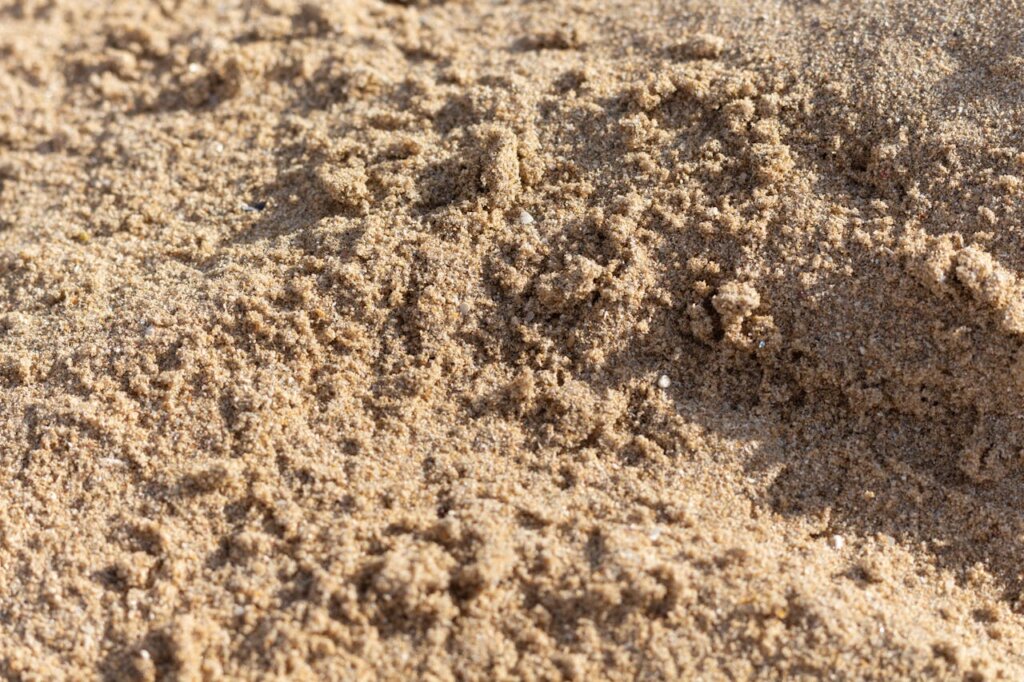
Bedding sand serves as a crucial layer between the ground and the surface material. Without it, pavers or pipes may sit unevenly, leading to structural issues over time.
One of its primary functions is to distribute weight evenly. When pressure is applied, the sand adjusts slightly to fill gaps and maintain stability. This reduces stress points and helps prevent cracking or shifting.
It also improves drainage by allowing water to pass through while maintaining structural support. This is particularly important in areas exposed to heavy rain or changing weather conditions.
Common Uses of Bedding Sand
Bedding sand is used in a wide range of construction and landscaping applications. Its versatility makes it an essential material for both small residential projects and large-scale developments.
In paver installations, bedding sand creates a smooth layer that allows each paver to be placed accurately. It also helps lock the pavers in position once compacted.
In utility and pipeline projects, bedding sand provides a protective cushion for pipes. It reduces the risk of damage by minimizing direct contact with hard or uneven surfaces.
For landscaping, bedding sand is often used beneath decorative features or as part of a layered system that includes materials like crushed limestone sand or granite sand to enhance stability and drainage.
How Bedding Sand Differs from Other Types of Sand
Not all sand is suitable for bedding purposes. The key difference lies in particle size, consistency, and compaction ability.
For example, coarse sand may not provide the smooth surface needed for precise installations, while overly fine sand can retain too much moisture and reduce stability. Bedding sand strikes a balance between these extremes, offering both workability and strength.
Compared to materials like concrete sand or brick sand, bedding sand is specifically designed for leveling and support rather than binding or finishing applications.
Understanding these differences ensures that the right material is used for the right purpose, which ultimately improves project outcomes.
How Bedding Sand Is Installed
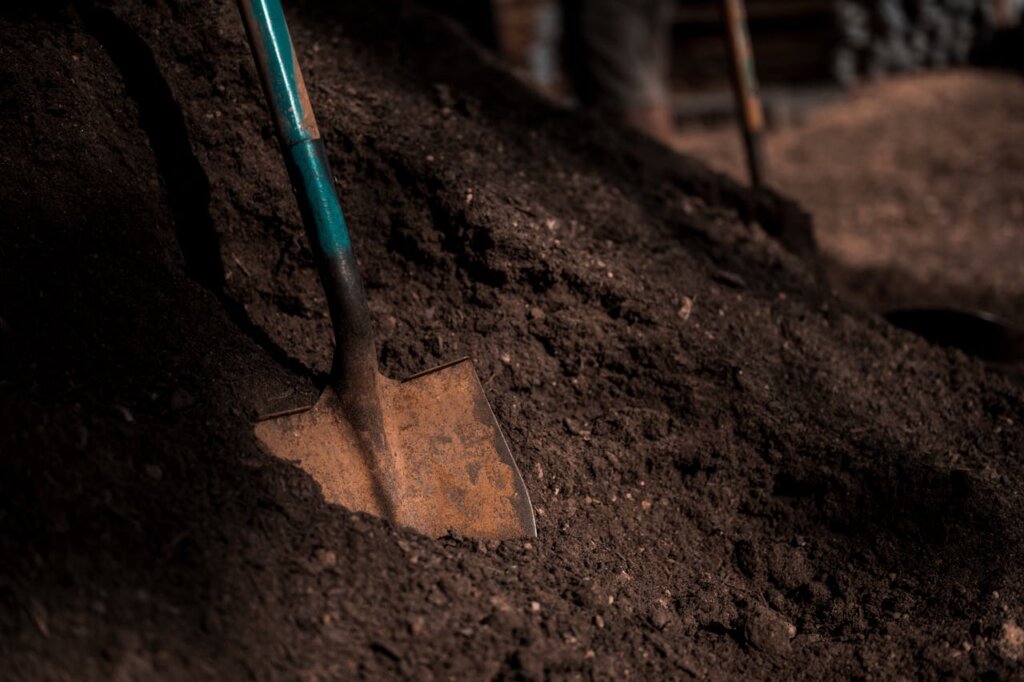
Proper installation of bedding sand is essential for achieving the desired results. The process typically begins with preparing the base layer, which may include compacted soil or aggregate materials such as road base or crushed stone.
Once the base is ready, a layer of bedding sand is spread evenly across the surface. The sand is then leveled and lightly compacted to create a smooth and consistent layer.
The thickness of this layer depends on the application, but it is usually kept uniform to ensure even support. After leveling, the surface material—such as pavers or pipes—is placed directly on top.
The flexibility of bedding sand allows for minor adjustments during installation, making it easier to achieve precise alignment.
The Role of Quality in Bedding Sand Performance
The performance of bedding sand depends heavily on its quality and consistency. Poor-quality sand with mixed particle sizes or contaminants can lead to uneven compaction and reduced stability.
High-quality bedding sand ensures better drainage, easier installation, and long-term durability. It also reduces the likelihood of future maintenance issues, such as shifting or settling.
Working with a trusted supplier like Select Sand & Gravel ensures that the sand meets industry standards and performs as expected. Whether you are sourcing bedding sand or exploring other options within sand products, choosing reliable materials is essential for successful construction and landscaping projects.
Final Thoughts
Understanding what is bedding sand is essential for anyone involved in construction, landscaping, or outdoor projects. It is more than just a layer of sand—it is a critical component that supports stability, alignment, and long-term performance.
From paver installations to pipeline protection, bedding sand plays a key role in ensuring that structures remain secure and functional over time. When combined with proper installation techniques and high-quality materials, it provides a reliable foundation for a wide range of applications.
Choosing the right bedding sand and sourcing it from a dependable supplier can make a significant difference in the success of your project.

