Your Complete Topsoil Buying Guide in Texas
When you want to add one or more layers of topsoil, the type you’ll use will depend on your project. To find the ideal topsoil, take a deeper look at your options in the guide below.
An Overview of the Best Types of Topsoil for Texas Properties
Before getting into a detailed topsoil buying guide in Texas, it can help to learn about the available options, including:
- •Select Fill Dirt: Creates a solid, level base for constructed structures
- •Common Fill Dirt: Offers stable soil conditions for foundations and walls
- •Screened Topsoil: Ideal for landscaping projects and promotes plant growth
- •Topsoil: A general fill product found in every topsoil buying guide in Texas
- •Screened Sandy Loam: Provides the essential nutrients and good drainage for gardening projects
- •Soil Mix (60% Compost/40% Sand): Another option when proper drainage and nutrient-rich soil are necessary
- •Screened Ball Clay: Useful as an additive to alter water retention or drainage
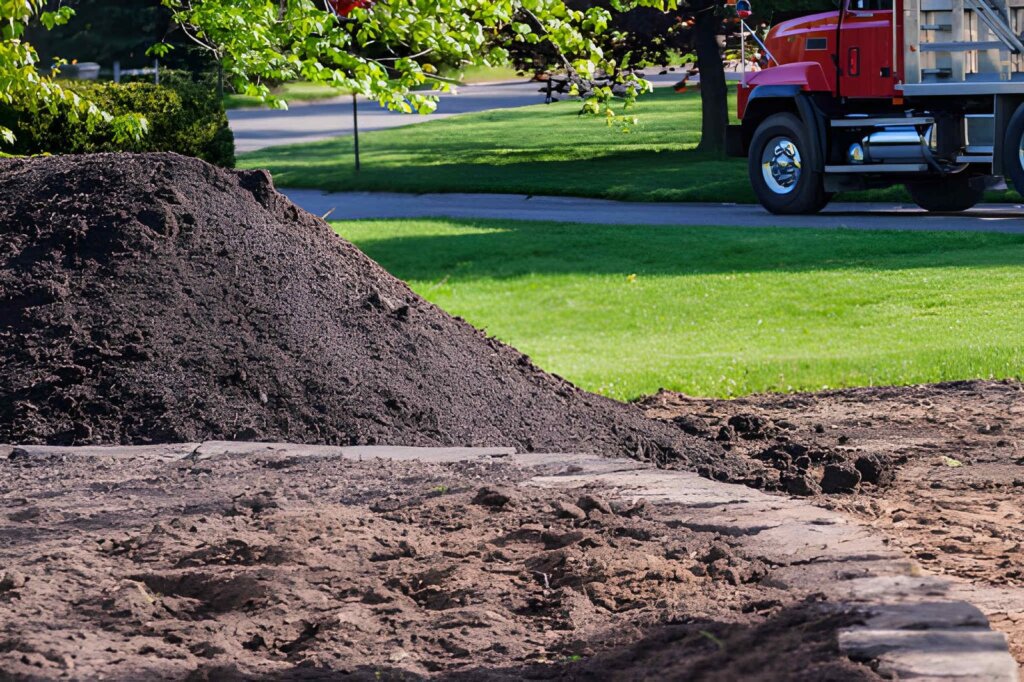
Select Fill Dirt
Use this type of soil when you need several cubic yards of topsoil that’s free from debris. This soil doesn’t have roots, branches, or rocks.
Commercial Uses
It’s ideal as a solid base for building residential and commercial buildings. It’s also useful as a base for roads and walkways.
Residential Uses
Homeowners use select fill dirt for retaining walls in the unique climate of Austin. It works well when raising the ground level or creating slopes.
Common Fill Dirt
Here is the best soil option for compaction and erosion resistance on this topsoil buying guide in Texas. It retains its volume on slopes when excess water is a problem.
Commercial Uses
Construction contractors use this soil when they need a solid base free from extra organic materials. It works well around retaining walls and swimming pools.
Residential Uses
Homeowners can use common fill dirt as grading to protect their foundations or to fill uneven terrain and holes.
Screened Topsoil
This is an option with finer consistency and essential nutrients. It’s good for growing plants, grass, and other foliage since it has beneficial organic matter.
Commercial Uses
Landscaping companies use screened topsoil to lay garden beds or prevent erosion. Due to its nutrient-rich consistency, it’s a high-quality topsoil that promotes lawn growth.
Residential Uses
Homeowners use this soil for its nutrient-rich value. Adding a layer of screened topsoil will restore the essential nutrients that grass and foliage require for sustainability.
Topsoil
Regular topsoil is nutrient-rich and has good consistency. It offers adequate drainage for the Gulf Coast region.
Commercial Uses
Topsoil works well to support building foundations where other soil blends won’t provide sufficient drainage. It’s also a cost-friendly option when a farm covers large areas and requires mulching.
Residential Uses
Regular topsoil can serve as a single option that suits a variety of purposes. It’s the best topsoil recommendation for creating or improving flower beds.
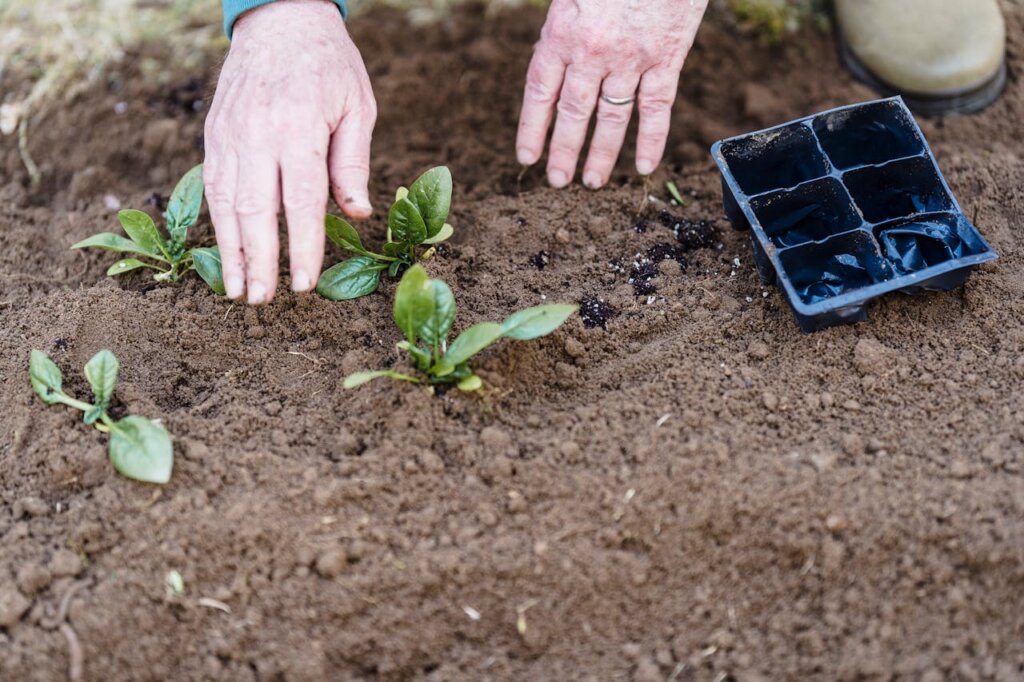
Screened Sandy Loam
There are plenty of beneficial traits that make screened sandy loam an additive or the primary soil. Some of the reasons it’s good for almost any plant species are that it has optimal pH levels, aeration, and drainage.
Commercial Uses
In addition to promoting flower growth, farmers find that vegetables, fruits, and herbs all grow abundantly in this soil. It’s useful for landscaping projects.
Residential Uses
Aside from growing healthy plants, homeowners use screened sandy loam to repair a patchy lawn. Grass grows well in this topsoil.
Soil Mix (60% Compost/40% Sand)
Soil mix is an option that will boost drainage. It offers a high nutrient content that helps grass and landscaping grow. Since it’s a loose soil, it ensures strong root growth.
Commercial Uses
This soil is mostly used on residential properties. Commercial landscapers use it for rooftop gardens, new lawns, or planting foliage around commercial buildings.
Residential Uses
San Antonio homeowners use soil mix to fill low spots and create landscape beds. It will add nutrients to depleted soil and boost the drainage.
Screened Ball Clay
This product comes in the form of lightweight clay aggregate balls. This makes it a good topsoil when drainage is your primary concern. The texture of the topsoil also makes it ideal for aeration and healthy root growth.
Commercial Uses
Screened ball clay is often used in hydroponics and aquaponics because it retains moisture without becoming saturated. It also has neutral pH levels, which helps it stabilize soil acidity.
Residential Uses
Homeowners might choose screened ball clay to extend the longevity of the pesticides they use. It also has a pleasing appearance, making it a good decorative choice.

