Road Base Types: Class 2, Class 3, Class 6 and What They Mean
If you’ve ever ordered base material for a construction or landscaping project, you’ve probably come across terms like Class 2 road base, Class 3, or Class 6. These classifications can be confusing, especially because they vary by region and specification standards.
So what do these “classes” actually mean?
In simple terms, road base classes refer to grading, composition, and intended use of the material. Each class is engineered for different levels of strength, drainage, and compaction, making them suitable for specific types of projects.
Understanding road base types like Class 2, Class 3, and Class 6 helps ensure you choose the right material for durability and performance.
What Do Road Base “Classes” Mean?
Road base classifications are typically defined by local or state transportation agencies. While the exact specifications can vary, the concept remains consistent.
Each class defines:
- The size and distribution of aggregate particles
- The ratio of coarse material to fine particles (fines)
- The compaction characteristics
- The intended structural use
For example, some classes are designed for heavy-load roads, while others are better suited for drainage or lighter applications.
Materials like road base flex base are often used as a general-purpose base, but understanding the class helps fine-tune your selection.
Class 2 Road Base
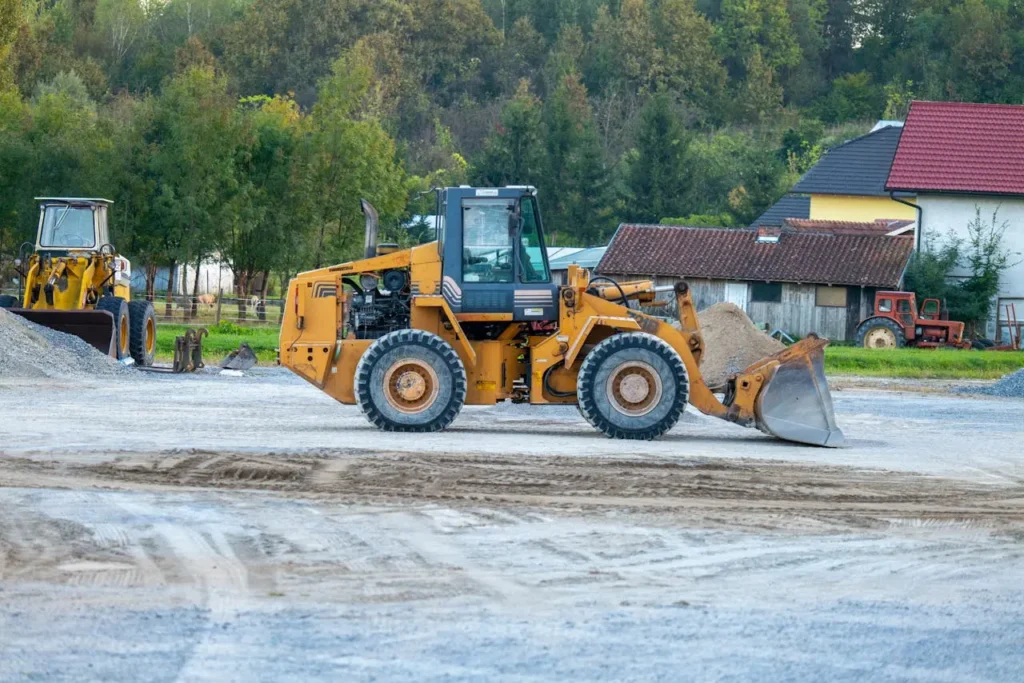
Class 2 road base is one of the most commonly used materials in construction.
It is a well-graded aggregate mix containing a balanced combination of crushed stone and fines. This allows it to compact tightly and create a strong, stable surface.
Class 2 is typically used for:
- Driveways
- Parking areas
- Base layers under asphalt or concrete
- General construction projects
Because it compacts well and provides solid load-bearing capacity, it is often considered a standard all-purpose base material.
Class 3 Road Base
Class 3 road base is similar to Class 2 but generally contains fewer fines and slightly larger aggregate particles.
This gives it better drainage properties but slightly less compaction strength compared to Class 2.
Class 3 is often used for:
- Sub-base layers
- Projects requiring improved drainage
- Areas where water movement is a concern
Because it allows more water to pass through, it can help reduce moisture buildup beneath surfaces.
Class 6 Road Base
Class 6 road base is typically a heavier-duty material with larger aggregate and a wider range of particle sizes.
It is designed for high-load applications where strength and durability are critical.
Class 6 is commonly used for:
- Roads and highways
- Industrial yards
- Heavy equipment areas
- Structural base layers
Its composition allows it to handle significant weight and stress, making it ideal for demanding environments.
In some cases, materials like crushed limestone or other aggregates are used to produce Class 6 base.
Key Differences Between Class 2, 3, and 6
The main differences come down to strength, drainage, and particle composition.
Class 2 provides excellent compaction and is widely used for general applications.
Class 3 offers better drainage with slightly reduced density.
Class 6 delivers maximum strength for heavy-duty construction.
Choosing the right class depends on how much load the surface will carry and how important drainage is for your project.
Do These Classes Vary by Location?
Yes—and this is important.
The exact definition of Class 2, Class 3, and Class 6 can vary depending on the state, supplier, or local Department of Transportation (DOT) standards.
For example, what is classified as Class 2 in one region may have slightly different specifications elsewhere.
That’s why it’s always a good idea to confirm material details with your supplier.
Working with experienced providers like Select Sand & Gravel ensures that the material meets local standards and project requirements.
How to Choose the Right Road Base Type
Selecting the right road base comes down to a few key considerations:
- Load requirements: Heavier loads require stronger base (Class 6)
- Drainage needs: Areas with water issues may benefit from Class 3
- General use: Class 2 works well for most residential and light commercial projects
Understanding your project conditions helps you choose the most effective and cost-efficient material.
Final Thoughts
Understanding road base types like Class 2, Class 3, and Class 6 is essential for selecting the right material for your construction or landscaping project.
Each class is designed for specific conditions, from general-purpose applications to heavy-duty structural support.
By choosing the appropriate road base and sourcing it from trusted suppliers like Select Sand & Gravel, you can ensure better compaction, durability, and long-term performance for your project.

