How to Install Rip Rap on a Slope for Effective Erosion Control
Installing rip rap on a slope is one of the most effective ways to control erosion and protect soil from water runoff. Sloped areas are especially vulnerable during heavy rain because water naturally flows downhill, gradually washing away soil and weakening the ground.
If you are wondering how to install rip rap on a slope, proper preparation is essential. Simply dumping rocks on a hillside rarely works long term. A successful rip rap installation requires grading, base preparation, proper rock sizing, and correct placement techniques.
When installed correctly, rip rap creates a durable protective barrier that stabilizes slopes, improves drainage, and reduces maintenance over time.
What Is Rip Rap and Why Is It Used on Slopes?
Rip rap consists of large, angular stones designed to resist movement and slow down water flow. Unlike smooth decorative rocks, rip rap stones lock together and create a stable surface that protects soil from erosion.
Materials such as riprap are commonly used on slopes, drainage channels, pond banks, creek edges, and roadway embankments.
The spaces between the rocks allow water to drain while reducing the force of runoff, helping prevent washouts and slope failure.
Evaluate the Slope Conditions
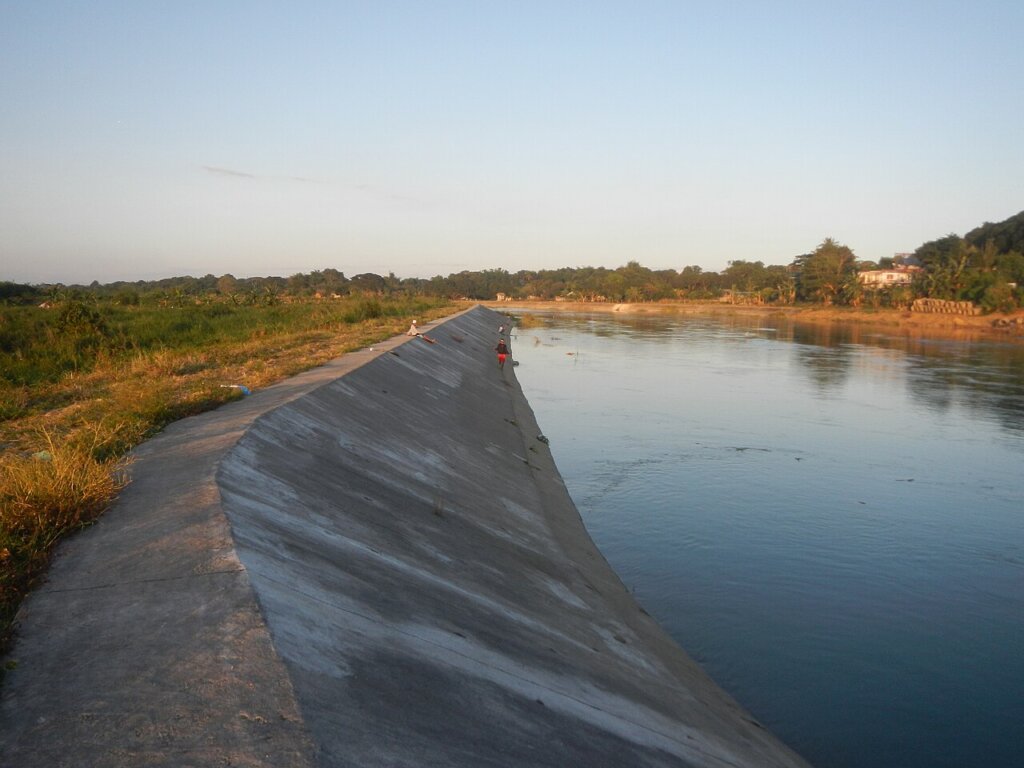
Before installation begins, it is important to assess the slope.
The steepness of the grade, type of soil, and amount of water runoff all influence the size and depth of rip rap required.
Steeper slopes or areas exposed to heavy drainage generally require larger stone for better stability.
It is also important to identify drainage patterns so water flows naturally through the protected area rather than underneath the rip rap layer.
Prepare the Slope Surface
Proper site preparation is one of the most important steps in the process.
Remove loose soil, vegetation, debris, and unstable material from the slope. The surface should then be graded and compacted to create a stable foundation.
In many projects, contractors install a compacted base using materials such as crushed limestone or road base flex base before placing the rip rap.
This helps improve long-term stability and reduces settling.
Install Filter Fabric
Filter fabric, also called geotextile fabric, is commonly installed beneath rip rap.
This fabric allows water to pass through while preventing soil from washing out between the rocks.
Without filter fabric, erosion can continue underneath the rip rap layer, eventually causing the stones to shift or sink.
The fabric should cover the entire slope area and overlap at seams to maintain full protection.
Place the Rip Rap Stone
Once the slope is prepared, the rip rap stone can be installed.
The rocks should be placed evenly across the slope rather than dumped randomly in piles. Proper placement creates better interlocking and improves stability.
Here are a few important installation practices:
- Start installation at the bottom of the slope and work upward
- Use larger stones near drainage outlets or high-flow areas
- Avoid leaving large gaps between rocks
- Ensure the rip rap layer has consistent depth across the slope
- Embed some of the lower stones slightly into the ground for added stability
Using the correct stone size is critical because undersized rock may shift during heavy rain.
Compact and Stabilize the Area
Unlike crushed stone pathways, rip rap is not compacted into a tightly packed surface. However, the stones should still settle securely into position.
Heavy equipment may be used carefully to adjust and stabilize the rock placement.
After installation, inspect the slope for loose areas, exposed fabric, or uneven coverage.
Additional stone may be needed in spots where water flow is strongest.
Why Proper Drainage Matters
Rip rap works best when combined with proper drainage design.
If water becomes trapped behind or underneath the rock layer, pressure can build and weaken the slope over time.
Drainage systems, culverts, or grading adjustments may be necessary in larger projects to direct water safely through the area.
In some landscapes, additional landscape rock or drainage materials may also be used around the rip rap installation for improved water management and appearance.
Why Proper Drainage Matters
Several common mistakes can reduce the effectiveness of rip rap on slopes.
Using rocks that are too small is one of the biggest problems because they can easily wash away during storms.
Skipping filter fabric is another issue that often leads to hidden erosion underneath the stone layer.
Poor grading or uneven placement can also create weak points where water concentrates and damages the slope.
Proper preparation and material selection are essential for long-term performance.
Final Thoughts
Learning how to install rip rap on a slope correctly helps prevent erosion, stabilize soil, and protect landscapes from water damage.
With proper grading, filter fabric, and correctly sized stone, rip rap can provide decades of reliable slope protection with minimal maintenance.
Using quality materials from trusted suppliers like Select Sand & Gravel ensures stronger performance and better long-term results for both residential and commercial projects.

