Is Road Base Good for Driveways? Pros, Cons, and Best Practices
If you’re planning a new driveway or upgrading an existing one, a common question is: is road base good for driveways? The answer is yes—road base is not only good, it’s often essential for building a strong, long-lasting driveway.
However, there’s an important distinction to understand. Road base is excellent as a foundation layer, and in some cases it can also serve as a finished surface, depending on your expectations and budget.
This guide explains when and how road base works best for driveways, along with its limitations.
What Is Road Base and Why It Matters
Road base is a compactable mixture of crushed stone and fine particles designed to create a stable foundation.
Materials like road base flex base are engineered to compact tightly, forming a solid layer that distributes weight evenly across the ground.
For driveways, this is critical. Without a proper base, surfaces like asphalt, concrete, or gravel can crack, shift, or sink over time.
Can Road Base Be Used as a Driveway Surface?
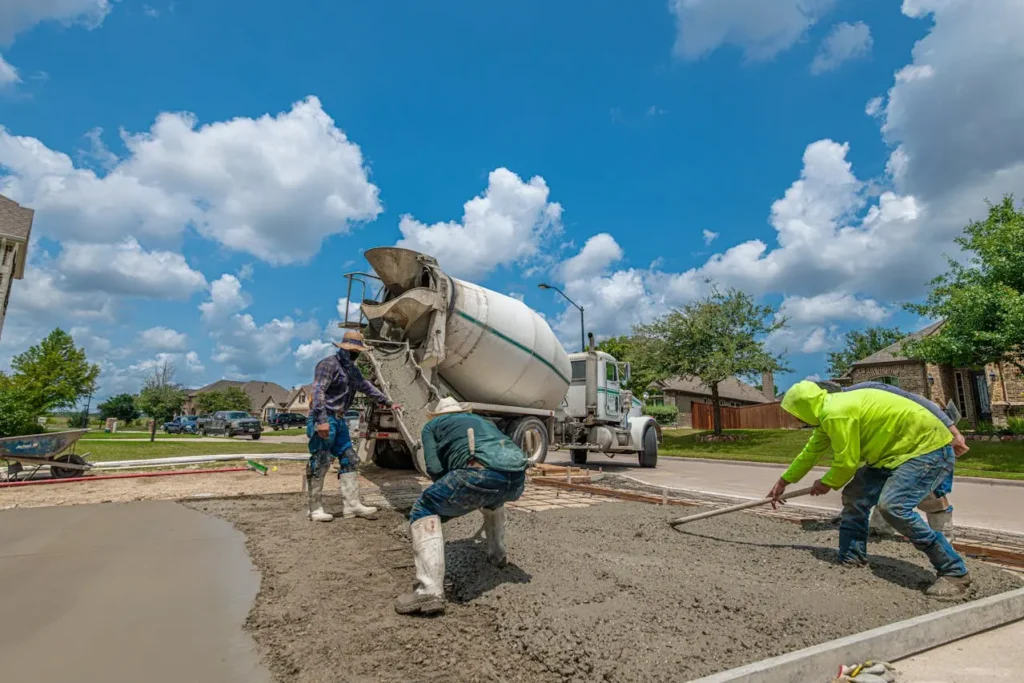
Yes, road base can be used as a standalone driveway surface, especially in rural or budget-conscious projects.
When compacted properly, it creates a firm and durable surface that can handle regular vehicle traffic.
Many homeowners use road base as a finished driveway because:
- It is more affordable than concrete or asphalt
- It compacts into a relatively smooth surface
- It provides good load-bearing capacity
However, it does not have the same polished appearance as paved surfaces and may require occasional maintenance.
Benefits of Using Road Base for Driveways
One of the biggest advantages of road base is its strength.
It forms a dense, interlocked structure that resists movement under vehicle weight. This helps prevent ruts, potholes, and uneven settling.
Road base also provides good drainage. Water can move through the material instead of pooling on the surface, reducing erosion and damage.
Another benefit is cost-effectiveness. Compared to asphalt or concrete, road base is significantly more affordable while still offering reliable performance.
Limitations You Should Know
While road base is highly functional, it is not perfect for every situation.
Because it is not sealed, the surface can produce dust in dry conditions and may become muddy during heavy rain if not compacted or maintained properly.
Over time, the top layer may loosen slightly, especially in high-traffic areas. Periodic regrading or additional material may be needed to maintain a smooth surface.
For homeowners looking for a clean, finished appearance, road base is often used as a foundation layer with a top surface such as gravel, pavers, or asphalt.
Best Way to Use Road Base for Driveways
The most effective approach is to use road base as a base layer, then add a top material.
For example:
- A base of compacted road base
- A surface layer of gravel or decorative stone
- Or a paved surface like asphalt or concrete
In some cases, materials like crushed limestone are added as a top layer to improve appearance and reduce dust.
This layered approach combines strength with aesthetics and long-term durability.
Installation Tips for Better Performance
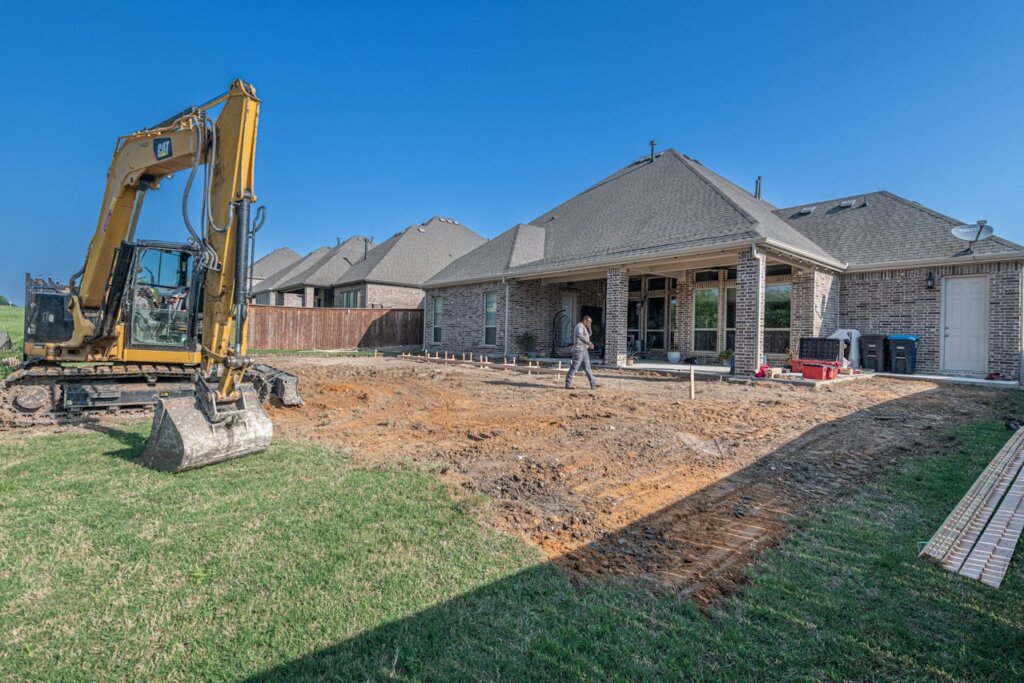
To get the best results from road base, proper installation is key.
The area should be excavated and graded before adding the material. Road base should then be spread in layers and compacted thoroughly.
Adequate thickness is also important. Most driveways require at least 4 to 6 inches of compacted base, though heavier traffic may require more.
Good drainage design, such as a slight slope, helps prevent water buildup and extends the life of the driveway.
When Road Base Is the Right Choice
Road base is an excellent option if you want a durable and cost-effective driveway solution.
It works especially well for:
- Rural properties
- Long driveways where paving is expensive
- Temporary or budget-friendly installations
- Base layers under paved surfaces
However, if appearance and low maintenance are top priorities, adding a finished surface layer is usually the better choice.
How to Choose the Right Road Base Type
Selecting the right road base comes down to a few key considerations:
- Load requirements: Heavier loads require stronger base (Class 6)
- Drainage needs: Areas with water issues may benefit from Class 3
- General use: Class 2 works well for most residential and light commercial projects
Understanding your project conditions helps you choose the most effective and cost-efficient material.
Final Thoughts
So, is road base good for driveways? Absolutely—especially as a foundation layer. It provides the strength, stability, and drainage needed for a long-lasting driveway.
It can also work as a standalone surface in certain situations, though it may require occasional maintenance.
By using quality materials from trusted suppliers like Select Sand & Gravel and installing them correctly, you can create a driveway that performs well and stands the test of time.

