What Is Road Base Material? Types, Uses, and Why It Matters
Road base material is one of the most important components in construction and paving projects. Although it is not visible once a project is complete, it plays a critical role in supporting roads, driveways, foundations, and other surfaces.
If you are wondering what road base material is, it refers to a compacted layer of aggregate placed beneath a surface layer such as asphalt, concrete, or pavers. This layer provides structural support, distributes loads, and helps prevent settling, cracking, and shifting over time.
Without a properly installed road base, even the best surface materials can fail prematurely.
What Is Road Base Material Made Of?
Road base material is typically made from a mixture of crushed stone, gravel, and fine particles.
The combination of different particle sizes allows the material to compact tightly, creating a strong and stable foundation. The smaller particles fill the gaps between larger stones, helping bind the material together when compacted.
Common materials used include limestone, granite, recycled concrete, and other aggregates. Products such as road base flex base are specifically engineered to provide optimal compaction and long-term durability.
Why Road Base Material Is Important
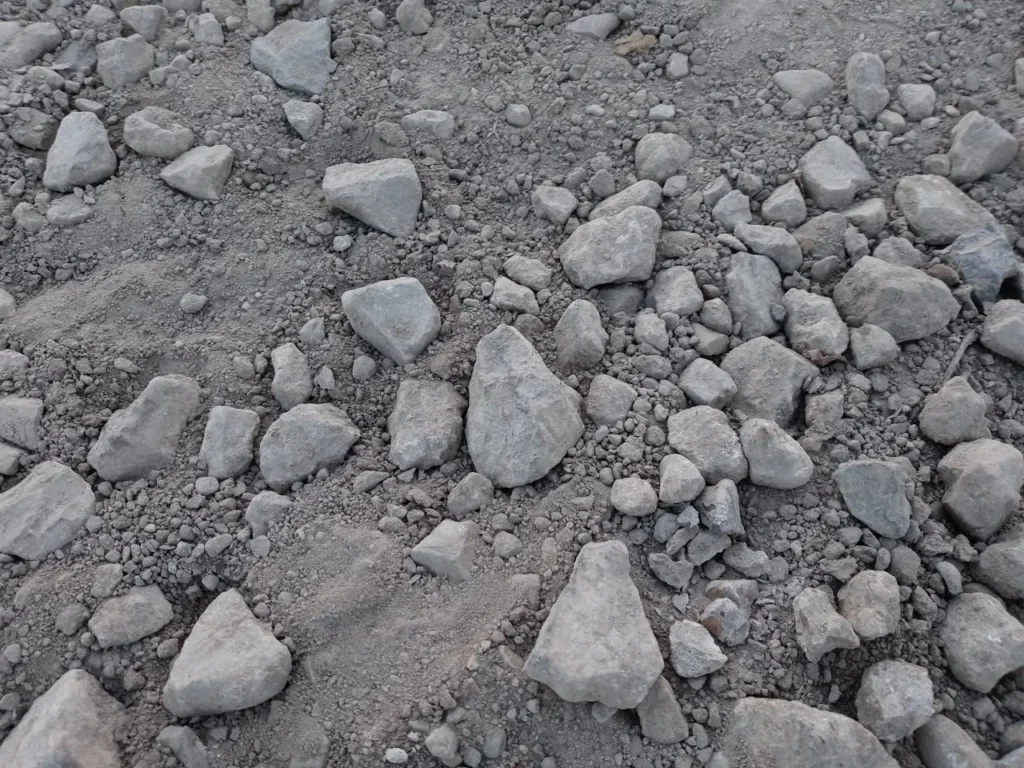
Road base material serves as the foundation for many types of construction projects.
Its primary role is to distribute weight evenly across the ground. This prevents heavy loads from causing the surface above to crack or sink.
It also improves drainage by allowing water to move through the base layer instead of accumulating beneath the surface. This reduces the risk of erosion and structural damage.
In addition, road base helps create a level surface for paving, which improves both appearance and performance.
Common Uses of Road Base Material
Road base material is used in a wide range of construction and landscaping applications.
It is most commonly used beneath roads, driveways, and parking areas to provide a stable foundation for asphalt or concrete.
In landscaping, it is often used as a base layer for patios, walkways, and paver installations. It can also be used for pathways, shed foundations, and other outdoor structures.
For projects that require additional surface material, products like crushed limestone or other aggregates may be used alongside road base for improved performance.
Types of Road Base Material
There are several types of road base material, each designed for different applications.
Flexible base, often called flex base, is one of the most commonly used types. It contains a mix of crushed stone and fines that compact tightly and adapt to slight ground movement.
Crushed concrete base is another option, made from recycled concrete materials. It provides good compaction and is often used as a cost-effective alternative.
Gravel base is sometimes used in lighter-duty applications, although it may not compact as tightly as engineered base materials.
Choosing the right type depends on the project requirements, load conditions, and environmental factors.
How Road Base Material Works
Road base works by creating a stable layer that spreads out the weight placed on top of it.
When properly compacted, the material forms a dense, interlocked structure. This reduces pressure on the underlying soil and helps prevent movement.
The base layer also absorbs some of the stress from traffic or environmental conditions, protecting the surface layer above.
Proper installation, including grading and compaction, is essential for achieving these benefits.
Road Base vs Surface Material
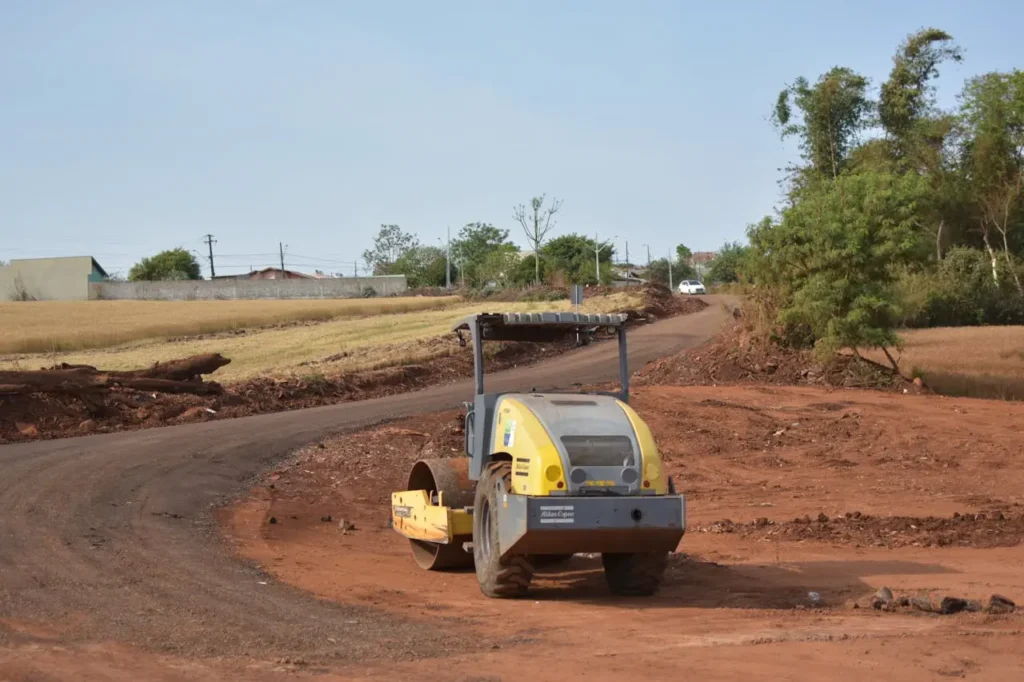
It is important to understand the difference between road base and surface materials.
Road base is the structural foundation, while surface materials such as asphalt, concrete, or decorative stone provide the visible finish.
Without a strong base, surface materials are more likely to crack, shift, or fail over time.
This is why road base is considered one of the most critical elements in construction projects.
Why Quality Matters
The quality of road base material directly affects the durability of the entire project.
Poor-quality or improperly graded material may not compact correctly, leading to weak spots and uneven surfaces.
Working with reliable suppliers like Select Sand & Gravel ensures that the material meets the necessary standards for strength and performance.
High-quality base material reduces maintenance costs and extends the lifespan of the project.
Final Thoughts
Understanding what road base material is helps highlight its importance in construction and landscaping projects.
It provides the foundation that supports roads, driveways, patios, and other surfaces, ensuring stability, durability, and proper drainage.
By using the right type of road base and installing it correctly, you can significantly improve the performance and lifespan of any project.

