Crushed Limestone vs. Gravel: Which Is Better for Your Project?
When planning a construction, landscaping, or driveway project, one of the most common questions is: crushed limestone vs. gravel—which is better? Both materials are widely used across residential, commercial, and infrastructure projects, but they serve different purposes and perform differently depending on the application.
The truth is that neither material is universally better. The right choice depends on factors such as drainage requirements, load-bearing needs, appearance, maintenance expectations, and budget. Understanding the strengths and limitations of each material can help you make a more informed decision and avoid costly mistakes.
What Is Crushed Limestone?
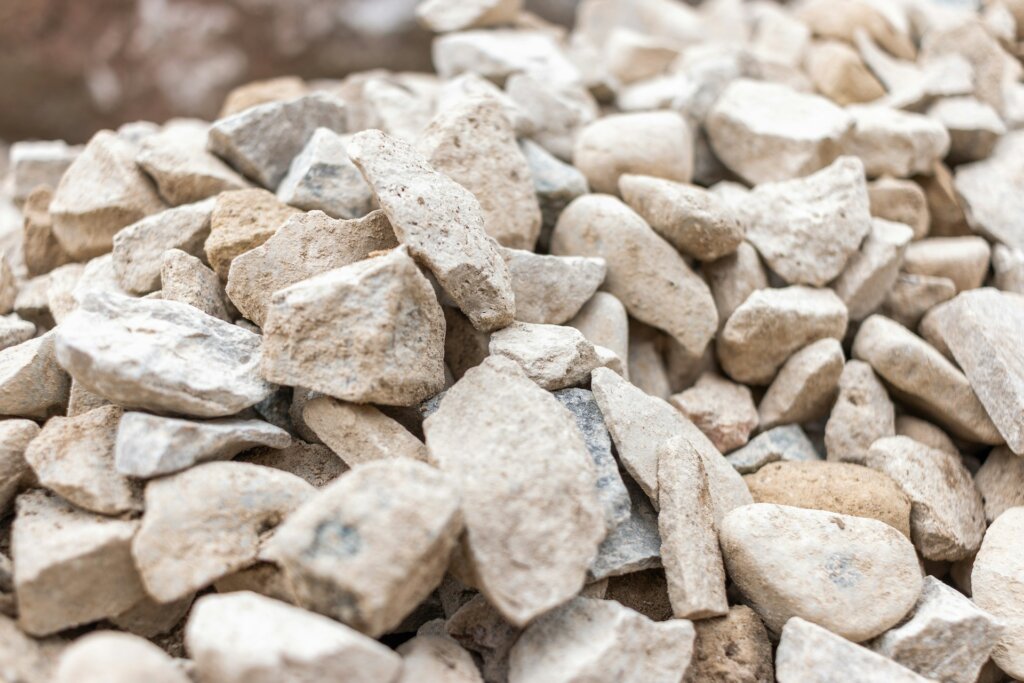
Crushed limestone is an aggregate produced by crushing limestone rock into various sizes. Depending on the application, it may contain a mixture of larger stones, small aggregate, and fine limestone particles.
Because the particles are angular, they tend to interlock when compacted. This characteristic creates a stable surface that resists shifting and settling.
Materials such as crushed limestone are commonly used in driveways, road construction, pathways, parking areas, and foundation work because of their ability to compact tightly and support heavy loads.
What Is Gravel?
Gravel is a broad term that refers to naturally occurring or processed stone fragments. Unlike crushed limestone, gravel is often rounded due to years of natural weathering and water erosion.
Gravel can include many different stone types and sizes. Products such as pea gravel are examples of decorative gravel commonly used in landscaping and garden pathways.
Because gravel particles are often smoother and rounder than crushed limestone, they do not compact as tightly. However, they generally provide excellent drainage and can create an attractive natural appearance.
The Difference in Compaction and Stability
One of the biggest differences between crushed limestone and gravel is how they behave under pressure.
Crushed limestone contains angular particles that lock together when compacted. This creates a dense and stable surface capable of supporting vehicles, equipment, and structures. As a result, crushed limestone is often preferred for driveways, road bases, and construction projects where stability is critical.
Gravel, particularly rounded gravel, tends to shift more easily because the particles roll against one another rather than interlocking. While this may not be a problem for decorative landscaping, it can be less desirable in high-traffic areas.
If your primary goal is creating a firm surface that remains stable over time, crushed limestone typically has the advantage.
Drainage Performance
Drainage is another important factor when comparing these materials.
Gravel generally provides superior drainage because the rounded particles create larger spaces between stones. Water can flow more freely through the material, making it useful in drainage systems, French drains, and areas prone to water accumulation.
Crushed limestone also drains reasonably well, but materials containing limestone fines may compact more tightly and allow less water movement.
For projects where drainage is the top priority, gravel often performs better. For projects where stability matters more, crushed limestone may be the preferred choice.
Appearance and Aesthetic Considerations
The visual appearance of a project can significantly influence material selection.
Gravel is available in a wide range of colors, sizes, and textures. Decorative gravels and river stones are commonly used in landscape designs because they provide a natural, attractive appearance.
Crushed limestone typically has a more uniform look, often ranging from light gray to off-white depending on the source. Many homeowners appreciate its clean appearance, particularly for driveways and pathways.
For decorative landscaping, gravel often offers more design flexibility. For functional surfaces, crushed limestone frequently provides a more professional and uniform finish.
Which Material Is Better for Driveways?
For most driveways, crushed limestone is often considered the better choice.
Its ability to compact tightly helps create a stable driving surface that resists rutting and displacement. Many contractors use crushed limestone as both a surface material and a component of the underlying base.
In fact, driveway installations often begin with a compacted layer of road base flex base followed by crushed limestone or another suitable surface aggregate.
Gravel driveways can also perform well, but they generally require more maintenance because the stones tend to migrate and shift over time.
Which Material Is Better for Walkways?
The answer depends on the type of walkway.
For high-traffic pathways where stability and ease of walking are important, crushed limestone often provides a firmer and more comfortable surface.
For decorative garden paths, gravel can create a beautiful natural appearance while providing excellent drainage.
Many landscape designers choose gravel for aesthetics and crushed limestone for functionality.
Cost Considerations
Pricing varies by region, availability, and material quality.
In many areas, crushed limestone and gravel are similarly priced. However, transportation costs often have a greater impact on the final price than the material itself.
Local availability frequently determines which option offers the best value.
When evaluating cost, it is important to consider not only the initial purchase price but also long-term maintenance requirements.
Long-Term Maintenance
Crushed limestone generally requires less maintenance because it compacts into a more stable surface.
Gravel may require periodic raking, redistribution, or replenishment as stones migrate due to traffic and weather.
For homeowners seeking a low-maintenance solution, crushed limestone often has an advantage.
However, properly installed gravel can still provide many years of reliable performance when maintained appropriately.
Final Note
When comparing crushed limestone vs. gravel, the best choice depends on the goals of your project.
Crushed limestone is usually the better option when stability, load-bearing capacity, and long-term durability are priorities. It excels in driveways, pathways, road construction, and foundation applications.
Gravel is often the preferred choice when drainage, decorative appearance, and landscape aesthetics are the primary concerns.
By understanding the strengths of each material and sourcing quality aggregate from trusted suppliers like Select Sand & Gravel, you can choose the solution that best matches your project’s needs, budget, and performance expectations.

