What Size Crushed Stone Do I Need for a Driveway?
Choosing the right aggregate is one of the most important decisions when building or resurfacing a driveway. While many property owners focus on the type of stone, the size of the crushed stone is just as important. The wrong size can lead to poor compaction, drainage problems, excessive movement, or a driveway that requires constant maintenance.
If you’re wondering what size crushed stone you need for a driveway, the answer depends on whether you’re building the base layer, the surface layer, or both. Most successful driveways use multiple stone sizes because each layer serves a different purpose.
Understanding how crushed stone sizes work can help you build a driveway that is stable, durable, and capable of handling years of traffic.
Why Crushed Stone Size Matters
A driveway is more than just the visible surface. It is a system of layers that work together to distribute weight, provide drainage, and prevent sinking or rutting.
Larger stones create structural support and help spread loads across the ground. Smaller stones fill voids between larger particles and help create a compact, stable surface.
Using only large stone often leaves gaps that can cause instability. Using only fine material may lead to poor drainage and surface deterioration. The most durable driveways typically combine different aggregate sizes to achieve both strength and compaction.
The Best Stone Size for a Driveway Base
The foundation of any driveway should consist of larger aggregate that provides structural support.
Many contractors begin with a compacted layer of road base flex base, which contains a blend of crushed stone and fines designed to compact tightly. This creates a stable foundation capable of supporting vehicles and resisting settlement.
For deeper driveway installations, larger crushed stone in the range of approximately 1½ to 3 inches may be used as a lower foundation layer before adding road base material above it.
The exact size depends on soil conditions, drainage requirements, and anticipated traffic loads.
The Best Stone Size for the Surface Layer
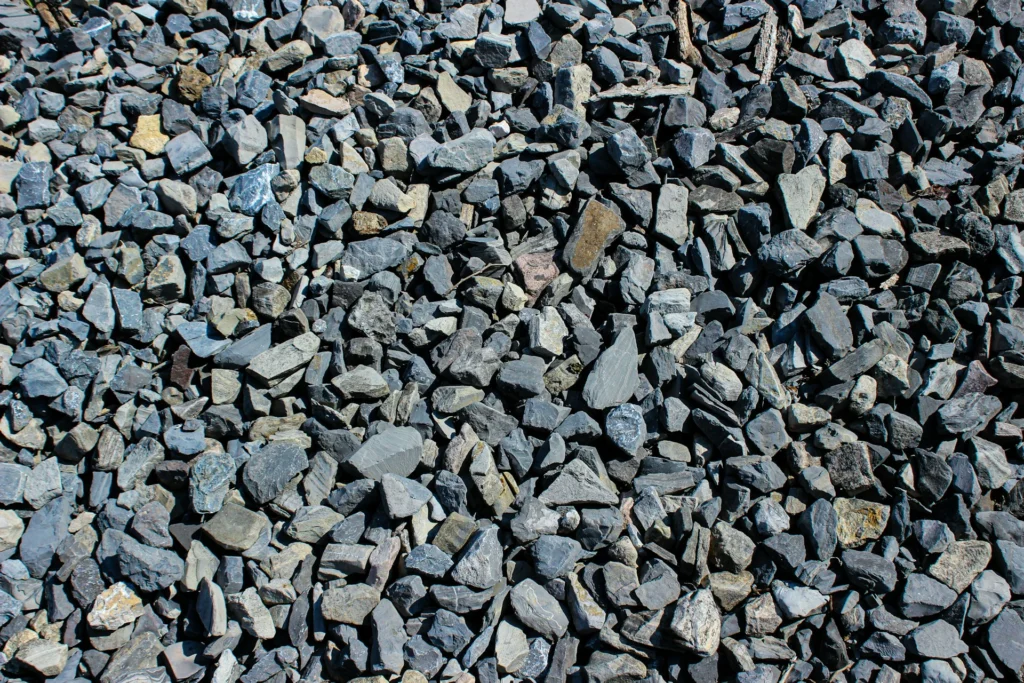
Once the base has been established, a smaller aggregate is typically used for the top layer.
For most residential driveways, crushed stone ranging from about ⅜ inch to ¾ inch provides a good balance between stability and appearance. These smaller stones create a smoother driving surface while still allowing adequate drainage.
Materials such as crushed limestone are commonly used because they compact well and create a firm surface that resists movement.
The angular shape of crushed limestone helps the particles interlock, making it more stable than rounded gravel in many driveway applications.
Should You Use One Stone Size or Multiple Sizes?
One of the most common mistakes in driveway construction is using a single aggregate size throughout the entire installation.
Professional driveway systems typically rely on multiple layers. Larger stone provides strength at the bottom, while smaller material creates a smooth, compactable surface on top.
This layered approach improves:
load-bearing capacity,
drainage,
resistance to rutting,
and long-term durability.
A properly graded aggregate blend generally performs much better than a single-size material.
Crushed Stone vs. Gravel for Driveways
When discussing driveway stone size, it is also important to consider particle shape.
Crushed stone consists of angular particles that lock together during compaction. Gravel often contains rounded stones that shift more easily under vehicle traffic.
Because of this, crushed stone is usually preferred for driveways where stability is important.
The size may be similar between the two materials, but the performance can be very different due to particle shape.
Factors That Influence Stone Size Selection
The ideal stone size can vary depending on the project.
A residential driveway that supports passenger vehicles typically requires smaller aggregate than a commercial driveway used by heavy trucks.
Soil conditions also matter. Softer soils often benefit from a thicker base layer and larger aggregate beneath the surface.
Climate can play a role as well. Areas with freeze-thaw cycles may require additional attention to drainage and base preparation to prevent movement over time.
These factors are why experienced aggregate suppliers often recommend materials based on the specific conditions of the site rather than a one-size-fits-all approach.
How Much Crushed Stone Will You Need?
The amount of stone required depends on the driveway’s length, width, and depth.
A typical residential driveway may require:
- 4 to 6 inches of compacted base material,
- plus 2 to 4 inches of surface aggregate.
Calculating the correct quantity before ordering helps reduce waste and ensures sufficient material is available for proper installation.
If you’re unsure how much aggregate your project requires, a supplier can help determine the appropriate volume based on your measurements.
Common Mistakes to Avoid
Many driveway problems can be traced back to improper material selection.
Using stone that is too large for the surface layer can create an uncomfortable driving experience and make maintenance difficult.
Using material that is too fine throughout the entire driveway can lead to drainage problems and premature deterioration.
Another common mistake is skipping the base layer altogether. Even the best surface stone cannot compensate for a weak foundation underneath.
Proper layering and compaction are just as important as selecting the correct stone size.
Summary
If you’re asking what size crushed stone you need for a driveway, the best answer is usually a combination of sizes rather than a single aggregate.
Larger stone and compacted road base flex base provide the structural support, while smaller materials such as crushed limestone create a smooth and durable surface.
By selecting the right aggregate sizes and installing them correctly, you can build a driveway that offers excellent drainage, long-term stability, and years of reliable performance. Working with experienced suppliers like Select Sand & Gravel can help ensure you choose the best materials for your specific project and site conditions.

