How Long Does Rip Rap Last? Lifespan, Durability, and What Affects It
Rip rap is widely used in construction and landscaping because of its strength, stability, and ability to control erosion. But one of the most common questions from homeowners, engineers, and contractors is: how long does rip rap last?
The short answer is that properly installed rip rap can last 30 to 100+ years, and in many cases even longer. However, its lifespan depends heavily on installation quality, stone type, water conditions, and maintenance.
Unlike materials that degrade over time, rip rap is essentially a natural rock system. That means its durability comes from geology rather than manufacturing, making it one of the longest-lasting erosion control solutions available.
Typical Lifespan of Rip Rap
When installed correctly, rip rap is considered a long-term or even permanent erosion control solution.
In most standard conditions, rip rap can last several decades without needing replacement. In low-flow or stable environments, it may remain effective for over a century.
However, in high-energy environments such as riverbanks, coastal zones, or heavy drainage channels, the lifespan may be reduced due to constant water movement and impact forces.
Even in those cases, rip rap typically outperforms many alternative erosion control methods like vegetation-only systems or lightweight barriers.
What Affects How Long Rip Rap Lasts?
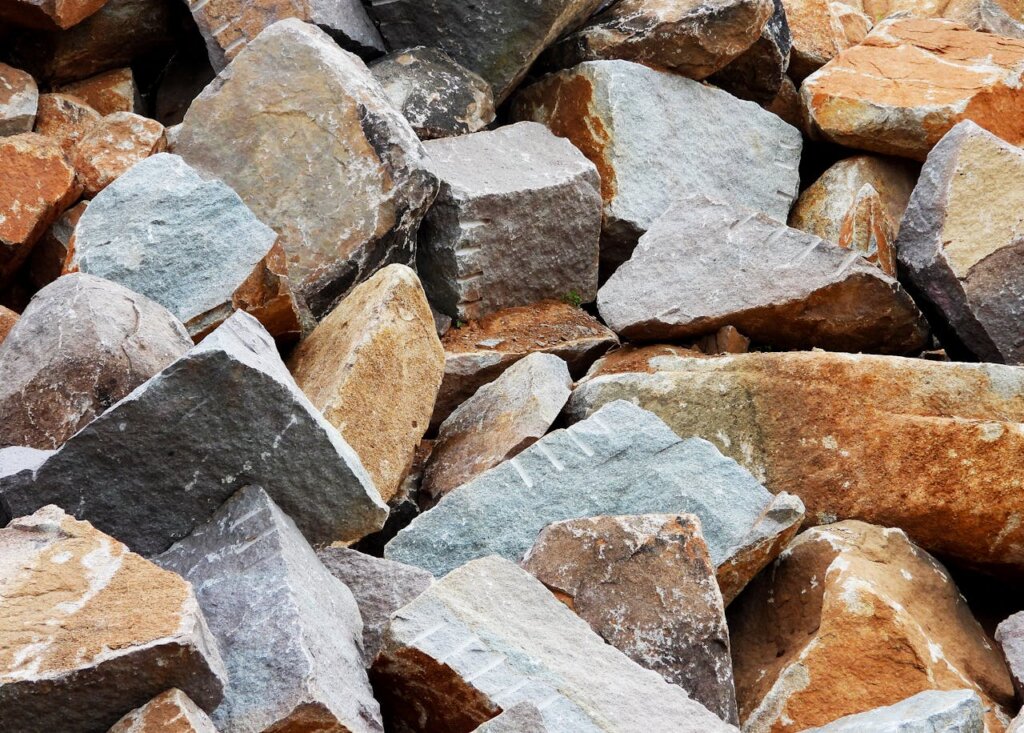
Several factors influence the durability and performance of rip rap installations.
1. Stone Quality and Type
The type of rock used plays a major role in longevity. Hard, dense stones such as granite and limestone tend to last longer because they resist weathering and breakage.
High-quality materials from riprap suppliers are specifically chosen for strength and durability.
2. Installation Method
Even the best stone will fail early if it is not installed correctly.
Proper grading, slope preparation, and base stabilization ensure the rip rap remains in place. In many projects, a base layer such as crushed limestone or compacted aggregate is used to improve stability.
3. Water Flow and Erosion Pressure
The intensity of water flow is one of the biggest factors affecting lifespan.
Rip rap installed along slow-moving drainage areas may last much longer than rip rap exposed to strong river currents or storm runoff.
The more force applied to the system, the more wear and displacement over time.
4. Filter Fabric and Base Protection
Underlayment materials like geotextile fabric help prevent soil loss beneath the stones.
Without this layer, erosion can occur underneath the rip rap, eventually causing settling and instability that reduces overall lifespan.
5. Maintenance and Inspection
While rip rap is low-maintenance, periodic inspections help extend its life.
After storms or heavy rainfall, minor adjustments or repositioning of stones may be needed in high-impact areas.
How Long Does Rip Rap Last Lifespan, Durability, and What Affects It
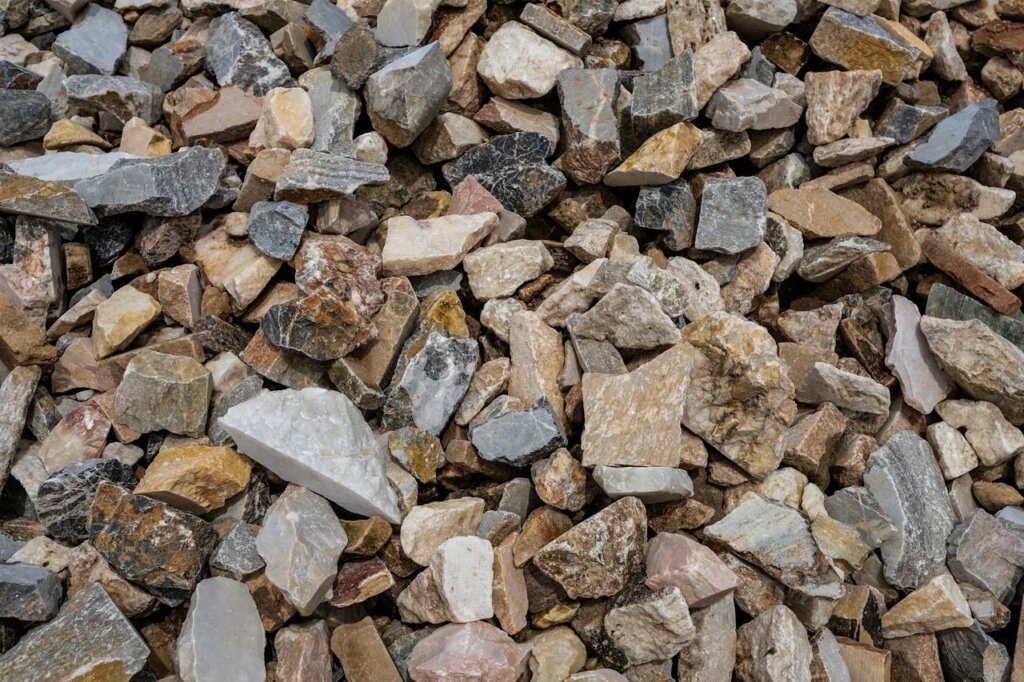
Rip rap has a long lifespan because it is made from natural stone, which is highly resistant to environmental breakdown.
Unlike manufactured materials, stone does not rot, rust, or degrade quickly. Instead, it slowly weathers over very long periods of time.
Another reason for its durability is its design. Rip rap works by absorbing and dispersing energy rather than resisting it rigidly. This reduces stress on the structure itself.
Because water flows through and around the rocks rather than against a solid surface, there is less structural damage over time.
Rip Rap vs Other Erosion Control Methods
Compared to other erosion control solutions, rip rap is one of the most durable options available.
Vegetation-based systems may fail during heavy storms before roots fully stabilize the soil. Concrete structures can crack due to ground movement or freeze-thaw cycles.
Rip rap offers a balance of flexibility and strength. It can adjust slightly to ground movement while still protecting the soil beneath.
In many cases, it is considered a long-term or permanent solution, especially when properly installed.
When Rip Rap May Need Maintenance or Replacement
Although rip rap is extremely durable, certain conditions may require occasional maintenance:
- Severe flooding or storm events
- Undersized stone used in high-flow areas
- Soil erosion beneath the rock layer
- Poor installation or lack of base support
In these cases, additional stone may need to be added or repositioned to restore stability.
However, full replacement is rare when the system is designed and installed correctly.
How to Extend the Life of Rip Rap
A few best practices can significantly improve lifespan:
- Use correctly sized stone for the water conditions
- Install proper base materials such as road base flex base
- Add filter fabric to prevent soil washout
- Ensure proper slope grading before installation
- Inspect after major weather events
These steps help ensure the system remains stable and effective for decades.
Final Thoughts
So, how long does rip rap last? In most cases, the answer is decades—often 30 to 100 years or more depending on conditions and installation quality.
Because it is made from natural stone and designed for energy dispersion, rip rap is one of the most durable and cost-effective erosion control solutions available.
With proper installation and quality materials from trusted suppliers like Select Sand & Gravel, rip rap can provide long-lasting protection for slopes, waterways, and drainage systems with minimal maintenance.

