How Thick Should Bedding Sand Be Under Pavers? A Complete Installation Guide
When installing pavers for patios, walkways, or driveways, one of the most important factors to consider is the base preparation—especially the thickness of the sand layer. Many installation issues such as uneven surfaces, shifting pavers, or poor drainage can often be traced back to improper sand depth.
Understanding how thick bedding sand should be under pavers is essential for achieving a stable, level, and long-lasting surface. While it may seem like a minor detail, the correct thickness plays a critical role in both the appearance and durability of your project.
What Is Bedding Sand and Why It Matters
Bedding sand is a finely graded material used as a leveling layer between the compacted base and the pavers. Its primary purpose is to create a smooth, adjustable surface that allows pavers to be placed evenly and securely.
Unlike structural base materials such as road base flex base or crushed limestone, bedding sand is not meant to provide strength. Instead, it acts as a cushioning and leveling layer that helps distribute weight evenly across the surface.
Using properly graded materials like utility and bedding sand ensures better compaction, improved drainage, and easier installation.
Recommended Thickness of Bedding Sand Under Pavers
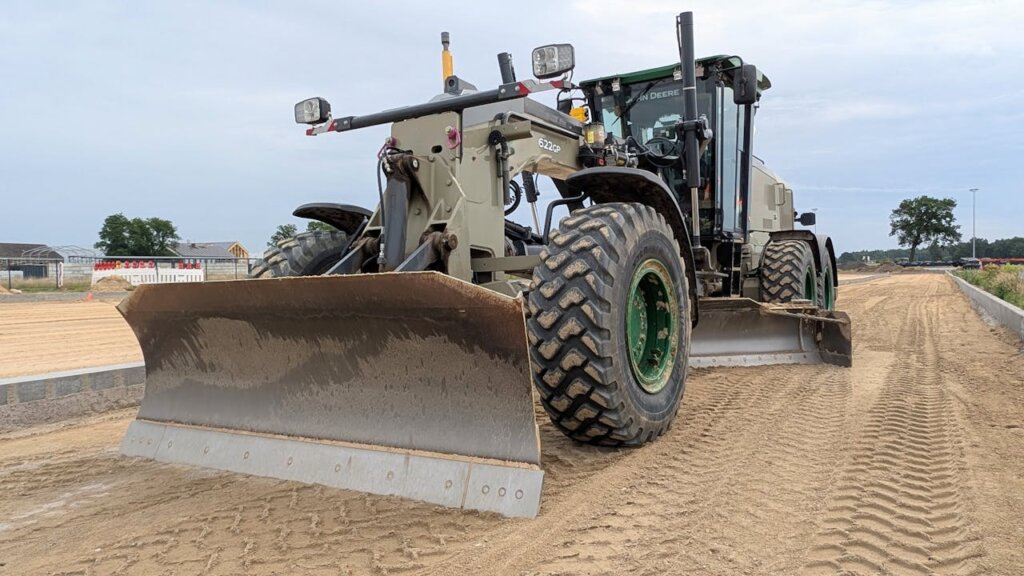
The ideal thickness of bedding sand under pavers is typically around one inch after compaction. This standard is widely recommended because it provides enough material for leveling while maintaining stability.
If the sand layer is too thin, it may not fully support the pavers, leading to uneven placement. On the other hand, if the layer is too thick, it can shift under pressure, causing the pavers to settle unevenly over time.
Maintaining this balance is key. A consistent one-inch layer allows for minor adjustments during installation while preventing excessive movement after the project is completed.
Why Proper Thickness Is Critical for Performance
The thickness of the bedding sand directly affects how well the pavers perform over time. A properly installed layer helps distribute loads evenly, reducing stress on individual pavers and minimizing the risk of cracking or shifting.
It also plays a role in drainage. A well-leveled sand layer allows water to pass through and prevents pooling on the surface. This is particularly important in areas with frequent rainfall or irrigation.
In contrast, an uneven or improperly sized sand layer can lead to dips, water accumulation, and long-term structural issues that require costly repairs.
How Bedding Sand Fits into the Full Base System
Bedding sand is only one part of a complete paver installation system. Beneath the sand layer, a strong and compacted base is required to support the entire structure.
This base is typically made from materials such as granite base or other compactable aggregates. The base provides the structural strength needed to handle weight and prevent shifting.
The bedding sand sits on top of this base and serves as the final leveling layer before the pavers are installed. Together, these layers create a stable and durable foundation that ensures long-term performance.
Installation Tips for Achieving the Right Thickness
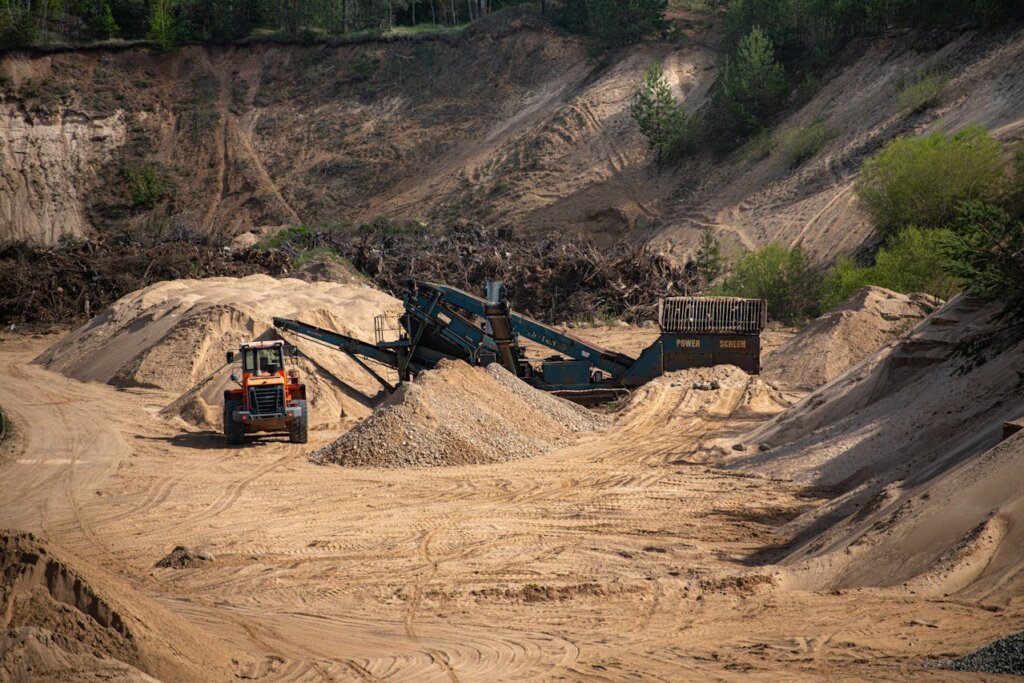
Achieving the correct thickness requires careful preparation and attention to detail during installation. The sand should be spread evenly across the base and leveled using a screeding method to maintain a consistent depth.
It is important not to walk on or disturb the sand once it has been leveled, as this can create uneven spots. Pavers should be placed directly onto the prepared surface and then compacted to lock everything into place.
After compaction, the sand layer naturally settles to its final thickness, which is why starting slightly above one inch before compaction is often recommended.
Common Mistakes to Avoid
One of the most common mistakes is using too much sand in an attempt to correct uneven ground. Bedding sand is not designed to fix major surface issues. Instead, the base layer should be properly graded and compacted before applying the sand.
Another mistake is using the wrong type of sand. Not all sand is suitable for paver installation. Materials that are too fine or too coarse can affect compaction and stability. Choosing high-quality sand from reliable sand products ensures better results and long-term durability.
Avoiding these mistakes helps maintain the integrity of the entire installation and reduces the risk of future problems.
Why Quality Materials Make a Difference
The performance of bedding sand depends heavily on its consistency and quality. Properly graded sand compacts evenly, drains effectively, and provides a stable surface for pavers.
Working with a trusted supplier like Select Sand & Gravel ensures access to materials that meet industry standards. Whether you are installing a small patio or a large commercial project, using the right sand and base materials significantly improves the outcome.
High-quality materials not only make installation easier but also extend the lifespan of the finished surface.
Final Thoughts
Understanding how thick bedding sand should be under pavers is a key part of any successful paver installation. While the recommended thickness is typically around one inch after compaction, achieving the correct depth requires proper preparation, quality materials, and careful installation.
When combined with a strong base and the right techniques, bedding sand creates a stable, level surface that supports pavers and ensures long-term durability. Paying attention to this critical detail can make the difference between a project that lasts for years and one that requires frequent repairs.

