How Much Does a Yard of Crushed Stone Weigh? A Contractor’s Guide
When you are managing a construction site in Houston or upgrading a commercial driveway in Oklahoma City, accuracy is your most valuable asset. Miscalculating material weight can lead to dangerous truck overloads, unexpected logistical costs, and project delays. One of the most frequent inquiries we handle at Select Sand & Gravel involves the physical properties of heavy aggregates: “How much does a yard of crushed stone weigh?”
Because crushed stone is a mechanical product—created by crushing larger rock formations into specific sizes—its density is higher than that of rounded gravel or topsoil. Understanding these weight variables is essential for anyone responsible for hauling, budgeting, or structural planning.

The Standard Weight of Crushed Stone per Cubic Yard
For general estimation purposes, one cubic yard of crushed stone weighs approximately 2,700 to 2,800 pounds. When converted to tons, this equates to roughly 1.35 to 1.4 tons per yard.
It is important to note that this figure applies to “clean” crushed stone, where the smaller dust particles (fines) have been washed or screened away. If you are ordering a product like “crusher run” or “road base,” which includes a mix of stone and stone dust designed for maximum compaction, the weight can climb as high as 3,000 pounds (1.5 tons) per cubic yard.
Weight Estimates by Volume
If you are working with smaller quantities or specialized hauling equipment, these benchmarks are helpful:
- Per Cubic Foot: ~100 to 110 lbs.
- Per 5-Gallon Bucket: ~70 to 75 lbs.
- Per Half-Ton Pickup Truck: Typically 0.5 to 0.75 cubic yards (to stay within safe payload limits).
Factors That Change the Density of Crushed Rock
Not all stone is created equal. The geology of Texas and Oklahoma provides a variety of parent rocks, each with a unique mineral density that affects the final weight of the crushed product.
Geological Composition of the Stone
The type of rock being crushed is the primary factor in weight. For example, crushed limestone is the industry standard across much of San Antonio and Austin. Limestone is relatively dense, but it is lighter than crushed basalt or trap rock. If your project specifically requires a heavy, durable aggregate for high-traffic industrial use, the weight per yard will inevitably be higher than a decorative or softer stone.
Gradation and Particle Size
The size of the stone changes how much “void space” exists in a cubic yard. Larger stones (such as #3 or #4 ballast) have larger gaps between them, which can sometimes result in a slightly lower weight per cubic yard compared to smaller, tightly packed stones like #57 or #67 grade. However, when you add “fines” back into the mix—as seen in road base materials—those gaps are filled, significantly increasing the weight and the density of the load.
Practical Applications: Why Weight Accuracy Matters
In the aggregate industry, precision is the difference between a profitable project and a logistical nightmare. At Select Sand & Gravel, we emphasize weight awareness to ensure our customers remain compliant with Department of Transportation (DOT) regulations and site safety standards.
Logistics and Hauling Safety
If you are planning to pick up crushed rock in a personal vehicle, you must be extremely cautious. A single cubic yard of crushed stone (at ~2,800 lbs) exceeds the payload capacity of almost every standard “1500” series pickup truck on the market. Overloading causes permanent damage to suspension systems and increases stopping distances dangerously. For any project requiring more than a single yard, professional hauling via Tandem Dump Trucks or End-Dumps is the only recommended method.
Structural Integrity and Compaction
For projects like retaining wall backfill or sub-bases for asphalt, the weight of the stone relates directly to its compaction rate. Using a lighter stone where a heavy, interlocking crushed rock is required can lead to shifting and structural failure. Professional contractors must know the weight-to-volume ratio to ensure they are ordering enough tonnage to reach the desired compacted depth.
Comparing Crushed Stone to Other Common Aggregates
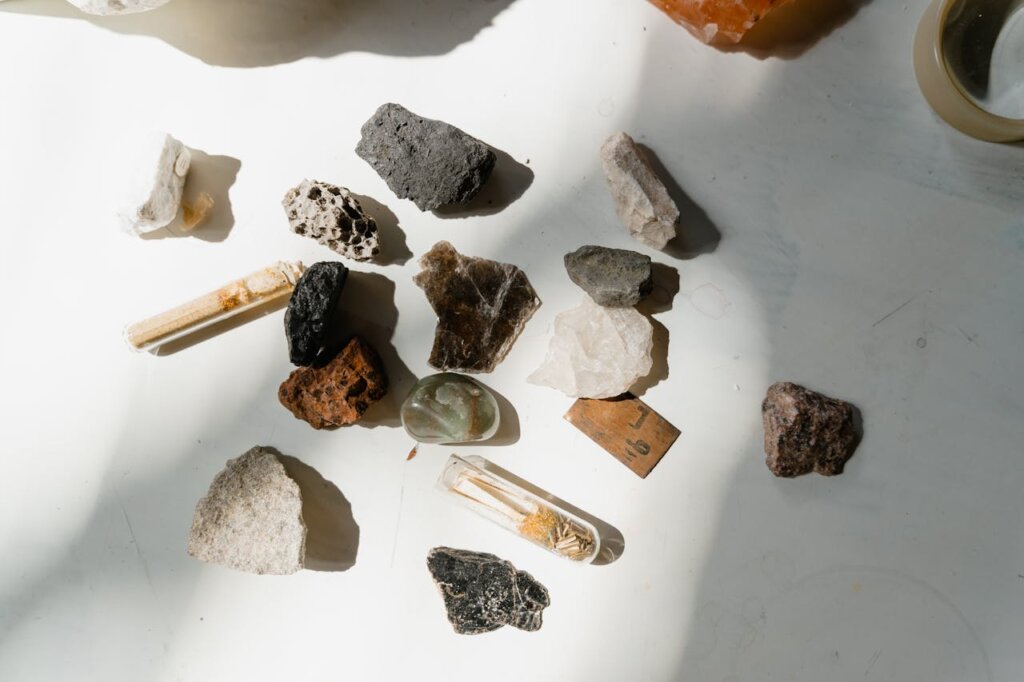
To better visualize the weight of crushed stone, it helps to compare it to other products we deliver across Dallas, Fort Worth, and Midland/Odessa.
- Crushed Stone vs. Pea Gravel: Pea gravel is rounded and smooth. Because the rounded edges don't "interlock" as tightly as the jagged edges of crushed stone, pea gravel often has more consistent void spaces and may weigh slightly less per yard depending on moisture.
- Crushed Stone vs. Topsoil: Topsoil is significantly lighter, usually weighing around 2,100 to 2,300 lbs per yard. If you switch from a landscaping soil project to a stone-based driveway project, you must account for the roughly 500-lb increase in weight per yard.
- Crushed Stone vs. River Rock: Large decorative river rocks are bulky. While the rock itself is dense, the large gaps between the stones in a truck bed often mean you are getting less "mass" per cubic yard than you would with a dense, crushed aggregate.
The Select Sand & Gravel Commitment to Reliability
Founded in the early 1980s, Select Sand & Gravel has spent decades perfecting the art of aggregate supply. Since becoming an employee-owned company in 2022, our commitment to customer confidence has only grown. We aren’t just a delivery service; we are a partner in your construction process.
Our team understands the nuances of local materials across our service areas. Whether you need Cement Treated Sand for a utility project in Houston or Mexican Beach Pebbles for a luxury landscape in San Antonio, we provide the expertise to ensure your order is accurate. We offer specialized hauling using:
- Tandem Dump Trucks for precise residential or small-site drops.
- End-Dump Trailers and Dump Truck & Pups for high-volume commercial needs.
- Construction Site Haul-Off for when you need to remove dirt spoils or old debris before the new stone arrives.
Conclusion: Planning Your Next Aggregate Delivery
Calculating how much a yard of crushed stone weighs is the essential first step in ensuring your project’s foundation is solid. By planning for approximately 1.4 tons per cubic yard, you can accurately budget for material costs and arrange for the appropriate hauling equipment.
Don’t leave your project’s success to guesswork. Trust the employee-owners at Select Sand & Gravel to deliver the high-quality crushed rock, road base, or decorative stone you need, exactly when you need it.
[Explore our Crushed Rock and Aggregate products here] to find the perfect material for your next build, and request a quote for delivery in Dallas, Fort Worth, Austin, San Antonio, Houston, Midland/Odessa, or Oklahoma City.

