Which Materials Are Used for the Pathway? A Guide to Choosing the Best Pathway Materials
Pathways are an essential part of landscaping and outdoor design. They improve accessibility, guide foot traffic, and enhance the overall appearance of residential and commercial properties. Whether you are creating a garden path, a walkway to your front door, or a trail through a commercial landscape, choosing the right material is one of the most important decisions you will make.
If you are wondering which materials are used for the pathway, there are several options available depending on your budget, style preferences, maintenance expectations, and intended use. Some materials offer a natural decorative look, while others provide greater durability and structural support.
This guide explains the most commonly used pathway materials and how to choose the best one for your project.
Gravel for Pathways
Gravel is one of the most popular and cost-effective pathway materials. It is easy to install, provides good drainage, and creates a natural appearance that works well in gardens and outdoor spaces.
Gravel pathways can be made using various sizes and colors of stone. Materials like pea gravel are especially popular because of their smooth texture and decorative appearance.
Gravel is best for low-traffic areas and informal landscapes. However, it can shift over time and may require occasional maintenance to keep the path level.
Decomposed Granite
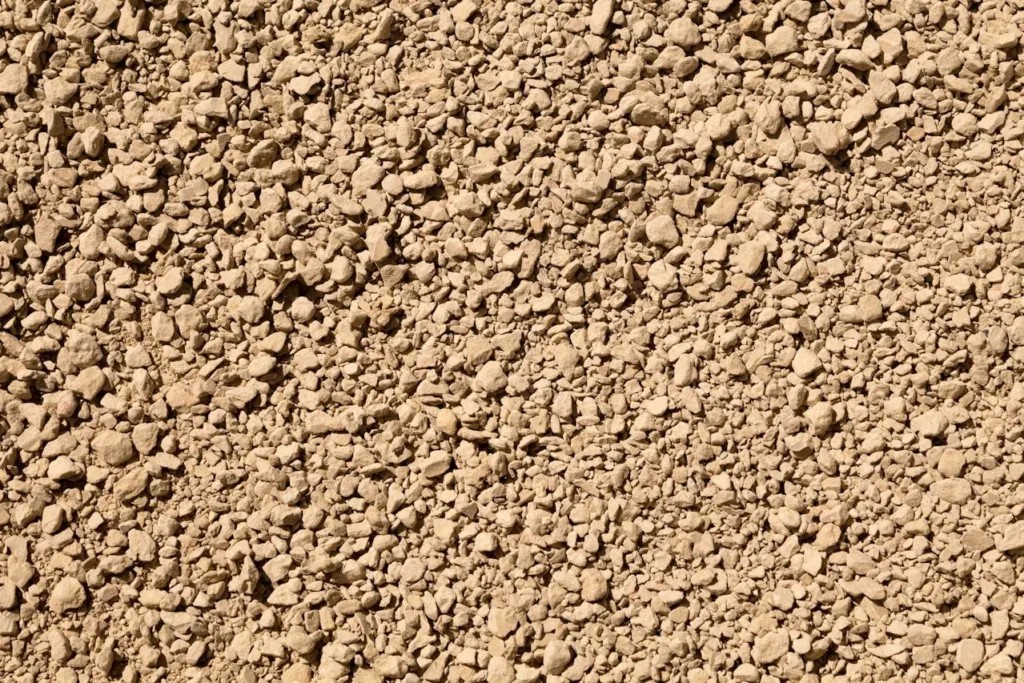
Decomposed granite is another common choice for pathways. It is made from weathered granite that breaks down into fine particles.
This material creates a firm yet natural-looking surface that compacts well and allows water to drain through. It is often used in parks, trails, and residential landscaping.
Options such as decomposed granite or stabilized decomposed granite offer improved durability and reduced erosion.
Decomposed granite is ideal for pathways where a rustic but more stable surface is desired.
Pathway Fines
Pathway fines are specially designed materials used to create smooth and compacted walkways. They are made of finely crushed stone or granite particles that lock together when compacted.
This material provides a stable, accessible surface and is often used for garden paths, parks, and public trails.
Products like pathway fines are a great option for homeowners and contractors seeking a clean and professional finish.
Compared to loose gravel, pathway fines tend to shift less and require less maintenance.
Pavers and Brick
Pavers and brick are popular for formal pathways and patios. They offer a clean, structured appearance and come in various colors, shapes, and patterns.
Brick pathways provide a classic look, while concrete or stone pavers can create more modern or decorative designs.
These materials are durable and long-lasting when installed over a stable base using materials such as utility and bedding sand and road base flex base.
Paver pathways typically require a higher initial investment but provide excellent durability and curb appeal.
Natural Stone and River Rock
Natural stone pathways create a premium and elegant appearance. Flagstone, stepping stones, and decorative rocks are commonly used in landscaping designs.
Materials like river rock, Texas river rock, or Colorado river rock can be used around or between stepping stones for a decorative finish.
Natural stone is durable and attractive, though installation can be more labor-intensive and costly.
Concrete Pathways
Concrete is one of the most durable materials for pathways. It can be poured into custom shapes and finished in various textures or stamped patterns.
Concrete pathways are ideal for high-traffic areas because they require minimal maintenance and last for many years.
However, they provide less natural drainage compared to gravel or decomposed granite and may crack over time if not installed properly.
Mulch and Organic Materials
For garden or temporary pathways, organic materials like mulch or wood chips are sometimes used.
These materials are affordable, natural-looking, and easy to install. They work well in low-traffic garden areas but break down over time and need regular replacement.
Mulch pathways are not ideal for formal or high-use applications.
Choosing the Right Pathway Material
The best pathway material depends on several factors including traffic level, budget, appearance, and maintenance requirements.
For decorative garden paths, gravel, pathway fines, or decomposed granite are often ideal. For formal walkways or entryways, pavers, brick, or concrete may provide a more polished appearance.
If drainage is a concern, permeable materials like gravel or decomposed granite are often better choices.
For long-term durability, a properly prepared base and high-quality materials from trusted suppliers like Select Sand & Gravel can make a major difference in performance.
Final Thoughts
Understanding which materials are used for the pathway helps you choose the right option for your landscape or construction project.
From affordable gravel and decomposed granite to premium pavers and natural stone, each material offers unique benefits depending on the application.
By selecting the right material and installing it properly, you can create a pathway that is both functional and visually appealing for years to come.

