How to Create a River Rock Pathway: A Beautiful and Durable Landscaping Guide
A river rock pathway can add natural beauty, texture, and charm to any outdoor space. Whether you are designing a garden walkway, a decorative trail, or an accent path around your home, river rock creates an elegant and low-maintenance landscape feature.
If you are wondering how to create a river rock pathway, it is important to understand that river rock behaves differently from crushed stone or decomposed granite. Because river rocks are smooth and rounded, they do not compact tightly and can shift underfoot if not installed correctly.
With the right preparation and design, however, a river rock pathway can become a stunning and functional part of your landscape for years to come.
Plan the Pathway Design
The first step is deciding where the pathway will go and how it will be used.
Use stakes, rope, or landscape paint to outline the route. Consider the width and shape based on the surrounding landscape and foot traffic.
Most residential pathways are 3 to 4 feet wide, but decorative garden paths can be narrower.
A curved design often looks more natural in landscaped areas, while straight paths provide a more formal appearance.
Excavate the Area
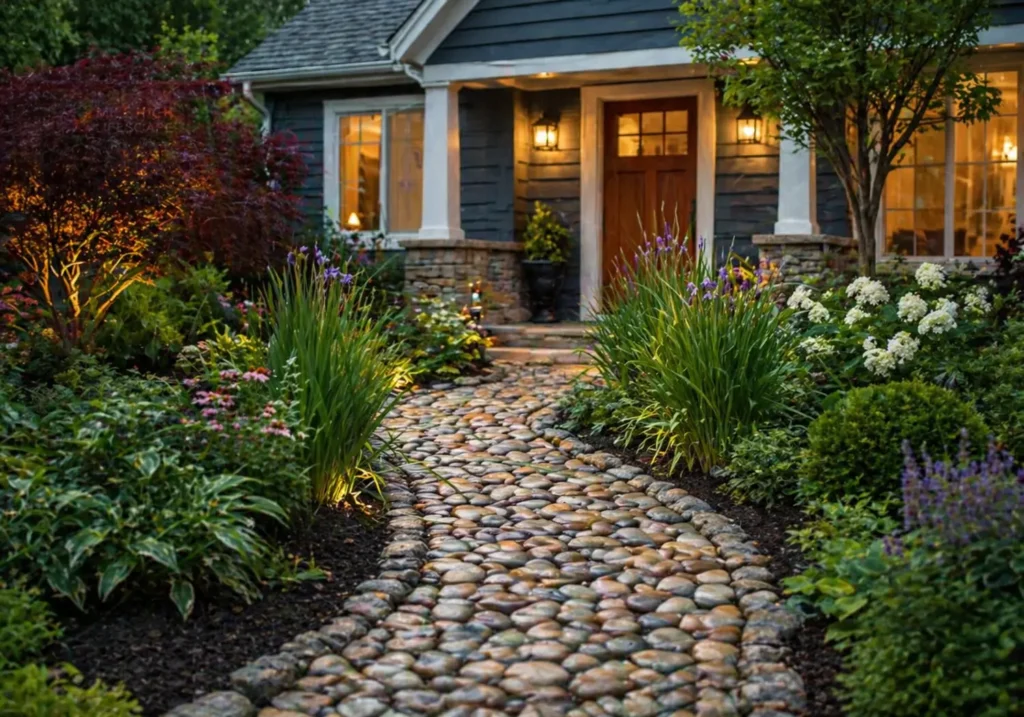
Once the layout is planned, excavate the area to create space for the pathway materials.
Remove grass, roots, and loose soil. A depth of 3 to 5 inches is typically enough for decorative pathways.
If the ground is soft or drainage is poor, deeper excavation may be needed.
Adding a slight slope helps direct water away and prevents pooling.
Install Landscape Fabric
Because river rock does not compact tightly, landscape fabric is especially important.
The fabric helps prevent weeds and keeps the rocks from sinking into the soil over time.
Lay the fabric evenly across the excavated area and secure it with landscape staples.
This creates a barrier between the soil and the rock while still allowing water to drain.
Add a Base Layer
A stable base improves drainage and keeps the pathway more even over time.
Materials such as road base flex base or crushed limestone can be used to create a compacted foundation.
This layer is especially useful in high-traffic areas or locations with soft ground.
Compact the base before adding the decorative rock layer.
Choose the Right River Rock
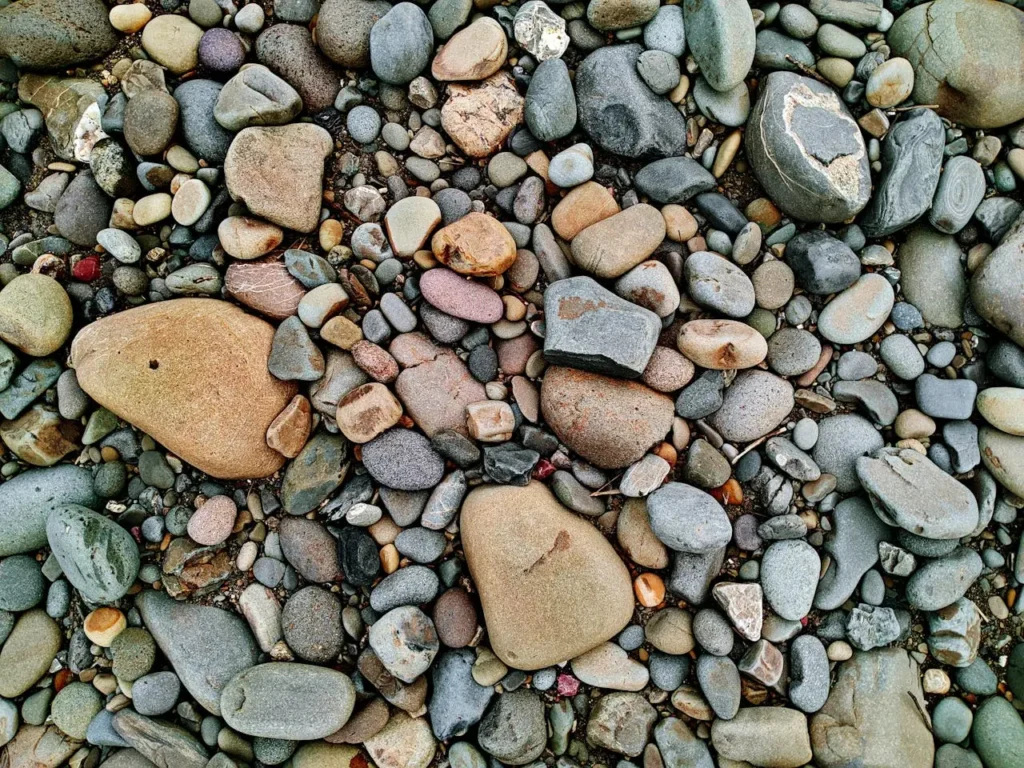
Not all river rock is the same. Size, color, and texture all affect appearance and functionality.
Smaller rocks are easier to walk on, while larger rocks create a more decorative look.
Popular options include Texas river rock, Colorado river rock, or Arizona river rock depending on the desired color and style.
Choosing the right size and color helps the pathway blend with the overall landscape design.
Spread the River Rock
Once the base is ready, spread the river rock evenly over the pathway.
A depth of about 2 to 3 inches is usually recommended.
Rake the rocks smooth and ensure even coverage across the entire area.
Because river rock is rounded and loose, it will not compact like crushed stone.
For this reason, some homeowners use stepping stones or pavers within the river rock for easier walking.
Install Edging for Containment
Edging is important for keeping river rock in place.
Without edging, the rocks can spread into lawns, flower beds, or surrounding walkways over time.
Metal, plastic, brick, or stone edging can all work well.
Edging also gives the pathway a cleaner and more finished appearance.
Consider Adding Stepping Stones
Because river rock can shift underfoot, adding stepping stones is a practical and attractive solution.
Stepping stones create a stable walking surface while the river rock provides decorative fill around them.
This combination improves usability without sacrificing the natural look of the pathway.
Maintenance and Upkeep
Learning how to create a river rock pathway properly helps ensure the final result is both beautiful and durable.
With proper excavation, landscape fabric, edging, and the right river rock material, you can create a pathway that enhances your outdoor space and complements your landscaping design.
Using high-quality materials from trusted suppliers like Select Sand & Gravel ensures better long-term performance and visual appeal.
Final Thoughts
Understanding how to calculate cement and sand in brick masonry is essential for efficient construction planning. By calculating wall volume, estimating mortar requirements, and applying the correct mix ratio, you can determine material quantities accurately and reduce unnecessary costs.
Accurate estimates not only improve budgeting but also ensure smooth project execution. Using high-quality materials from trusted suppliers like Select Sand & Gravel further improves the strength and durability of masonry work.
Whether you are building a small wall or a large structure, careful calculation and proper material selection are key to long-lasting results.

