How to Make a Crushed Rock Pathway: A Step-by-Step Guide for a Durable Walkway
A crushed rock pathway is one of the most practical and attractive ways to improve an outdoor space. Whether you are creating a garden trail, a walkway to your front door, or a decorative path through a landscape, crushed rock offers durability, affordability, and a natural appearance.
If you are wondering how to make a crushed rock pathway, the process involves more than simply spreading rocks on the ground. Proper preparation, the right materials, and correct installation techniques all play a major role in creating a stable and long-lasting path.
A well-built crushed rock pathway can provide excellent drainage, resist erosion, and blend beautifully into the surrounding landscape.
Plan the Pathway Layout
The first step in making a crushed rock pathway is planning the route, width, and shape.
Use stakes, rope, or landscape marking paint to outline the path. Think about where people will walk most often and how the path should connect to patios, gardens, or entryways.
Most pathways are between 3 and 4 feet wide for comfortable walking, but narrower paths may work in smaller garden areas.
Careful planning helps minimize material waste and ensures the final result looks natural and functional.
Excavate the Area
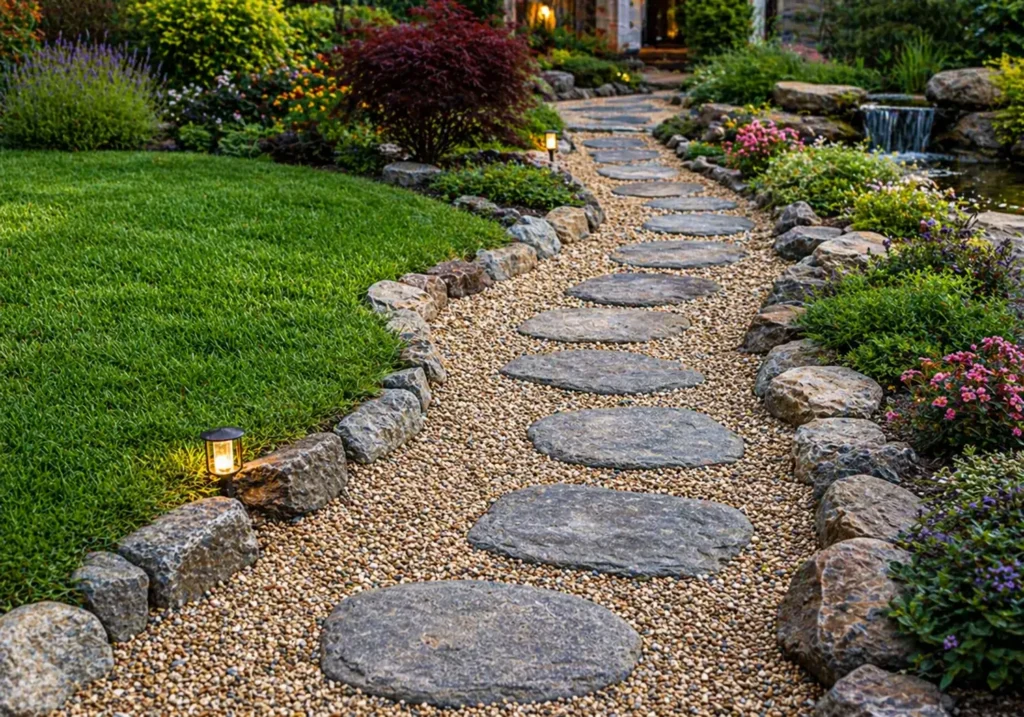
After marking the layout, excavate the path area.
Remove grass, roots, and loose soil to create a stable foundation. For most residential pathways, excavating 3 to 5 inches deep is sufficient.
If the ground is soft or the area experiences heavy rainfall, deeper excavation may be needed to improve drainage and stability.
A slight slope can help direct water away and prevent pooling.
Install a Base Layer
A base layer creates structural support and helps prevent the crushed rock from sinking into the soil.
Materials like road base flex base or crushed limestone are commonly used because they compact tightly and provide a strong foundation.
Spread the base material evenly and compact it thoroughly using a plate compactor or hand tamper.
A strong base improves durability and reduces long-term maintenance.
Add Landscape Fabric
Landscape fabric is often installed over the base or directly on the soil to help prevent weeds and reduce mixing between the rock and the ground.
The fabric allows water to drain while helping keep the pathway materials in place.
Secure the fabric with landscape staples before adding the rock layer.
This extra step can extend the life of the pathway and reduce maintenance.
Install Edging
Edging helps keep the crushed rock contained and prevents it from spreading into surrounding landscaping.
Popular edging options include metal, plastic, brick, or stone.
Edging creates clean lines and helps maintain the shape of the pathway over time.
Install the edging securely before adding the top layer of crushed rock.
Spread the Crushed Rock
Once the base and edging are ready, spread the crushed rock evenly over the pathway.
Materials such as landscape rock or other decorative crushed stone products can be used depending on the desired look.
For a finer and more compact surface, decomposed granite or pathway fines are excellent choices.
The top layer is usually spread 1.5 to 2 inches thick.
Rake the material smooth and distribute it evenly.
Compact the Surface
Compaction helps create a more stable walking surface.
Using a plate compactor or hand tamper compresses the crushed rock and reduces shifting.
Lightly misting the material with water during compaction can help finer materials bind more effectively.
Multiple passes may be needed to create a firm and level surface.
Final Touches and Maintenance
After compaction, inspect the pathway for uneven areas or low spots.
Add additional rock if needed and compact again.
Over time, occasional maintenance may be required to replenish displaced material, remove weeds, or re-level the surface.
A well-maintained crushed rock pathway can last for many years.
Final Thoughts
Understanding how to make a crushed rock pathway helps ensure the finished project is durable, attractive, and easy to maintain.
With proper excavation, a stable base, secure edging, and the right crushed rock materials, you can create a walkway that enhances both the function and appearance of your outdoor space.
Using quality materials from trusted suppliers like Select Sand & Gravel can make a significant difference in the long-term performance of your pathway.

