Which Materials Are Best for a Stone Pathway? A Complete Guide to Durable and Attractive Options
A stone pathway can transform the look of any outdoor space while adding function, structure, and long-term value. Whether you are designing a garden path, a walkway to your front entrance, or a trail through a landscaped yard, choosing the right materials is critical for both appearance and durability.
If you are wondering which materials are best for a stone pathway, the answer depends on your design goals, budget, maintenance expectations, and how much traffic the pathway will receive. Some materials create a natural rustic appearance, while others offer a more polished and permanent finish.
This guide covers the best materials for building a stone pathway and explains how each one performs in real-world landscaping applications.
Natural Stone for a Premium Look
Natural stone is one of the most popular choices for pathways because of its beauty, durability, and timeless appearance. Stones such as flagstone, slate, and limestone create elegant walkways that blend naturally into outdoor landscapes.
Natural stone can be installed as large stepping stones or tightly fitted pieces for a more formal look. Because every piece is unique, the final pathway often has a high-end custom appearance.
Limestone is especially popular because of its strength and natural color variations. Materials such as crushed limestone are often used as a supporting base beneath natural stone pathways to improve stability and drainage.
River Rock for Decorative Accents
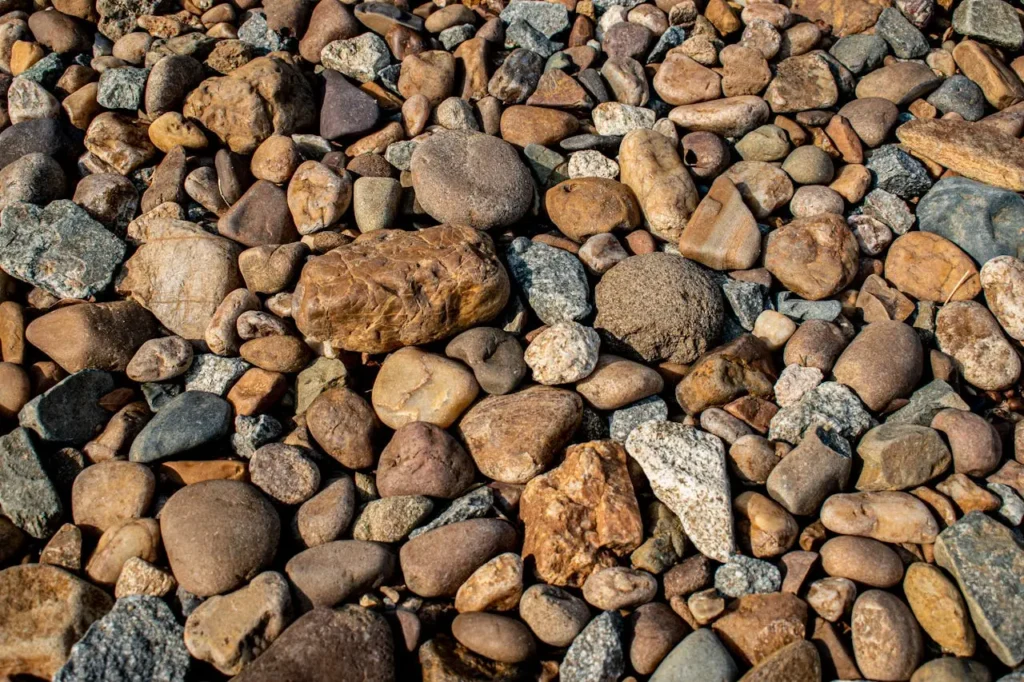
River rock is commonly used around stepping stones or along the edges of pathways to improve appearance and drainage.
Smooth decorative options like Texas river rock or Colorado river rock add texture and visual contrast to the landscape.
River rock is usually not used as the main walking surface because the rounded stones can shift underfoot. However, it works well as a border or filler material between larger stones.
Decomposed Granite for a Natural Surface
Decomposed granite is one of the best materials for creating a natural-looking pathway that remains relatively firm underfoot.
It compacts well, allows water to drain through, and provides a rustic appearance that fits well in gardens and trails. For extra durability, stabilized decomposed granite can be used to reduce erosion and movement.
Decomposed granite is often used as the main surface material or as filler between larger stones in a pathway design.
Pathway Fines for Smooth and Stable Walkways
Pathway fines are finely crushed stone materials specifically designed for walkways and trails.
Products like pathway fines compact tightly to create a smooth and stable walking surface. They shift less than loose gravel and provide a cleaner, more finished appearance.
This material is especially useful for homeowners who want a pathway that looks natural but is easier to walk on than larger gravel or decorative rock.
Gravel and Pea Gravel
Gravel is a practical and affordable option for stone pathways. It offers excellent drainage and is easy to install.
Decorative options such as pea gravel create a softer, more decorative look. However, gravel can shift over time and may require edging or occasional maintenance.
Gravel is often used in informal garden paths or as a filler around stepping stones.
Bedding and Base Materials Matter
No matter what surface material you choose, the strength and longevity of the pathway depend heavily on the base underneath.
Materials like utility and bedding sand help level stones during installation, while structural materials such as road base flex base create a stable foundation.
Without proper base preparation, even the most attractive pathway materials can shift, settle, or become uneven over time.
Choosing the Best Material for Your Pathway
The best material depends on the style and purpose of your pathway.
For a premium and elegant look, natural stone is often the top choice. For rustic or informal landscapes, decomposed granite or pathway fines may be more practical.
If decorative accents are important, river rock can add texture and visual appeal. For affordability and easy installation, gravel remains a popular option.
Combining materials often creates the best results. For example, natural stone with decomposed granite or river rock accents can create both beauty and durability.
Final Thoughts
Understanding which materials are best for a stone pathway helps you create a walkway that is attractive, functional, and built to last.
Natural stone offers timeless beauty, decomposed granite and pathway fines provide a stable natural surface, and decorative materials like river rock or pea gravel add visual interest.
With proper installation and quality materials from trusted suppliers like Select Sand & Gravel, your stone pathway can enhance your landscape and provide lasting value for years to come.

