What Type of Sand Is Used Under Slab Foundations?
A concrete slab foundation depends on much more than the concrete itself. The materials placed underneath the slab play a major role in preventing settling, controlling moisture, and improving long-term structural performance. One common question in construction is: what type of sand is used under slab foundations?
The answer depends on the purpose of the sand layer and the requirements of the project. In most slab foundation systems, contractors use clean, coarse, well-graded sand or a sand-and-gravel base material designed for compaction and drainage. The sand is not used as the primary structural support; instead, it works as part of a properly prepared foundation system.
Choosing the wrong sand or installing it incorrectly can contribute to uneven settling, moisture issues, and slab cracking. Understanding how sand functions beneath concrete helps ensure a stronger and more durable foundation.
Why Is Sand Used Under Concrete Slabs?
Sand is often placed beneath concrete slabs because it provides several important benefits during and after construction.
One of the primary purposes is creating a smoother transition between the compacted soil and the concrete slab. A properly prepared sand layer helps fill small irregularities in the ground surface, creating more uniform support.
Sand can also improve drainage by allowing water to move away from the underside of the slab. This is particularly important because trapped moisture beneath concrete can contribute to soil movement, erosion, or other foundation problems.
Another benefit is that sand can help prevent direct contact between the concrete and uneven soil, reducing stress points that may lead to cracking.
However, sand alone does not replace a properly engineered foundation base. The strength of the slab depends on the entire system, including soil preparation, compaction, aggregate base, reinforcement, and concrete quality.
What Type of Sand Is Best Under a Slab Foundation?
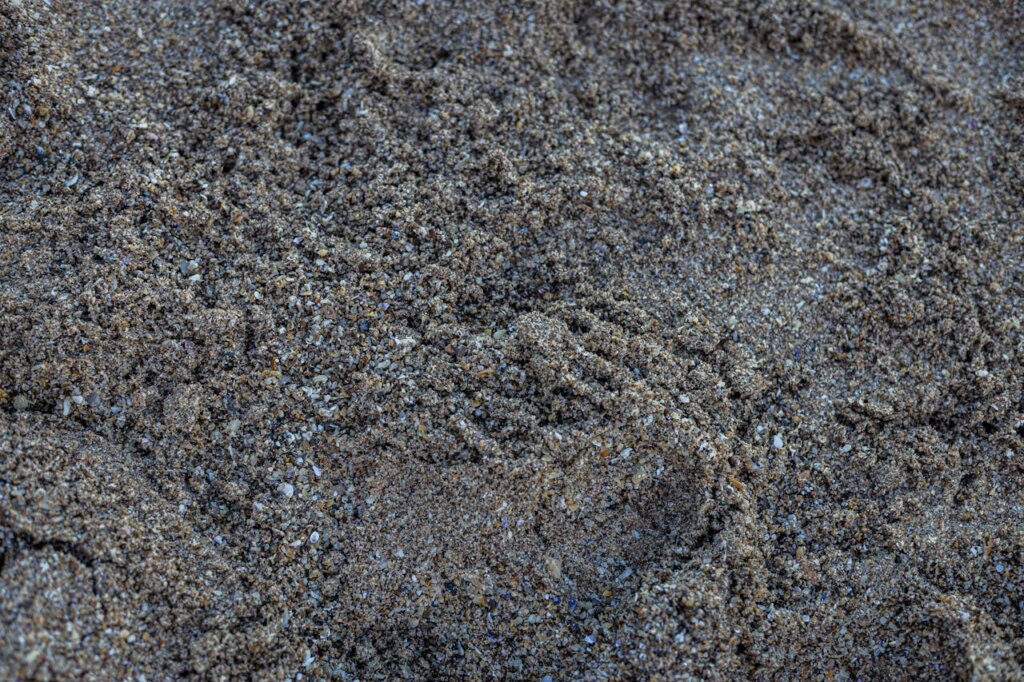
The best sand for use under a slab foundation is generally clean, coarse sand with good compaction characteristics.
Coarse sand contains larger particles that create better stability compared with very fine sands. The particles allow the material to compact while still maintaining some drainage capability.
Construction professionals often prefer materials with consistent grading because a mixture of different particle sizes creates better density. Smaller particles fill the spaces between larger grains, resulting in a tighter and more stable layer.
Materials such as concrete sand are commonly used in construction because they are washed, properly graded, and designed for applications where strength and stability matter.
Is Concrete Sand Good Under a Concrete Slab?
Yes, concrete sand can be suitable under concrete slabs when used as part of a properly designed installation.
Concrete sand is a coarse sand with angular particles that compact well and provide a stable surface. Its texture allows it to lock together more effectively than loose, rounded sands.
However, the exact requirements depend on the type of slab being installed.
For residential slabs, patios, sidewalks, and similar applications, concrete sand may be used as part of the bedding or leveling layer. For larger structural foundations, engineers may specify a more comprehensive base system involving compacted aggregate.
The important point is that the material must meet the project requirements rather than simply being labeled as “sand.”
Sand vs Gravel Base Under a Concrete Slab
A common question is whether sand or gravel is better under a concrete slab.
In many construction applications, gravel or crushed aggregate provides the main structural support beneath the slab because it offers excellent load distribution and compaction.
Sand is often used as a leveling layer or finishing layer above the compacted base.
For example, a typical slab preparation may include:
Concrete slab → reinforcement → sand or leveling layer → compacted aggregate base → prepared soil
The exact design varies depending on soil conditions, climate, and building requirements.
Materials such as road base flex base are commonly used when a stronger compacted foundation layer is needed because they contain a blend of aggregate sizes that create excellent stability.
Should Sand Be Compacted Under a Slab?
Yes, proper compaction is essential.
Loose sand can shift under pressure, creating voids beneath the concrete. These unsupported areas can eventually contribute to cracking or uneven settlement.
Before concrete is poured, the sand and underlying base should be properly leveled and compacted according to the project requirements.
The goal is to create a dense, uniform surface that supports the slab evenly across its entire area.
Simply spreading sand over the ground without preparation does not provide the same results as a professionally installed base system.
Can You Use Fine Sand Under a Concrete Slab?
Fine sand is generally not the preferred choice beneath structural concrete slabs.
Very fine sand particles can compact differently, retain moisture, and may not provide the same stability as coarser, well-graded materials.
Materials like play sand or very fine beach-style sand are typically not suitable for slab foundations because they are designed for different purposes.
For construction applications, sand should be selected based on engineering requirements rather than availability or low cost.
How Thick Should the Sand Layer Be Under a Slab?
The thickness of the sand layer depends on the slab design and site conditions.
In many applications, sand may be installed as a relatively thin leveling layer rather than a deep foundation layer.
The overall base thickness depends on factors such as:
- soil strength,
- expected load,
- drainage requirements,
- slab type,
- and local building practices.
A structural foundation requires proper planning, and the correct thickness should be determined based on the specific project rather than a universal measurement.
Common Mistakes When Using Sand Under Slab Foundations
One of the biggest mistakes is assuming that any type of sand will work beneath concrete.
Sand that contains excessive clay, organic material, or inconsistent particles may not compact properly and can create long-term problems.
Another mistake is using sand as a replacement for a proper aggregate base. While sand improves leveling and drainage, it does not provide the same structural support as a properly compacted base material.
Poor grading and drainage planning can also cause issues by allowing water to collect beneath the slab.
Quality materials and correct installation methods are essential for foundation performance.
Final Note
So, what type of sand is used under slab foundations? In most cases, construction projects use clean, coarse, well-graded sand that provides stability, leveling, and drainage support.
Concrete sand is one commonly used option because it offers good compaction and consistent performance. However, sand is only one component of a successful slab foundation system. A properly prepared base, adequate compaction, and correct drainage are equally important.
Selecting the right materials from an experienced supplier like Select Sand & Gravel helps ensure that concrete slabs, patios, and construction projects have the stable foundation they need for long-term durability.

