What Is the Difference Between Sharp Sand and Soft Sand?
Learn the difference between sharp sand and soft sand, including texture, uses, strength, and which type of sand is best for construction.
Sand is one of the most widely used construction materials, but not all sand performs the same way. Two common types used in building projects are sharp sand and soft sand. Although they may look similar, they have very different characteristics that affect how they behave in mortar, concrete, plastering, and landscaping applications.
The main difference between sharp sand and soft sand comes down to particle size, texture, shape, and workability. Sharp sand is coarse and angular, making it ideal for strength and drainage, while soft sand is finer and smoother, making it better for applications where flexibility and smooth finishing are important.
Understanding these differences helps builders, contractors, and homeowners select the right material for their specific project.
What Is Sharp Sand?
Sharp sand is a coarse sand with larger, angular particles. It is usually produced from crushed rock or naturally occurring deposits that contain rough, gritty grains.
The particles have sharp edges rather than smooth, rounded surfaces. This texture allows the grains to lock together tightly, creating a stronger and more stable material when compacted.
Because of its strength and drainage properties, sharp sand is commonly used in construction applications where durability is important.
Materials such as concrete sand share similar characteristics because they contain coarser particles designed to provide stability and structural support.
What Is Soft Sand?
Soft sand, sometimes called building sand or masonry sand, is a much finer material with smoother particles.
It usually contains very small grains that create a smooth, workable texture when mixed with cement or other materials.
Soft sand is valued for its ability to create smooth mortar and plaster mixes. It spreads easily and provides better flexibility compared to coarse sands.
Because of these properties, it is commonly used in bricklaying, rendering, and finishing applications.
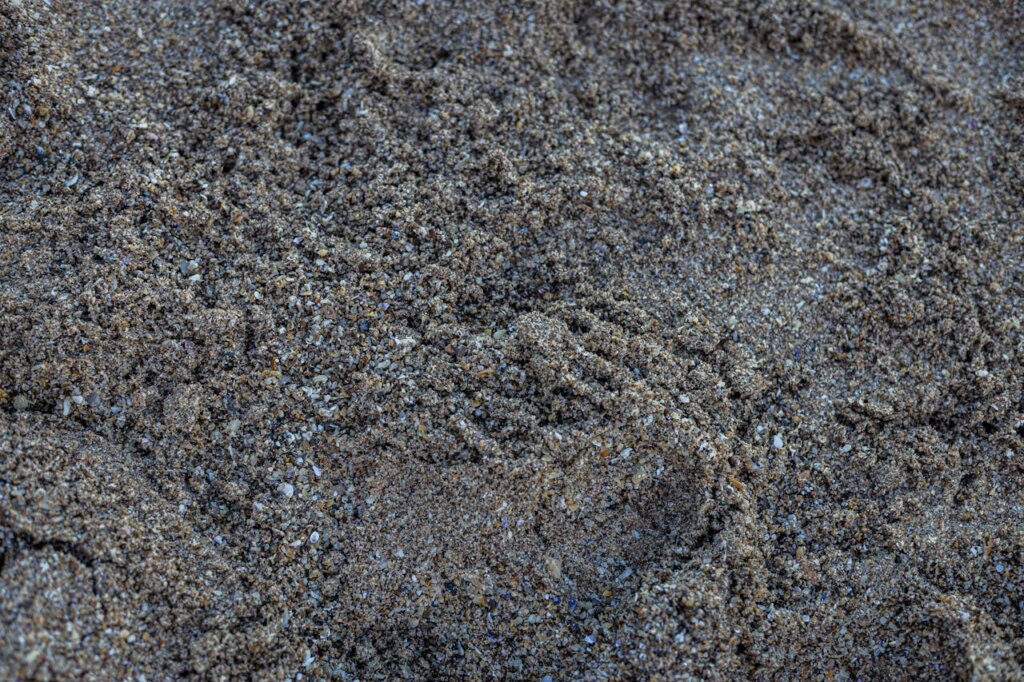
The Main Difference Between Sharp Sand and Soft Sand
The biggest difference between these two materials is the texture and particle structure.
Sharp sand contains larger, angular particles that create strength and stability. When compacted, the grains interlock and resist movement.
Soft sand contains smaller, rounded particles that create a smoother mixture. It is easier to work with but does not provide the same level of structural strength.
This difference determines where each type of sand performs best.
Sharp Sand vs Soft Sand for Mortar
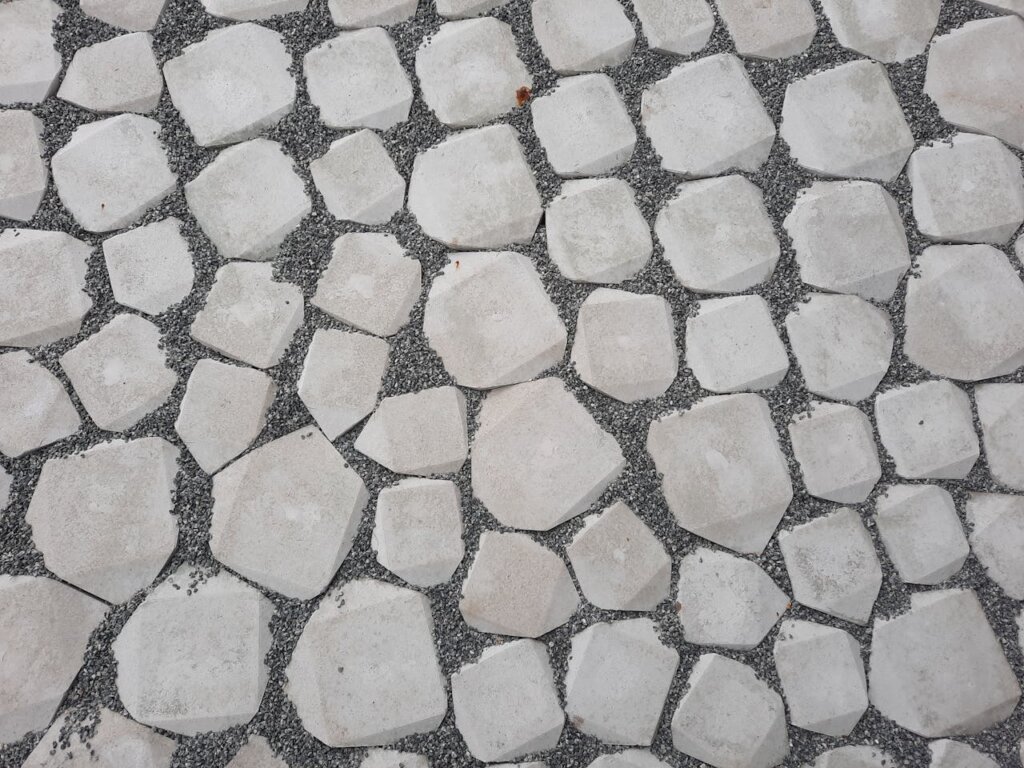
Both sharp sand and soft sand can be used in mortar, but they create different results.
Soft sand is commonly preferred for bricklaying mortar because it produces a smooth, workable mix. It allows masons to spread mortar easily and achieve clean joints between bricks or blocks.
Sharp sand creates a stronger, more rigid mortar because the coarse particles improve strength and reduce shrinkage. However, it can make the mixture harder to work with.
For many masonry applications, a blend of sharp sand and soft sand is used to balance strength and workability.
Sharp Sand Uses in Construction
Sharp sand is commonly used where strength, drainage, and stability are required.
It is often used for:
- Concrete production
- Paving installations
- Floor screeds
- Bedding layers
- Drainage applications
- Landscaping projects
Because it compacts well, sharp sand is especially useful beneath paving stones, slabs, and other hardscape materials.
For example, when installing outdoor surfaces, sharp sand may be combined with stronger base materials such as road base flex base to create a stable foundation system.
Soft Sand Uses in Construction
Soft sand is primarily used for applications requiring smoothness and flexibility.
It is commonly used for:
- Brick and block mortar
- Plastering
- Rendering
- Pointing work
- Decorative finishes
Its fine texture allows it to mix easily with cement and create a consistent, workable material.
However, because it does not compact or lock together as strongly as sharp sand, it is generally not the preferred choice for load-bearing applications.
Which Sand Is Stronger?
When comparing strength, sharp sand generally has the advantage.
The angular particles create more friction between grains, allowing the material to form a stronger structure when compacted.
Soft sand is weaker in terms of load-bearing ability but offers better flexibility and workability.
This does not mean soft sand is inferior—it simply performs a different role.
Construction projects often require both strength and workability, which is why different sand types exist.
Which Sand Is Better for Concrete?
Sharp sand is usually the better choice for concrete-related applications.
Concrete requires materials that create strength and stability. The coarse texture of sharp sand helps improve the structure of the mixture.
However, the exact sand requirements depend on the concrete mix design and project specifications.
Using the wrong sand type can affect the strength, finish, and durability of the final product.
Which Sand Is Better for Pavers?
For paving projects, sharp sand is typically preferred.
Its coarse particles provide better support beneath paving stones and help reduce movement over time.
A stable paving installation often includes a compacted aggregate base followed by a suitable bedding layer. Materials like utility and bedding sand are commonly used for these types of applications because they provide proper support and leveling.
Soft sand is usually too fine for this purpose because it may compress and shift under pressure.
Can Sharp Sand and Soft Sand Be Mixed?
Yes, in many construction applications, sharp sand and soft sand are mixed together.
Combining them allows builders to achieve a balance between strength and workability.
For example, a mortar mix may include both types to create a material that is strong enough for construction but still easy to spread and shape.
The correct ratio depends on the specific application and project requirements.
Final Thoughts
Understanding the difference between sharp sand and soft sand comes down to knowing what each material is designed to do.
Sharp sand is coarse, angular, and strong, making it ideal for concrete, paving, bedding, and applications requiring stability. Soft sand is finer and smoother, making it better for mortar, plastering, and finishing work where workability matters.
Choosing the right sand ensures better performance, durability, and results. Whether you are building, landscaping, or preparing a construction project, selecting quality materials from an experienced supplier like Select Sand & Gravel can help you achieve a stronger and more reliable outcome.

