Does Crushed Limestone Compact Well?
Crushed limestone is one of the most widely used aggregate materials in construction, landscaping, and road projects. A common question from homeowners and contractors is: does crushed limestone compact well?
The short answer is yes, crushed limestone compacts very well when properly graded and installed. In fact, its excellent compaction ability is one of the main reasons it is frequently used for driveways, road bases, foundations, pathways, and other applications where a stable surface is required.
However, the performance of crushed limestone depends on several factors, including the particle size, moisture content, installation method, and the condition of the underlying soil.
Understanding how crushed limestone compacts can help you determine whether it is the right material for your project.
Why Does Crushed Limestone Compact So Well?
The ability of crushed limestone to compact comes from its particle shape and composition.
Unlike naturally rounded gravel, crushed limestone has angular edges created during the crushing process. These irregular surfaces allow the individual pieces to lock together tightly when pressure is applied.
Another important factor is that many crushed limestone products contain a mixture of different particle sizes, including fine limestone dust. These smaller particles fill the gaps between larger pieces, creating a dense and stable surface.
This combination of larger aggregate and fine material creates what is known as a well-graded material, which is ideal for compaction.
How Does Crushed Limestone Compare to Other Materials?
When comparing crushed limestone with other aggregates, its compaction performance is one of its strongest advantages.
Loose gravel, especially rounded gravel, tends to move because the smooth particles do not lock together as effectively. This can result in ruts, shifting, and frequent maintenance.
Crushed limestone performs differently because the angular particles create friction and stability.
Materials like crushed limestone are commonly selected for projects where a firm, long-lasting base is needed.
Is Crushed Limestone Good for Driveways?
Yes, crushed limestone is an excellent choice for many driveway applications.
A driveway must withstand repeated vehicle loads, changing weather conditions, and surface movement. A material that does not compact properly can quickly develop potholes, soft areas, or uneven sections.
Crushed limestone helps create a firm driving surface because it settles into a dense layer that resists displacement.
For many driveway installations, contractors first establish a strong foundation using compacted base materials such as road base flex base and then add crushed limestone as the surface layer.
This layered approach improves strength, drainage, and overall driveway performance.
Does Crushed Limestone Harden Over Time?
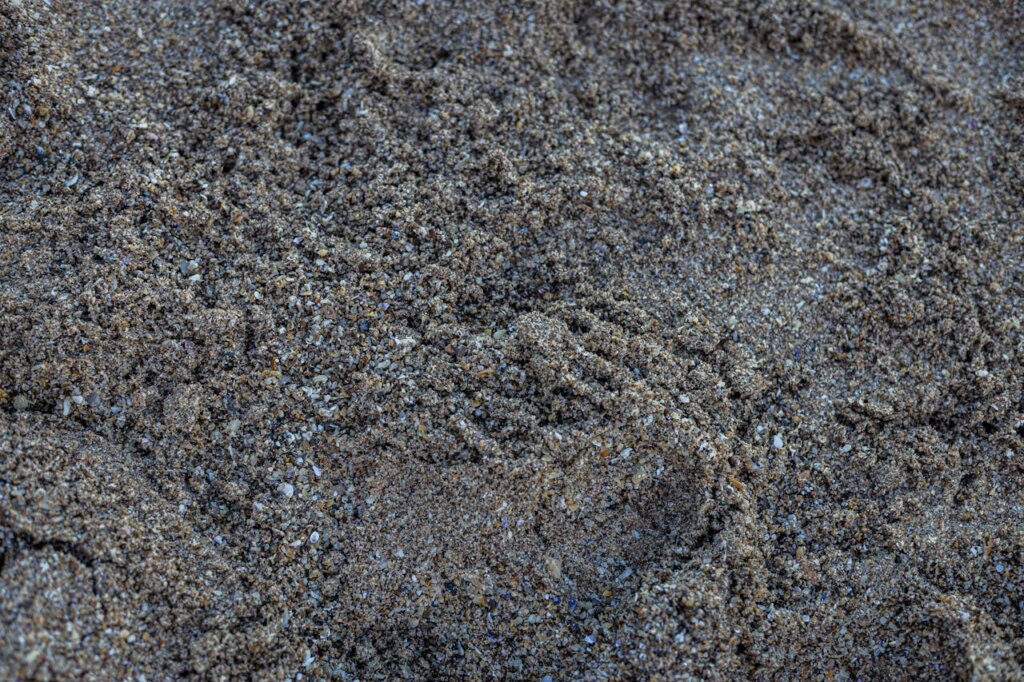
Crushed limestone does not turn into concrete, but it can become significantly firmer after compaction.
When moisture is introduced and the material is compressed, the fine limestone particles help bind the larger pieces together. Over time, traffic and natural settling can make the surface even more stable.
This is why properly installed crushed limestone surfaces often feel firm and solid rather than loose and shifting.
However, the material must be installed correctly. Simply spreading limestone over loose soil without proper preparation will not produce the same results.
Factors That Affect Limestone Compaction
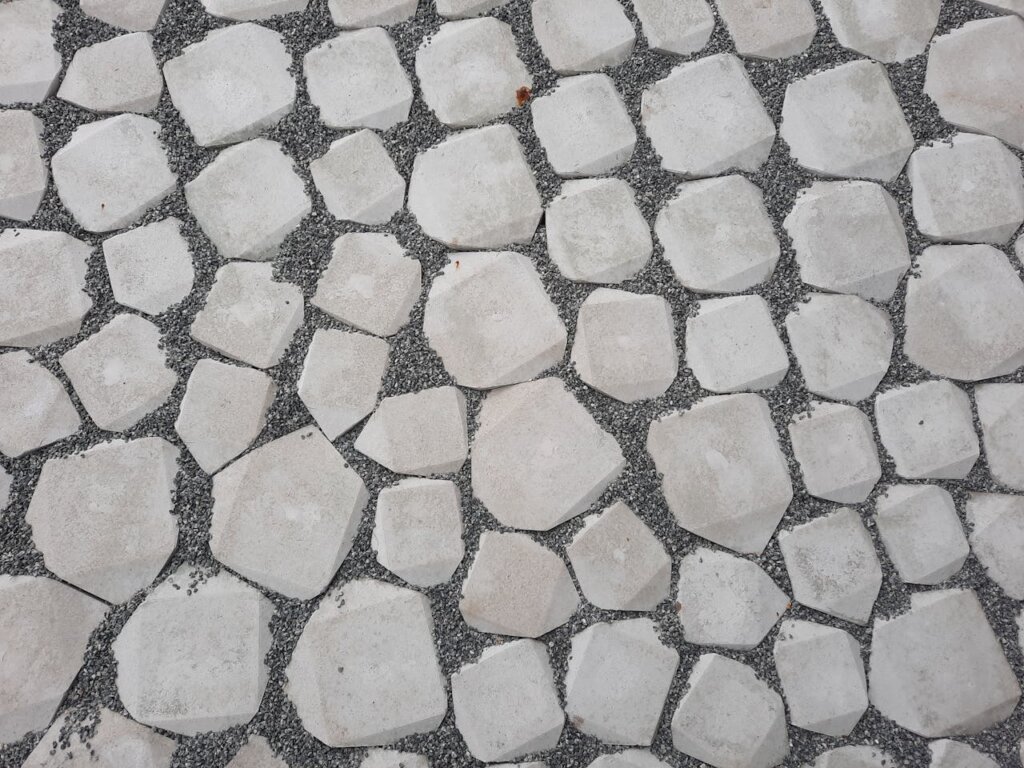
Although crushed limestone is naturally good at compacting, several conditions influence the final performance.
The grading of the material is one of the most important factors. A mixture containing a range of particle sizes usually compacts better than a material made entirely of one size.
Moisture also plays a major role. Material that is too dry may not compact efficiently, while excessive water can make the surface unstable.
The condition of the soil underneath is another important consideration. Soft or poorly drained soil may need additional preparation before limestone is installed.
Proper equipment also matters. A plate compactor or roller provides much better results than simply driving over the material or allowing it to settle naturally.
How to Compact Crushed Limestone Properly
Proper installation begins with preparing the area. The existing soil should be graded and compacted before adding crushed limestone.
The material should then be spread evenly in manageable layers rather than placed all at once. Compacting thinner layers allows the equipment to properly compress the entire depth.
Adding the correct amount of moisture before compaction can improve the final density.
After compaction, the surface should feel firm and stable, with minimal movement when walked or driven on.
Is Crushed Limestone Better Than Gravel for Compaction?
For applications where stability is the main goal, crushed limestone generally performs better than traditional gravel.
The angular particles and fine material allow limestone to form a tighter surface, while many gravel products remain looser due to rounded stones.
That does not mean gravel is unsuitable. Gravel can be an excellent choice for decorative landscaping, drainage, and certain pathways.
However, for driveways, road bases, and load-bearing applications, crushed limestone often provides better long-term stability.
Common Uses for Compacting Crushed Limestone
Because of its ability to form a strong base, crushed limestone is commonly used for:
- Driveways and private roads
- Building foundations
- Parking areas
- Walking paths
- Patio and paver bases
- Construction site preparation
Its versatility makes it one of the most reliable aggregate materials available for residential and commercial projects.
Final Thoughts
So, does crushed limestone compact well? Yes, it is one of the better-compacting aggregate materials available when properly graded, placed, and compacted.
Its angular particles, fine limestone content, and ability to form a dense surface make it an excellent choice for projects requiring strength and durability.
Whether you are building a driveway, preparing a construction base, or creating a stable pathway, choosing quality crushed limestone from an experienced supplier like Select Sand & Gravel can help ensure your project performs well for years.

