How Much Sand Do I Need for a Paver Patio?
Installing a paver patio requires careful planning, and one of the most common questions homeowners ask is: how much sand do I need for a paver patio?
The answer depends on several factors, including the patio size, the thickness of the sand layer, the type of sand being used, and whether you are calculating only the bedding layer or the entire base system.
For most paver patios, you typically need about 1 inch of bedding sand beneath the pavers. However, this sand layer is only one part of the installation. A properly built patio also requires a compacted aggregate base underneath to provide structural support and prevent settling.
Choosing the correct amount of sand is important because too little can make pavers unstable, while too much can cause movement, uneven surfaces, and drainage problems.
How Much Sand Is Needed Under Pavers?
For a standard paver patio installation, the recommended bedding sand depth is usually about 1 inch after compaction.
The purpose of this sand layer is not to provide the main structural support. Instead, it acts as a leveling layer that allows pavers to be adjusted into position and creates even contact between the pavers and the compacted base below.
The sand fills small variations in the base surface and helps distribute pressure across the bottom of each paver.
A common mistake is assuming that a thicker sand layer creates a stronger patio. In reality, the opposite can happen. A thick layer of loose sand can shift over time, causing pavers to sink or become uneven.
The strength of a paver patio comes primarily from the compacted base, while the sand provides precision leveling.
What Type of Sand Should Be Used for a Paver Patio?
The type of sand used under pavers matters just as much as the quantity.
The most commonly recommended material is a coarse, well-graded bedding sand that allows pavers to sit firmly while still being easy to level during installation.
Materials such as utility and bedding sand are commonly used for paver installations because they provide a consistent surface for placement.
Very fine sand can compact too tightly and may not provide the same stability. On the other hand, sand with large particles or debris can prevent pavers from sitting evenly.
The goal is to use a clean, consistent material that creates a stable but workable bedding layer.
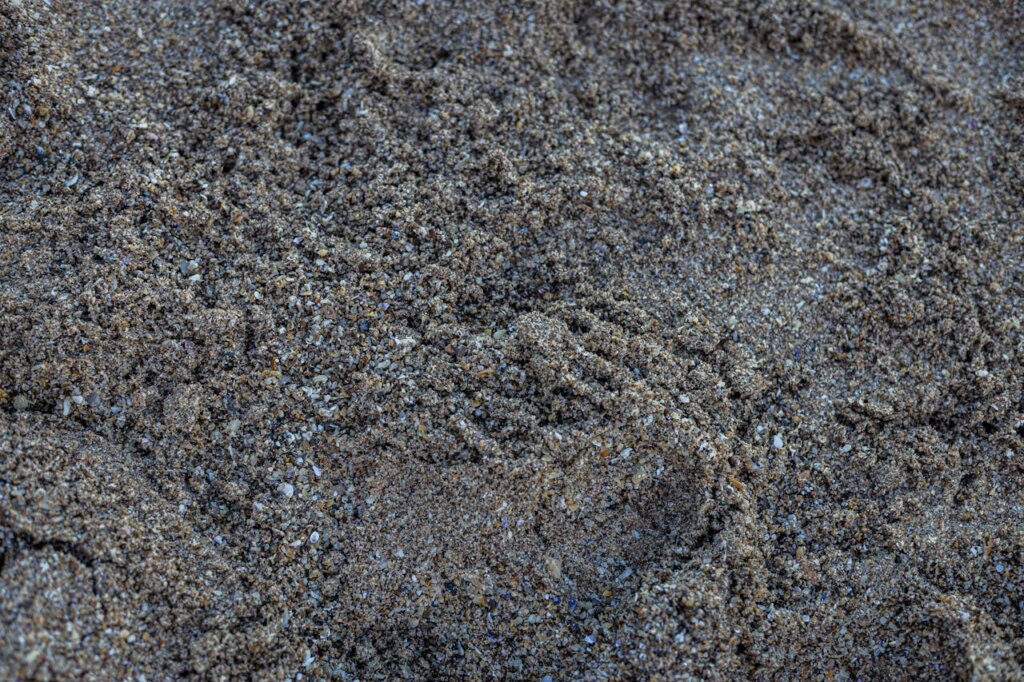
How to Calculate Sand Needed for a Paver Patio
To estimate the amount of bedding sand required, you need three measurements:
- The length of the patio
- The width of the patio
- The desired sand depth
For example, a 20-foot-long by 15-foot-wide patio has an area of 300 square feet. A 1-inch layer of sand over that area requires approximately 25 cubic feet of sand, which is roughly 0.9 cubic yards.
Because sand compacts and some material is lost during installation, ordering slightly more than the calculated amount is usually recommended.
A professional supplier can help confirm the correct quantity based on your project measurements and the specific sand product being delivered.
Do You Need More Sand for the Base Layer?
This is where many DIY patio projects go wrong.
The sand layer beneath pavers is not the foundation of the patio. A durable installation requires a properly prepared base layer beneath the sand.
The base is typically made from compactable aggregate materials that provide strength and load distribution. Products such as road base flex base are commonly used because they create a dense, stable foundation when properly compacted.
The typical structure of a paver patio looks like this:
Pavers → Bedding Sand → Compacted Aggregate Base → Prepared Soil
The thickness of the base layer depends on soil conditions and the expected use of the patio.
For a basic residential patio, the compacted base is often several inches thick, while areas with soft soil may require deeper excavation and additional support.
Can You Use Too Much Sand Under Pavers?
Yes, using too much sand is one of the most common installation mistakes.
A thick sand layer may feel easier to work with because it allows more adjustment, but it creates a weaker foundation. Over time, foot traffic, rain, and temperature changes can cause the pavers to move as the sand shifts underneath.
A proper installation uses enough sand to create a smooth bedding surface but relies on the compacted base underneath for strength.
The goal is not to create a deep sand cushion—it is to create a precise leveling layer.
Should Sand Go Under or Between Pavers?
Sand serves two different purposes in a paver patio.
Bedding sand goes underneath the pavers and creates a level installation surface.
Joint sand goes between the pavers and helps lock them together after installation.
These are different materials and perform different functions.
For the joints, many homeowners use polymeric sand because it hardens after activation and helps reduce weed growth and erosion. The bedding layer, however, requires a material designed to support and level the pavers.
Factors That Affect How Much Sand You Need
While the 1-inch guideline works for many residential patios, several factors can change the amount required.
The size and shape of the patio affect the total volume of sand needed.
The thickness and type of pavers also matter because thicker or heavier pavers may require different installation considerations.
Soil conditions are another major factor. A patio built on unstable clay soil may require additional excavation and a thicker compacted base, although this does not necessarily mean a thicker sand layer.
Climate and drainage conditions should also be considered, especially in areas with heavy rainfall or freeze-thaw cycles.
Common Mistakes When Using Sand for Paver Patios
One common mistake is installing pavers directly on loose sand without a proper compacted base. This often leads to movement and uneven surfaces.
Another mistake is failing to compact the sand and base properly. Even high-quality materials cannot perform well if they are not installed correctly.
Using the wrong sand type can also affect the finished patio. Fine construction sand or unwashed materials may not provide the stability needed for long-term performance.
Proper material selection and installation techniques are what separate a temporary patio from a durable outdoor surface.
Final Thoughts
So, how much sand do you need for a paver patio? For most residential installations, you need approximately 1 inch of properly selected bedding sand beneath the pavers.
However, the sand quantity is only one part of the project. A long-lasting patio depends on the complete installation system, including proper excavation, a stable compacted base, the correct bedding sand, and quality paver installation.
By choosing the right materials, such as reliable bedding sand and a strong aggregate base, and following proven installation practices, you can create a paver patio that remains level, attractive, and durable for many years. Select Sand & Gravel provides construction-grade materials designed to support residential and commercial outdoor projects with dependable performance.

