What Is Washed Concrete Sand? Characteristics and Primary Uses
When sourcing materials for a construction or landscaping project, the terminology can sometimes be confusing. You may hear contractors and suppliers frequently mention “concrete sand,” but there is a specific, high-quality version that is essential for many applications: washed concrete sand.
At Select Sand & Gravel, we have been providing premium aggregates to the Texas and Oklahoma regions since the early 1980s. Understanding the “washed” aspect of this material is vital for ensuring your project meets structural standards and handles drainage correctly.

Understanding Washed Concrete Sand
Washed concrete sand is a coarse-grained sand that has undergone a rigorous cleaning process. Unlike “pit sand” or bank-run sand, which may contain high levels of silt, clay, or organic matter, washed sand is mechanically rinsed and screened.
The Rinsing and Screening Process
During production, the raw sand is put through a series of water baths and vibrating screens. This process removes the “fines”—the microscopic particles of dust and clay that can compromise the strength of a concrete mix or clog a drainage system. What remains is a clean, sharp, and angular aggregate that is uniform in size and free of debris.
Physical Characteristics and Texture
The term “sharp sand” is often used interchangeably with washed concrete sand. This refers to the jagged, irregular shape of the individual grains. These angular edges are beneficial because they interlock when compacted, providing much better structural stability than the smooth, rounded grains found in play sand or beach sand.
What Is Washed Concrete Sand Used For?
Because it is clean and structurally sound, this material is incredibly versatile. Whether you are building high-rise foundations in Houston or a residential patio in San Antonio, washed concrete sand is likely part of the plan.
High-Strength Concrete and Mortar Production
The most common use for washed concrete sand is as a primary ingredient in concrete mixes. Because the clay and silt have been removed, the cement paste can bond directly to the clean surfaces of the sand grains. This results in a much stronger, more durable final product. It is the industry standard for sidewalks, driveways, and structural slabs throughout Dallas and Fort Worth.
The Ideal Bedding Layer for Pavers
For professional landscaping, washed concrete sand is the preferred “bedding” material. When laying pavers or natural stone, you need a base that is firm enough to prevent shifting but porous enough to allow water to drain through. Rinsed sand won’t hold onto excess moisture, which prevents the “heaving” often seen during the freeze-thaw cycles in Oklahoma City or the heavy rains of the Gulf Coast.
Septic Systems and Drainage Fields
In environmental and utility engineering, the permeability of your material is everything. Washed concrete sand is frequently used in septic tank lateral lines and drainage mounds. Because it lacks fine silt, it won’t “clump” or become impermeable over time, allowing wastewater to filter through the sand at a consistent, predictable rate.
Why The "Washed" Factor Matters for Your Project
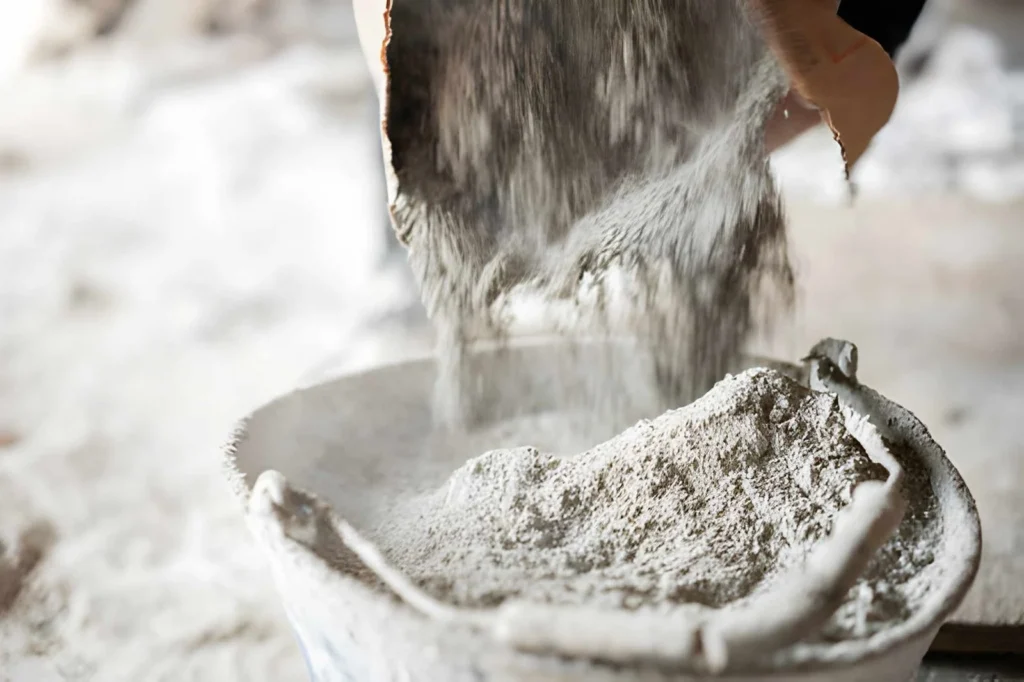
You might wonder if you can save money by using unwashed sand for your project. However, using unwashed material in structural applications can lead to significant issues.
- Structural Integrity: In concrete, excess clay particles prevent the cement from sticking to the sand, creating weak spots that eventually lead to crumbling.
- Drainage Efficiency: In landscaping, unwashed sand can turn into a muddy "sludge" when wet, trapping water against your pavers or foundation rather than letting it move into the subsoil.
- Aesthetic Cleanliness: For decorative projects or sand-based paths, washed sand provides a much cleaner, consistent look without the dusty residue associated with raw pit sand.
Reliable Delivery and Expertise with Select Sand & Gravel
At Select Sand & Gravel, we understand that the quality of your aggregate is the foundation of your reputation. As an employee-owned company, every member of our team is dedicated to the principle of delivering materials that meet your exact specifications—when and where you need them.
From Midland/Odessa to Austin, we provide flexible hauling options to fit any site. Our fleet of Tandem Dump Trucks, End-Dump Trailers, and Dump Truck & Pups ensures that we can navigate tight residential driveways or sprawling commercial construction sites with ease.
Conclusion: Choosing the Right Sand for the Job
Washed concrete sand is a fundamental building block of modern infrastructure. Its clean, sharp, and durable nature makes it the superior choice for everything from high-strength building foundations to elegant backyard patios. By removing the silt and clay through the washing process, you are left with an aggregate that performs better, lasts longer, and drains more effectively.
[Explore our Washed Sand and Concrete Aggregates here] and request a quote for your next project in Texas or Oklahoma.

