How Long Does a Recycled Asphalt Driveway Last?
A recycled asphalt driveway can be a durable, affordable, and environmentally friendly alternative to traditional asphalt paving or gravel. However, one of the most common questions homeowners ask before choosing this material is: how long does a recycled asphalt driveway last?
A properly installed recycled asphalt driveway can typically last 10 to 20 years or more, depending on factors such as installation quality, climate, traffic levels, drainage, and maintenance. In some cases, a well-maintained recycled asphalt surface can perform even longer.
The lifespan is not determined by the recycled material itself but by how well the driveway is prepared, compacted, and maintained over time.
What Is Recycled Asphalt?
Recycled asphalt, also known as reclaimed asphalt pavement (RAP), is made from old asphalt pavement that has been removed from roads, parking lots, and other paved surfaces.
The reclaimed material is crushed, screened, and processed into a reusable aggregate. Unlike ordinary gravel, recycled asphalt contains leftover asphalt binder from the original pavement.
This residual asphalt is one of the reasons recycled asphalt can create a strong, compact surface. When properly installed, the particles bind together, creating a driveway surface that is more stable than many traditional loose gravel options.
Materials such as recycled asphalt are commonly used for residential driveways, rural roads, parking areas, and construction access roads.
Average Lifespan of a Recycled Asphalt Driveway
The expected lifespan of a recycled asphalt driveway is generally between 10 and 20 years, but the actual performance depends heavily on installation and site conditions.
A driveway installed on a properly prepared foundation with good drainage and adequate compaction will typically last much longer than one placed directly over unstable soil.
For comparison, a traditional hot-mix asphalt driveway may last around 15 to 25 years when properly installed and maintained. Recycled asphalt may not always match the lifespan of professionally paved asphalt, but it can provide excellent value when installed correctly.
The main advantage is that recycled asphalt delivers many of the benefits of asphalt pavement at a lower cost.
Factors That Affect How Long Recycled Asphalt Lasts
Several factors influence the durability of a recycled asphalt driveway.
Quality of Installation
Installation quality is one of the most important factors affecting driveway lifespan.
A properly installed recycled asphalt driveway requires more than simply spreading material over the ground. The area should be graded, the soil should be prepared, and the recycled asphalt should be placed and compacted correctly.
Proper compaction helps the particles lock together and allows the remaining asphalt binder to help stabilize the surface.
Poor installation can lead to early problems such as ruts, potholes, and uneven areas.
Base Preparation
The foundation beneath the recycled asphalt is critical.
A driveway built over weak, soft, or poorly drained soil may begin settling regardless of the quality of the surface material.
Many contractors use a strong aggregate base beneath driveway surfaces to improve stability. Materials such as road base flex base are commonly used because they provide a compact, load-bearing foundation.
A strong base helps distribute vehicle weight and reduces movement over time.
Drainage Conditions
Water is one of the biggest threats to driveway durability.
Poor drainage can weaken the soil beneath the driveway, causing the surface to shift, crack, or develop potholes.
A properly designed driveway should allow water to move away from the surface instead of collecting underneath.
Installing the correct slope and maintaining drainage paths can significantly extend the life of recycled asphalt.
Amount of Traffic and Weight
A recycled asphalt driveway used only by passenger vehicles will generally last longer than one exposed to frequent heavy truck traffic.
Heavy equipment, delivery trucks, and commercial vehicles place greater stress on the surface and may require a thicker base and stronger installation approach.
For residential driveways, recycled asphalt often provides excellent performance when properly compacted.
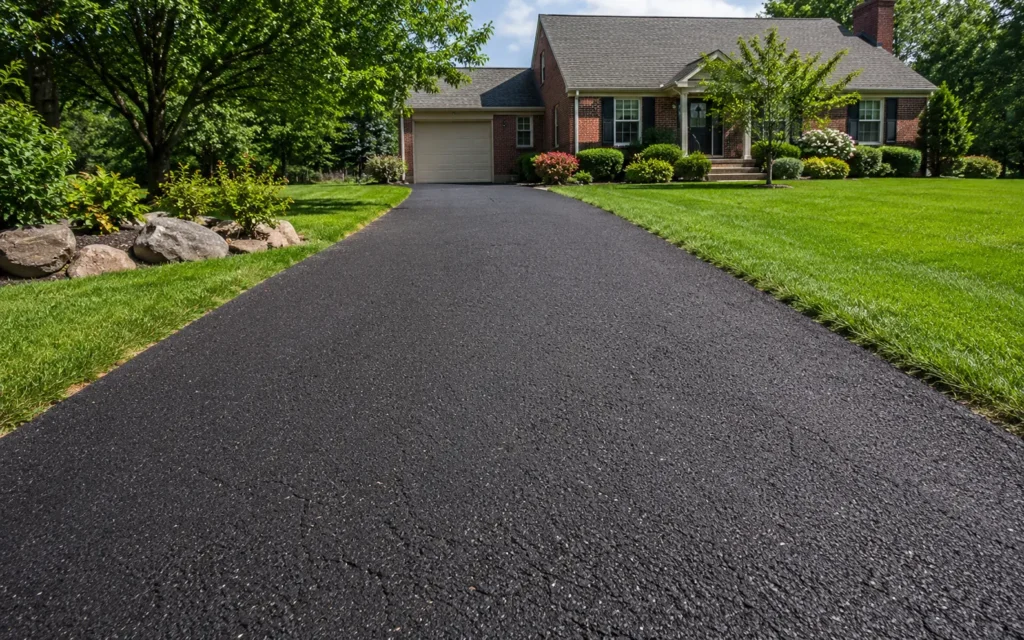
Does Recycled Asphalt Get Hard Over Time?
Yes, recycled asphalt often becomes harder and more stable over time.
One of the unique characteristics of recycled asphalt is that it contains old asphalt binder. With proper compaction, the material can gradually bond together.
Warm temperatures can help soften the asphalt particles slightly, allowing them to bind more effectively.
Over time, traffic pressure can further compact the surface, creating a dense driveway that feels more like pavement than loose gravel.
However, recycled asphalt does not become identical to newly paved asphalt. It remains a recycled aggregate material with its own performance characteristics.
How to Extend the Life of a Recycled Asphalt Driveway
Proper maintenance can significantly increase driveway lifespan.
Regular grading and addressing low areas early can prevent small issues from becoming major repairs.
Keeping drainage areas clear helps prevent water-related damage.
Applying additional recycled asphalt material and compacting it when needed can restore worn areas and maintain a smooth driving surface.
Some property owners also choose to apply asphalt-based sealants, although the suitability of sealing depends on the condition and type of recycled asphalt installation.
Recycled Asphalt vs Gravel Driveway Lifespan
Compared with a traditional gravel driveway, recycled asphalt often requires less maintenance because it binds together more effectively.
Gravel surfaces can shift under vehicle traffic and may require frequent reshaping or adding new material.
Recycled asphalt typically forms a more stable surface after compaction, reducing loose stone movement.
However, both materials can perform well when installed correctly. The best choice depends on budget, appearance preferences, traffic levels, and maintenance expectations.
Signs Your Recycled Asphalt Driveway Needs Repair
Even a well-built driveway will eventually require attention.
Common signs that maintenance may be needed include:
- Developing potholes
- Deep tire ruts
- Areas where water collects
- Loose or uneven sections
- Surface erosion near edges
Addressing these problems early can help prevent more extensive repairs.
Is a Recycled Asphalt Driveway Worth It?
For many homeowners and property owners, recycled asphalt is a practical investment.
It provides a durable driving surface, reduces the need for new quarry materials, and often costs less than traditional asphalt paving.
While it may not have the perfectly smooth appearance of a newly paved asphalt driveway, it offers excellent functionality and long-term value when installed properly.
The key is working with quality material and following proper installation practices.
Final Thoughts
So, how long does a recycled asphalt driveway last? A properly installed and maintained recycled asphalt driveway can typically last 10 to 20 years or longer.
Its durability depends on several factors, including base preparation, drainage, compaction, traffic conditions, and ongoing maintenance.
Recycled asphalt is not simply a cheaper alternative—it is a reliable construction material that can provide years of dependable performance when used correctly.
By choosing quality recycled asphalt from an experienced supplier like Select Sand & Gravel and ensuring proper installation, homeowners and contractors can create a durable driveway solution that offers both economic and environmental benefits.

