Does Polymeric Sand Harden Like Concrete? Understanding the Reality
When finishing a paver patio or a stone walkway, the “final touch” is often the most debated. Homeowners and contractors alike frequently ask: “Does polymeric sand harden like concrete?” The answer is a nuanced mix of physics and chemistry.
While polymeric sand is designed to become very firm and resist erosion, it is fundamentally different from concrete in its composition, flexibility, and intended lifespan. Understanding these differences is crucial for anyone managing a landscaping project in the variable climates of Texas and Oklahoma, where heat and soil movement are constant factors.
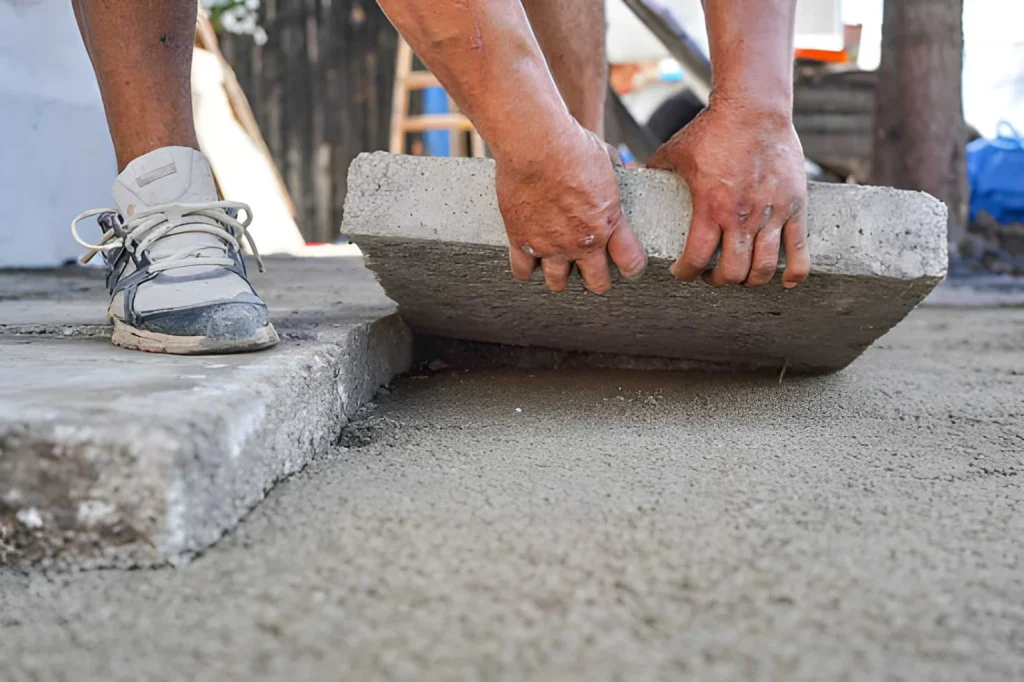
How Polymeric Sand Actually Works
To understand if it hardens like concrete, we first have to look at what it is made of. Polymeric sand is a blend of graded sand and chemical additives—usually polymers or binders. When these dry chemicals are exposed to water, they undergo a reaction that “glues” the sand particles together.
The Curing Process vs. The Hydration Process
Concrete hardens through a chemical process called hydration. Once concrete cures, it becomes a permanent, rigid rock-like mass. Polymeric sand, however, undergoes a curing process that creates a flexible bond. While it feels “hard” to the touch once dry, it is technically an elastomeric material. This means it can withstand slight movements in the earth without cracking immediately, unlike a thin strip of concrete.
The "Re-activation" Property
One major difference between polymeric sand and concrete is that many high-quality polymeric sands are “self-healing.” If a small crack develops due to ground shifting in North Texas clay, the next time it rains, the polymers can slightly soften and re-bond. Concrete, once cracked, remains cracked until it is physically repaired.
Polymeric Sand vs. Concrete Sand: Which is Right for You?
In the aggregate industry, we often distinguish between specialized chemical sands and traditional construction sands like concrete sand.
Concrete Sand Characteristics
At Select Sand & Gravel, we provide vast quantities of concrete sand (also known as sharp sand or bedding sand). Unlike polymeric sand, concrete sand is a natural product that has been washed and screened. It has jagged, angular grains that allow them to “lock” together mechanically rather than chemically.
Structural Support vs. Joint Filling
- Concrete Sand: This is the industry standard for the bedding layer beneath your pavers. It provides the structural support and drainage necessary to keep the patio from sinking. It does not "harden," which is actually a benefit for the base layer as it allows for natural drainage.
- Polymeric Sand: This is strictly a joint-filling material. It is swept into the gaps after the pavers are set. It is not meant to be used as a base or a leveling medium.
Factors That Affect the Hardness of Polymeric Sand
If you have used polymeric sand and found it didn’t harden as expected, several environmental factors might be at play.
Moisture and Drainage
For polymeric sand to harden correctly, it must dry out completely after the initial wetting. If the sub-base (the layers of crushed rock and concrete sand beneath the pavers) doesn’t drain well, the sand will stay “mushy” and eventually fail. This is why a proper professional-grade base is the most important part of any stone project.
Joint Depth and Width
Polymeric sand requires a specific “mass” to harden effectively. If the joints between your stones are too shallow or too wide, the polymers may not be able to create a strong enough bridge. Most manufacturers recommend a minimum depth of 1 to 1.5 inches for the sand to achieve its maximum strength.
Durability: Will It Last as Long as Concrete?
While polymeric sand provides a very firm joint that prevents weed growth and ant hills, it is not a “forever” solution like a poured concrete slab. Over several years, the polymers will eventually break down due to UV exposure and heavy rain. Most professional landscapers expect to “top off” or refresh polymeric sand every 3 to 5 years.
Concrete, by contrast, is a structural element. However, concrete joints between pavers (mortar) are highly prone to cracking in the expansive soils found in Midland/Odessa or Oklahoma City. In these regions, a flexible joint—like that provided by sand—is often preferred over a rigid concrete joint.
Summary of Key Differences
Feature | Polymeric Sand | Concrete / Mortar |
Flexibility | High (Elastomeric) | Low (Brittle) |
Hardness | Firm/Rubbery | Rigid/Rock-like |
Repair | Self-healing with water | Manual patch required |
Primary Use | Filling paver joints | Structural slabs/Bonding |
Ultimately, while polymeric sand mimics some of the protective qualities of concrete—such as resisting washouts and pests—it is designed to be a flexible partner to your stonework rather than a rigid replacement for cement.

