Cushion Sand vs Select Fill: What’s the Difference and Which One Should You Use?
Choosing the right base material is one of the most important decisions in any construction or landscaping project. Two commonly used materials in Texas and Oklahoma are cushion sand and select fill. While they may seem similar at first glance, they serve very different purposes and are not interchangeable.
Understanding cushion sand vs select fill helps ensure proper ground preparation, structural stability, and long-term performance. Using the wrong material can lead to shifting, drainage issues, or even structural failure over time.
This guide explains the differences between these two materials, their uses, and how to choose the right one for your specific project.
What Is Cushion Sand?
Cushion sand is a fine, soft sand commonly used as a leveling and bedding material. It is known for its smooth texture and ability to spread and compact evenly, making it ideal for applications where surface precision is important.
This type of sand is widely used in paver installations, playground areas, and utility bedding projects. Its flexibility allows it to fill small gaps and create a uniform surface that supports materials placed on top.
For example, high-quality cushion sand is often used beneath pavers or pipes because it provides a stable yet adjustable base layer. It also promotes proper drainage, which helps prevent water buildup and surface instability.
What Is Select Fill?
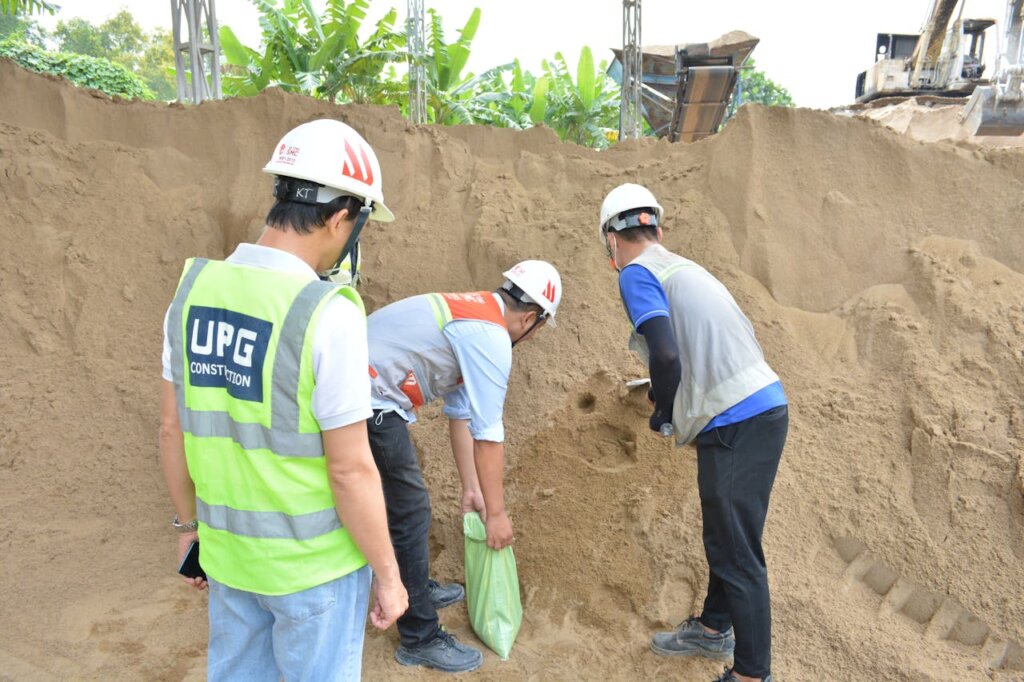
Select fill is a compactable soil material used primarily for structural support and elevation. Unlike cushion sand, it is not designed for leveling or fine surface work. Instead, it is used to build up ground levels and create a strong foundation for construction.
Select fill typically contains a mix of clay, sand, and other natural materials, giving it the ability to compact tightly and support heavy loads. This makes it suitable for large-scale construction projects such as building pads, roadways, and foundation preparation.
Materials like select fill dirt are commonly used to stabilize the ground before adding base layers or other construction materials. It is especially useful in areas where soil conditions are poor or uneven.
Key Differences Between Cushion Sand and Select Fill
The main difference between cushion sand and select fill lies in their function and composition. Cushion sand is a fine material designed for leveling and bedding, while select fill is a denser material used for structural support.
Cushion sand is easier to work with when precise placement is required. It spreads smoothly and allows for adjustments during installation, which is essential in applications like paver systems or pipe bedding.
Select fill, on the other hand, is designed to be compacted into a firm and stable base. It is not intended for fine leveling but rather for creating a solid foundation that can support additional layers such as base aggregates or surface materials.
Another key difference is drainage. Cushion sand allows water to pass through easily, making it suitable for areas where moisture control is important. Select fill, depending on its composition, may retain more moisture and is used more for structural stability than drainage.
When to Use Cushion Sand
Cushion sand is best used in applications where surface smoothness and adjustability are required. It is commonly used as a bedding layer beneath pavers, stones, or utility lines.
Because of its fine texture, it helps create a level surface and allows materials to settle evenly during installation. It also reduces stress on pavers and pipes by distributing weight more uniformly.
In many projects, cushion sand is used in combination with other materials such as road base flex base to create a complete system. The base provides strength, while the sand provides a smooth finishing layer.
When to Use Select Fill
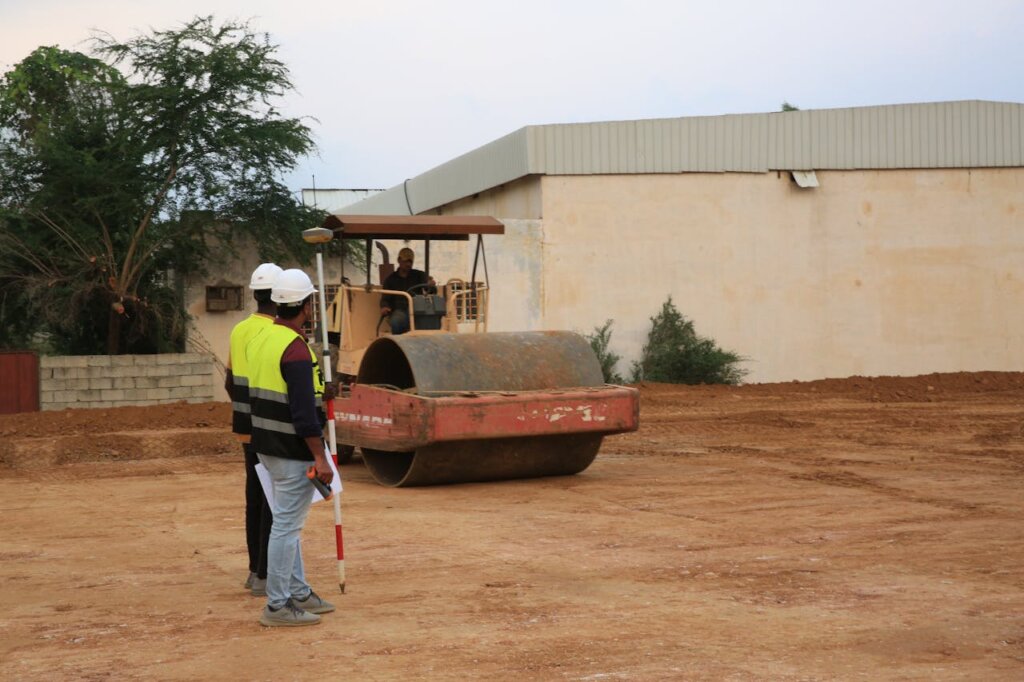
Select fill is the preferred choice when structural support and ground elevation are the primary goals. It is commonly used to build up low areas, prepare construction sites, and create a stable base for foundations.
Because it compacts tightly, select fill helps prevent settling and shifting over time. It is often used before adding other materials such as crushed stone or sand layers.
In large-scale construction projects, select fill acts as the foundational layer that supports everything above it. Without it, the stability of the entire structure can be compromised.
Can Cushion Sand and Select Fill Be Used Together?
In many projects, cushion sand and select fill are used together as part of a layered system. Select fill is first used to create a stable and compacted base, especially in areas that require elevation or structural support.
Once the base is prepared, a layer of cushion sand is added on top to provide a smooth and level surface for the final installation. This combination ensures both strength and precision, which is essential for long-lasting results.
Using both materials correctly allows each to perform its intended role without compromising the integrity of the project.
Why Choosing the Right Material Matters
Using the correct material for each stage of a project directly impacts durability, performance, and maintenance. Cushion sand and select fill are designed for different purposes, and substituting one for the other can lead to problems.
High-quality materials also play a significant role. Working with a trusted supplier like Select Sand & Gravel ensures that both sand and fill materials are properly graded and suitable for their intended use.
Whether you are sourcing sand from reliable sand products or preparing a foundation with select fill, using the right material improves both installation and long-term performance.
Final Thoughts
Understanding cushion sand vs select fill is essential for making informed decisions in construction and landscaping projects. While cushion sand is ideal for leveling and bedding, select fill provides the structural support needed to build a strong foundation.
These materials are not interchangeable, but when used together correctly, they create a complete system that ensures stability, durability, and precision. Choosing the right material at each stage of your project can prevent costly issues and deliver long-lasting results.

