Cushion Sand vs Mason Sand: What’s the Difference and Which One Should You Use?
Choosing the right type of sand is essential for any construction or landscaping project. Two commonly used options are cushion sand and mason sand. While both are widely available and serve important roles, they are designed for very different applications.
Understanding cushion sand vs mason sand helps ensure you select the correct material for your project, whether you are installing pavers, working on masonry, or preparing a base layer. Using the wrong type of sand can lead to poor compaction, drainage issues, or structural instability over time.
This guide explains the differences between cushion sand and mason sand, their uses, and how to determine which one is right for your needs.
What Is Cushion Sand?
Cushion sand is a soft, fine sand typically used as a bedding or leveling material. It is not heavily processed, which gives it a slightly rougher texture compared to more refined sands. This texture allows it to compact moderately while still remaining flexible enough for adjustments during installation.
It is commonly used beneath pavers, utility lines, and landscaping features where a smooth, level surface is required. Materials like cushion sand are especially effective in creating a stable base layer that supports surface materials without locking them too rigidly in place.
Because of its ability to allow water to pass through, cushion sand also contributes to proper drainage, which helps prevent shifting and erosion in outdoor applications.
What Is Mason Sand?
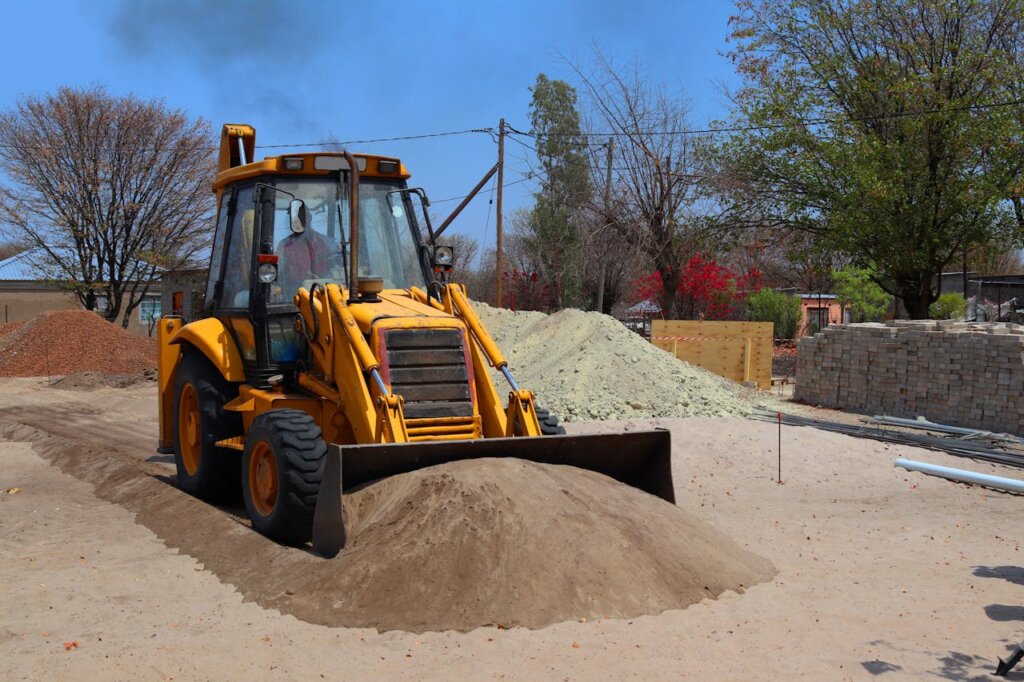
Mason sand, also known as masonry sand, is a finely processed sand that has been washed and screened to remove impurities. It has a smooth, uniform texture, making it ideal for applications that require a clean and refined finish.
This type of sand is commonly used in mortar mixes, plastering, and finishing work where appearance and consistency are important. It is also used in some landscaping applications, particularly where a smoother surface is desired.
Compared to cushion sand, mason sand is more refined and easier to shape, which makes it suitable for detailed work but less effective for structural bedding purposes.
Key Differences Between Cushion Sand and Mason Sand
The primary difference between cushion sand and mason sand lies in their texture, processing, and intended use. Cushion sand is less refined and contains a mix of particle sizes, which allows it to compact and provide stability in base applications.
Mason sand, on the other hand, is finely graded and washed, resulting in a smoother and more uniform material. This makes it better suited for finishing work rather than structural support.
Another important difference is how they behave under pressure. Cushion sand can support weight and adjust slightly without losing stability, making it ideal for bedding layers. Mason sand tends to shift more easily under load, which limits its effectiveness in applications that require long-term support.
These differences make each material suitable for specific uses rather than interchangeable options.
When to Use Cushion Sand
Cushion sand is best used in applications where stability and leveling are required. It is commonly placed beneath pavers, stones, or utility installations to create a smooth and supportive base.
In many projects, cushion sand is used in combination with stronger base materials such as road base flex base or crushed limestone. The base layer provides structural strength, while the cushion sand creates a level surface for final placement.
Because of its drainage properties and ease of use, cushion sand is a reliable choice for outdoor landscaping and construction projects.
When to Use Mason Sand
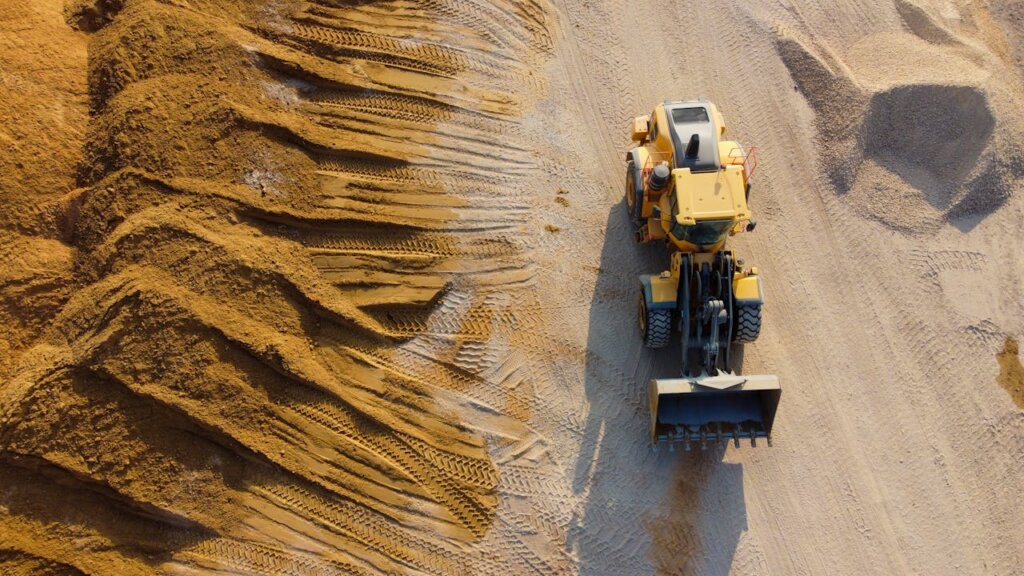
Mason sand is ideal for applications that require a clean finish and fine texture. It is commonly used in mortar for brick and stonework, as well as in plastering and other finishing tasks.
In landscaping, mason sand may be used in decorative applications or in areas where a smoother appearance is desired. However, it is generally not recommended as a primary bedding material for heavy loads or structural installations.
For projects that require both strength and finish, mason sand is often used alongside other materials rather than as a standalone solution.
Can Cushion Sand and Mason Sand Be Used Together?
In some cases, cushion sand and mason sand may be used together within the same project, but they serve different roles. Cushion sand is typically used as the base or bedding layer, while mason sand may be applied in finishing areas where a smoother texture is needed.
For example, a project might use cushion sand beneath pavers for stability, while mason sand is used in mortar joints or surface detailing. This combination allows each material to perform its specific function without compromising the overall structure.
Understanding how to use both materials effectively can improve both the durability and appearance of the final result.
Why Material Quality Matters
The quality of sand plays a significant role in the success of any project. Poor-quality sand with inconsistent particle sizes or contaminants can lead to uneven surfaces, poor drainage, and reduced durability.
Working with a trusted supplier like Select Sand & Gravel ensures access to properly graded and reliable materials. Whether you are sourcing cushion sand or exploring other options within sand products, using high-quality materials helps achieve consistent and long-lasting results.
Proper material selection not only improves installation but also reduces the need for future maintenance or repairs.
Final Thoughts
Understanding cushion sand vs mason sand is essential for choosing the right material for your construction or landscaping project. While cushion sand is best suited for bedding and leveling, mason sand is ideal for finishing and detailed work.
These materials are not interchangeable, but when used correctly, they complement each other and contribute to a successful project. Selecting the right sand for the right purpose ensures better performance, improved durability, and a more professional final result.

