Best Sand for Construction – Insights & Things to Look For
Best Sand for Construction: Top Types & Their Uses
Choosing the best sand for construction projects isn’t just about getting what’s readily available. You must understand how the right material contributes to the structure’s strength, stability, and longevity.
Sand is one of the most commonly used construction materials, but not all sand is the same. From concrete work to plastering, different types of sand serve various purposes.
Knowing the top types and their specific applications in construction will help you choose the best material for your build.
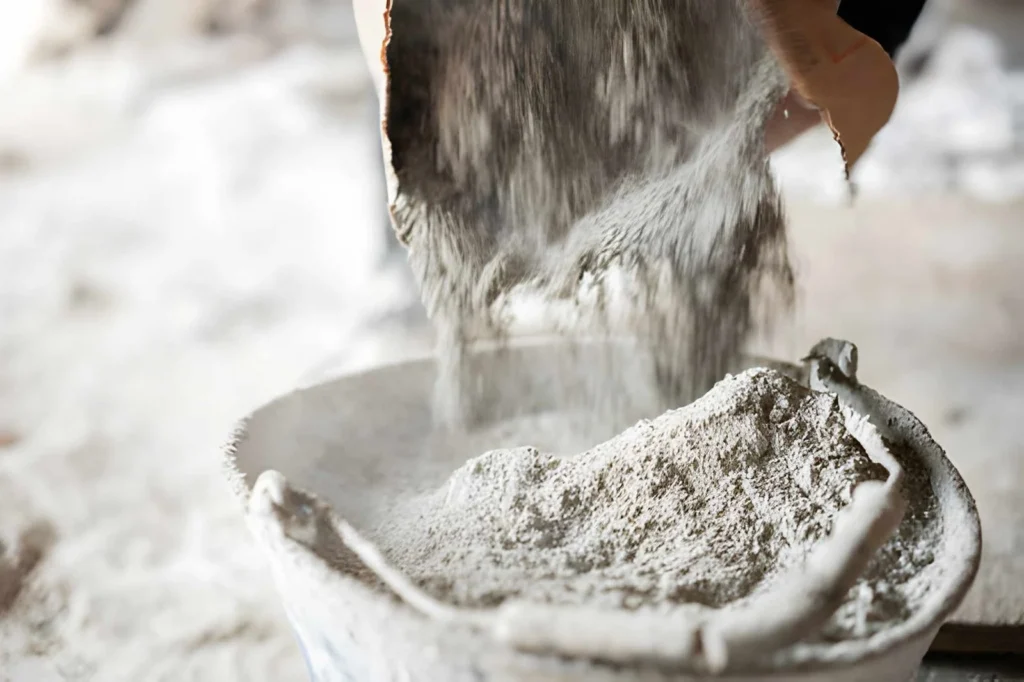
Why Your Choice of Sand Used in Construction Matters
The sand you choose plays a bigger role in your construction project than you might think. Quality materials provide a solid foundation for a long-lasting build; sand is no exception.
You’ll want something that compacts well, which helps create a dense, stable base. It should also offer good water filtration to protect your structure from moisture and weather.
When you choose the right type of sand, the results speak for themselves. Your project will run more smoothly, meet applicable building codes and regulations, and deliver the high-quality finish your clients expect.
Factors to Consider When Choosing Sand for Your Building Projects
Choosing the best sand for construction is vital to the outcome of the project. Consider these factors before making your choice.
Texture and Quality
The texture and quality of the sand affect the strength and longevity of materials during construction activities. High-quality sand should not have impurities like organic matter. Fine-grit construction sand, like masonry sand, has a variety of applications and creates a smooth finish.
Particle Size and Gradation
The particle size and gradation of sand greatly affect compaction and long-term stability. A well-graded mix with several particle sizes packs down tightly, creating a solid base that holds up over time. There will be less shifting, less settling, and enhanced structural support from the ground up.
Moisture Content
Getting the moisture level right in your sand makes a noticeable difference. When the balance is just right, that sand is easier to work with and compacts more effectively.
When there is too much moisture, it becomes clumpy and more challenging to spread evenly. Without enough moisture, there will be dust, and it will bond poorly with other materials. Hitting the sweet spot helps you get the consistency you need for a smoother, stronger build.
Types of Sand for Construction
Before choosing the best sand for construction, you must understand the various types and how they are used.
Concrete Sand
Concrete sand is a type of coarse sand. Impurities are removed from it once it goes through a washing process. This type of sand used in construction is best for concrete mixes and as a base layer for outdoor hardscaping.
It has a coarse texture, which promotes good drainage within the concrete mix. This draining adds to the overall stability and strength of the final structure.
Coarse Sand
Coarse sand, also called pit sand, comes from natural deposits. Its texture is gritty, making it perfect for foundational construction. The coarseness allows water to flow through, which enables good draining.
Fill Sand
Fill sand is a finer grain. It comes from riverbeds and is washed and graded to have a coarse texture.
Contractors use this type of construction sand for many projects because it is contaminant-free and has a rough texture. It is commonly used as a sub-base in road construction, parking lots, and foundations.
Fine Sand
Fine sand has some of the smallest particles. It has a smooth texture and is more compact compared to coarse sand. It can be easily packed and molded to create various shapes or smooth finishes on walls. Fine sand is also helpful for filling voids and cracks, making it useful in mortar and grout.
This material is softer than others, making it an excellent choice for children’s play areas. It also creates a stable base for flooring and paving.
M-Sand
M-sand, or manufactured sand, is made by crushing hard rocks. It has a consistent particle size and closely resembles river sand. M-sand is often used for plastering, concrete production, and general construction that requires high-quality sand.
Utility Sand
Utility sand, sometimes called pipe sand, is known for its coarse texture that compacts easily. In the construction industry, it can be used for filling voids in pipe bedding, landscaping, and large excavated areas.
Beach Sand
Beach sand is another type of fine sand. It is most commonly used for creating a beach, such as on a volleyball court or playground. It is not common to use this type of sand for making concrete structures because it has a higher salt content that absorbs moisture and creates dampness.
What Is the Best Sand for Construction?
There is no single best sand for construction. It depends on the needs of your specific construction site. Some need building materials with the high strength of coarse sand, while others need the smooth finished surface that finer particles create.
However, one thing remains constant — always choose a quality product to ensure you get the desired results.

