What Is Fill Dirt Used For? Guide to Grading, Foundations, and Landscaping Projects
Fill dirt is a fundamental material in construction and landscaping, primarily used to create stable, level surfaces and support structures. Unlike topsoil, which contains organic matter for plant growth, fill dirt is typically made from subsoil with minimal organic content. This makes it ideal for projects where strength, compaction, and long-term stability are required.
From residential landscaping to large-scale construction, fill dirt plays a critical role in preparing land and ensuring that structures are built on a solid foundation. Reliable suppliers like Select Sand & Gravel provide high-quality common fill dirt for projects across Texas and Oklahoma.
Land Leveling and Site Preparation
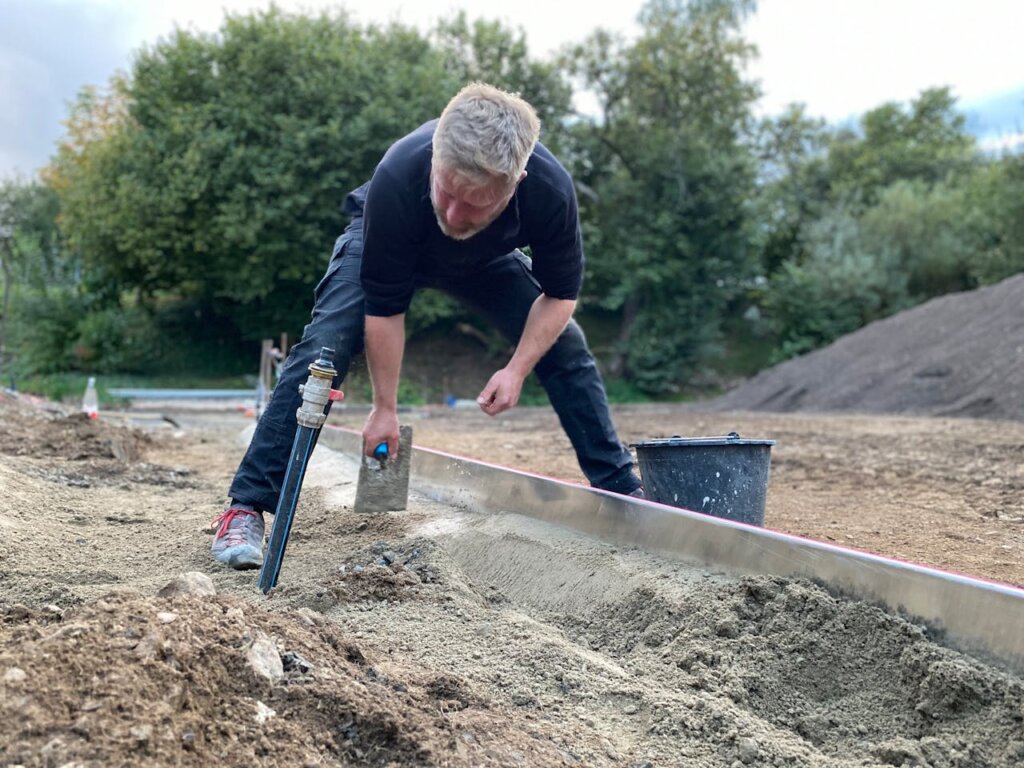
One of the most common uses of fill dirt is leveling uneven ground. Before construction begins, the land often needs to be graded to create a smooth and stable surface.
Fill dirt is used to:
Raise low areas
Fill holes and depressions
Create a uniform base for building
Proper site preparation is essential for preventing future issues such as drainage problems or uneven settling. By compacting fill dirt in layers, contractors can ensure the ground is stable enough to support structures.
Road and Driveway Construction
Another important use of fill dirt is in road and driveway construction. Before adding gravel, asphalt, or concrete, a stable base layer is required.
Fill dirt helps:
Build up the ground to the desired height
Provide a compact base layer
Improve load distribution for vehicles
For long-lasting results, contractors often combine fill dirt with aggregates such as crushed limestone or other materials from rock and gravel products to enhance durability.
Foundation and Structural Support
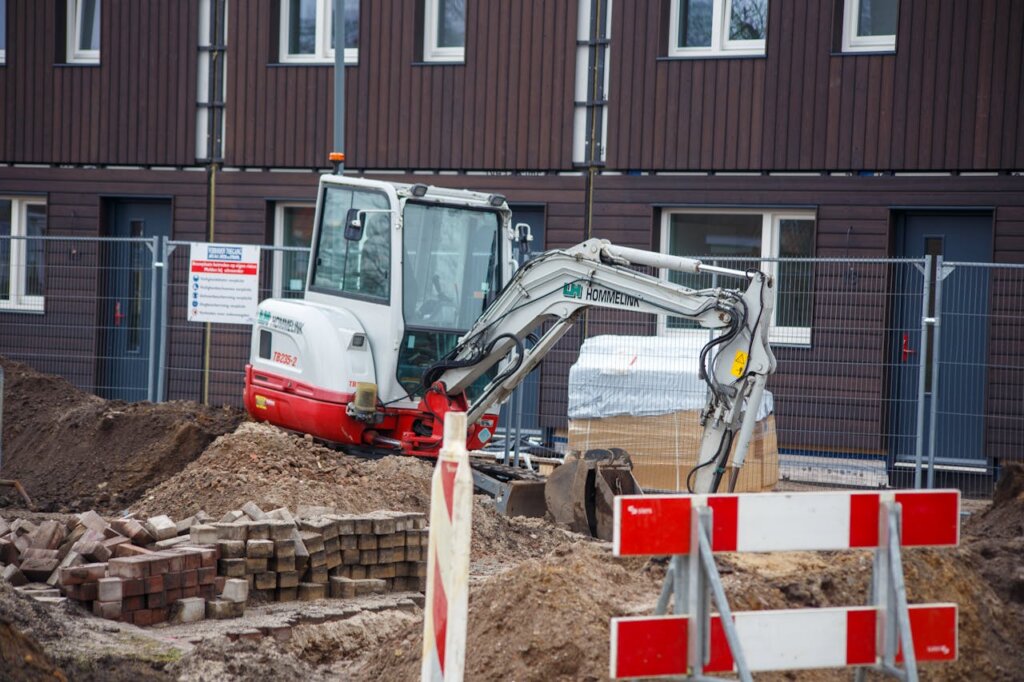
Fill dirt is widely used in construction to provide support for foundations and heavy structures. Because it compacts tightly and contains little organic material, it doesn’t break down over time like topsoil.
Common applications include:
Backfilling around building foundations
Supporting retaining walls
Preparing base layers for concrete slabs
In many cases, fill dirt is used alongside materials like road base or flex base to create strong, load-bearing surfaces for roads and driveways.
Landscaping and Grading Projects
Fill dirt is also commonly used in landscaping to reshape land and improve drainage. While it is not ideal for growing plants on its own, it plays a key role in preparing outdoor spaces.
Typical landscaping uses include:
Raising yard levels
Creating slopes for proper drainage
Filling in low or flooded areas
Building up areas for patios or walkways
After shaping the land with fill dirt, a layer of topsoil is usually added to support grass, plants, or gardens. This combination ensures both structural stability and healthy plant growth.
Erosion Control and Land Stabilization
Fill dirt is often used to prevent soil erosion and stabilize land, especially in areas prone to water runoff or shifting soil.
By filling and compacting soil in vulnerable areas, it helps:
Reduce erosion caused by rain or water flow
Strengthen slopes and embankments
Improve overall land stability
In some cases, fill dirt may be used together with stone materials like riprap to protect against erosion in high-impact areas.
Utility and Construction Projects
Fill dirt is essential for various utility and infrastructure projects. It is commonly used to fill trenches after installing pipes, cables, or drainage systems.
Its benefits include:
Providing support for underground utilities
Protecting pipes from movement or damage
Restoring ground level after excavation
Because fill dirt compacts well, it helps maintain the integrity of the surrounding soil and prevents future settling.
Final Thoughts
So, what is fill dirt used for? It is a versatile material used in land leveling, foundation support, road construction, landscaping, and erosion control. Its ability to compact tightly and provide a stable base makes it an essential part of both small residential projects and large-scale construction work.
Whether you are preparing a building site, improving drainage, or reshaping your landscape, using high-quality fill dirt from a trusted supplier like Select Sand & Gravel ensures your project starts with a strong and reliable foundation.

