Can Asphalt Be Recycled? Everything You Need to Know About Reclaimed Asphalt
As sustainability becomes a major focus in construction and infrastructure, many contractors and property owners are asking an important question: can asphalt be recycled? The answer is yes—and not only is it recyclable, but it is also one of the most reused construction materials in the world.
Recycled asphalt, often referred to as reclaimed asphalt pavement (RAP), is widely used in road construction, driveways, and base layers. It offers a cost-effective, environmentally friendly alternative to new materials while maintaining strong performance and durability.
In this guide, we’ll explore how asphalt recycling works, its benefits, common applications, and why it continues to grow in popularity across Texas and Oklahoma.
What Is Recycled Asphalt?
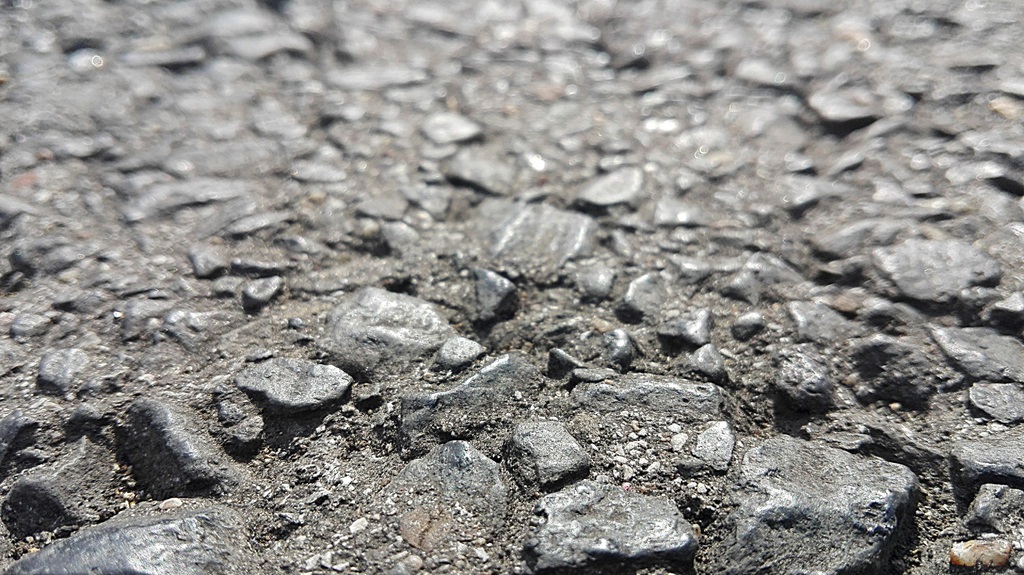
Recycled asphalt is created by removing old asphalt from roads, parking lots, or construction sites and processing it for reuse. Instead of being discarded as waste, the material is crushed and screened to create a reusable aggregate.
This recycled material contains a combination of stone, sand, and asphalt binder, which allows it to bond and compact effectively when reapplied. In many cases, recycled asphalt can perform similarly to new asphalt when properly installed.
It is commonly used alongside other aggregate materials such as crushed concrete and road base flex base, depending on the project requirements.
How Asphalt Recycling Works
The process of recycling asphalt involves several steps, each designed to ensure the material is clean, consistent, and ready for reuse.
Collection and Removal
Old asphalt is removed from existing surfaces using milling machines or excavation equipment.
Crushing and Screening
The removed asphalt is crushed into smaller pieces and screened to achieve uniform sizing.
Rebinding Process
The recycled material still contains asphalt binder, which helps it stick together when compacted. In some cases, additional binder or stabilizing materials may be added.
Reapplication
The processed asphalt is then used in new construction projects, either as a base layer or as part of a new asphalt mix.
This efficient process reduces waste and minimizes the need for new raw materials.
Benefits of Recycling Asphalt
Recycled asphalt is not just environmentally friendly—it also offers several practical and economic advantages.
- Reduces construction waste sent to landfills
- Lowers material costs compared to new asphalt
- Requires less energy to produce
- Provides strong compaction and durability
- Improves sustainability in construction projects
These benefits make recycled asphalt a preferred choice for contractors working on both small and large-scale projects.
Common Uses of Recycled Asphalt

Recycled asphalt is highly versatile and can be used in a wide range of applications. Its strength and compaction ability make it suitable for both residential and commercial projects.
Driveways and Private Roads
Recycled asphalt is commonly used for driveways because it compacts into a firm, stable surface. It is also more affordable than traditional paving.
Road Base and Foundation
It serves as an excellent base material for roads, parking lots, and construction projects. It is often used alongside materials like granite base or crushed limestone to enhance structural support.
Parking Lots and Pathways
Many property owners use recycled asphalt for parking areas and walkways due to its durability and cost efficiency.
Temporary Roads and Construction Access
Contractors frequently use recycled asphalt for temporary access roads because it is easy to install and remove.
Is Recycled Asphalt as Good as New Asphalt?
One of the most common concerns is whether recycled asphalt performs as well as new asphalt. In many cases, the answer is yes—especially when used for base layers or low-traffic surfaces.
Recycled asphalt contains aged binder, which can actually improve stiffness and durability in certain applications. However, for high-traffic highways or heavy-duty commercial use, it is often blended with new materials for optimal performance.
When sourced from a reliable supplier, recycled asphalt provides consistent quality and dependable results across various projects.
Environmental Impact of Asphalt Recycling
Asphalt recycling plays a significant role in reducing environmental impact within the construction industry. By reusing existing materials, it minimizes the need for new aggregate mining and reduces energy consumption.
Additionally, recycling asphalt helps lower greenhouse gas emissions and conserves natural resources. This makes it a sustainable choice for contractors and developers aiming to meet environmental standards and reduce their carbon footprint.
Using recycled materials alongside other aggregates like sand products and gravel contributes to more eco-friendly construction practices.
When Should You Use Recycled Asphalt?
Recycled asphalt is an excellent option in many scenarios, but it is especially beneficial when cost, sustainability, and functionality are key priorities.
It is ideal for:
Driveways and rural roads
Base layers for construction
Temporary surfaces
Budget-conscious projects
However, for projects requiring a polished finish or heavy load-bearing surfaces, combining recycled asphalt with other materials may be recommended.
Final Thoughts
So, can asphalt be recycled? Absolutely—and it is one of the most efficient and sustainable materials in modern construction. From reducing waste to lowering costs and supporting environmentally responsible building practices, recycled asphalt offers a practical solution for a wide range of applications.
Whether you are working on a driveway, road base, or large construction project, incorporating recycled asphalt can improve both performance and sustainability. When sourced from a trusted supplier, it delivers reliable results while helping reduce the environmental impact of your project.

