How to Seal a Recycled Asphalt Driveway for Long-Lasting Protection
Recycled asphalt driveways are a practical and cost-effective solution for residential and commercial properties. They offer durability, affordability, and a more sustainable alternative to traditional paving. However, like any surface material, they require proper care to maintain performance over time. One of the most effective ways to protect and enhance this surface is by understanding how to seal a recycled asphalt driveway.
Sealing helps bind loose particles, reduce dust, improve appearance, and extend the life of the driveway. Without sealing, recycled asphalt may remain soft in some areas, gradually lose material, or become uneven due to weather and traffic.
This guide explains how sealing works, when it should be done, and the proper method to achieve a firm, long-lasting surface.
Why Sealing Recycled Asphalt Is Important

Unlike traditional hot-mix asphalt, recycled asphalt contains aged binder that may not fully reactivate on its own. While compaction and heat help the material settle, sealing adds an extra layer of protection and cohesion.
A properly sealed surface becomes more resistant to water penetration, erosion, and dust formation. It also creates a darker, more uniform appearance that closely resembles newly paved asphalt.
Sealing is especially important for driveways that experience regular vehicle traffic or exposure to changing weather conditions. Over time, untreated recycled asphalt can loosen, particularly if the base layer is not fully stabilized with materials like road base flex base or crushed limestone.
When to Seal a Recycled Asphalt Driveway
Timing plays a key role in achieving the best results. Recycled asphalt should not be sealed immediately after installation. It needs time to settle, compact, and partially cure before applying any sealant.
In most cases, waiting a few weeks to a few months is recommended, depending on weather conditions and usage. During this time, traffic and sunlight help compact the surface and activate the remaining binder within the material.
Sealing too early can trap loose particles and prevent proper bonding, while sealing at the right time enhances surface strength and longevity.
Preparing the Driveway Before Sealing
Preparation is one of the most critical steps in the sealing process. A clean and stable surface allows the sealant to bond effectively and deliver long-term results.
The driveway should be cleared of dust, dirt, debris, and loose aggregate. Any uneven areas should be leveled, and soft spots should be compacted again if necessary. If the surface has significant instability, additional material such as crushed concrete may be added and compacted to reinforce the base.
A properly prepared surface ensures that the sealant adheres evenly and penetrates where needed.
Choosing the Right Sealant
Selecting the correct sealant is essential for achieving the desired hardness and protection. There are different types of sealants available, including asphalt-based emulsions and specialized binders designed for recycled asphalt surfaces.
The ideal sealant should be able to penetrate the surface slightly while forming a protective layer on top. This combination helps bind loose particles and reduce surface dust while maintaining flexibility.
In some cases, contractors use additional stabilizing materials or blends alongside sealants to improve performance, especially in high-traffic areas.
Applying the Sealant Properly
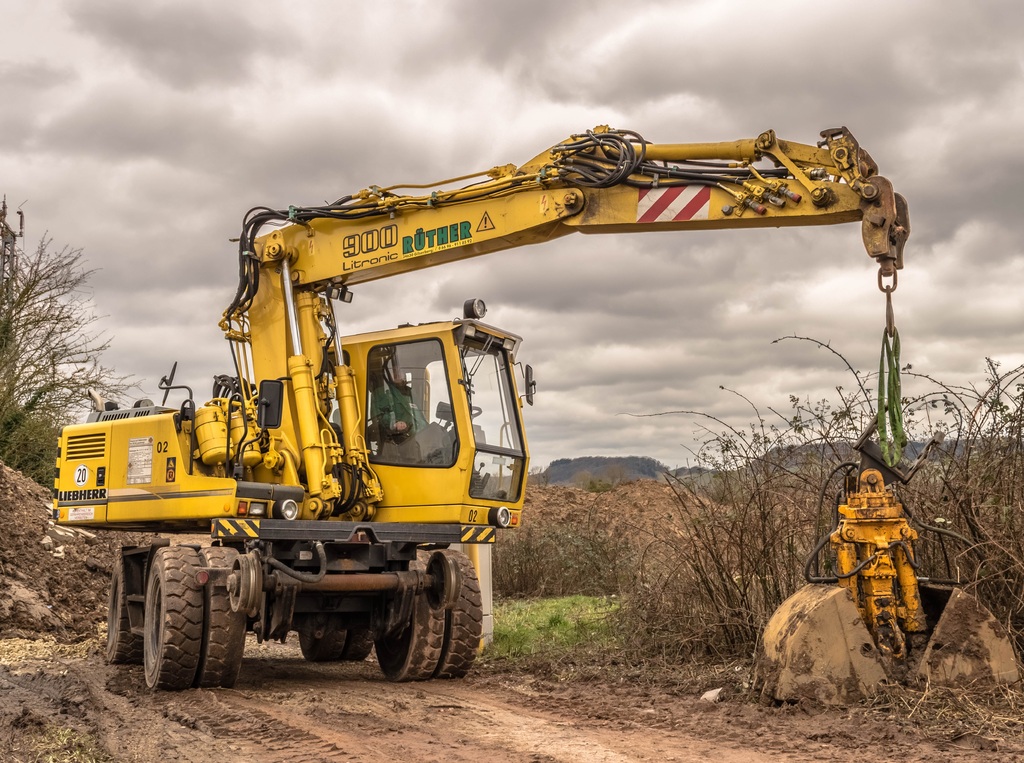
Once the surface is prepared and the sealant is selected, the application process can begin. The sealant is typically applied using a sprayer, squeegee, or brush, depending on the size of the driveway.
The goal is to achieve even coverage across the entire surface without over-saturating any specific area. Applying too much sealant can create a sticky or uneven finish, while too little may not provide sufficient protection.
After application, the driveway should be left undisturbed for a period of time to allow the sealant to cure. Weather conditions such as temperature and humidity will affect drying time, but warm and dry conditions generally produce the best results.
How Sealing Improves Driveway Performance
Sealing a recycled asphalt driveway significantly enhances its overall performance. It helps lock in the aggregate, reducing movement and preventing loose stones from spreading.
The sealed surface also becomes more resistant to water damage, which is one of the primary causes of surface deterioration. By limiting moisture penetration, sealing helps maintain the structural integrity of the driveway over time.
In addition, sealing reduces dust, which is a common issue with unsealed recycled asphalt. This creates a cleaner and more comfortable surface for daily use.
The Role of Quality Materials in Long-Term Results
The effectiveness of sealing is closely tied to the quality of the underlying material. High-quality recycled asphalt compacts better, bonds more effectively, and responds well to sealing treatments.
Sourcing materials from a reliable supplier like Select Sand & Gravel ensures consistency and performance. Whether the project involves recycled asphalt or complementary materials such as sand products for base preparation, using dependable materials leads to better long-term outcomes.
A strong foundation combined with proper sealing techniques results in a driveway that is both durable and visually appealing.
Final Thoughts
Understanding how to seal a recycled asphalt driveway is essential for maintaining its durability, appearance, and functionality. While recycled asphalt is already a strong and cost-effective material, sealing adds an extra layer of protection that extends its lifespan and improves performance.
With proper timing, surface preparation, and application, sealing transforms a loose or dusty surface into a firm, stable driveway that can withstand daily use and environmental conditions. When paired with high-quality materials and correct installation practices, a sealed recycled asphalt driveway becomes a reliable and long-lasting solution for any property.

