Landscape Rock vs. Mulch: Choosing the Best Ground Cover for Your Property
Deciding between landscape rock vs. mulch is one of the most significant choices you will make for your property’s exterior. Both materials serve as vital ground covers that protect your soil, suppress weeds, and enhance curb appeal, yet they offer drastically different benefits in terms of maintenance, cost, and long-term health for your plants.
At Select Sand & Gravel, we have been helping homeowners and commercial developers across Texas and Oklahoma navigate these options since the early 1980s. Whether you are looking for the vibrant, natural look of organic matter or the permanent, sleek finish of decorative stone, understanding the functional differences between these two materials is the key to a successful landscape.
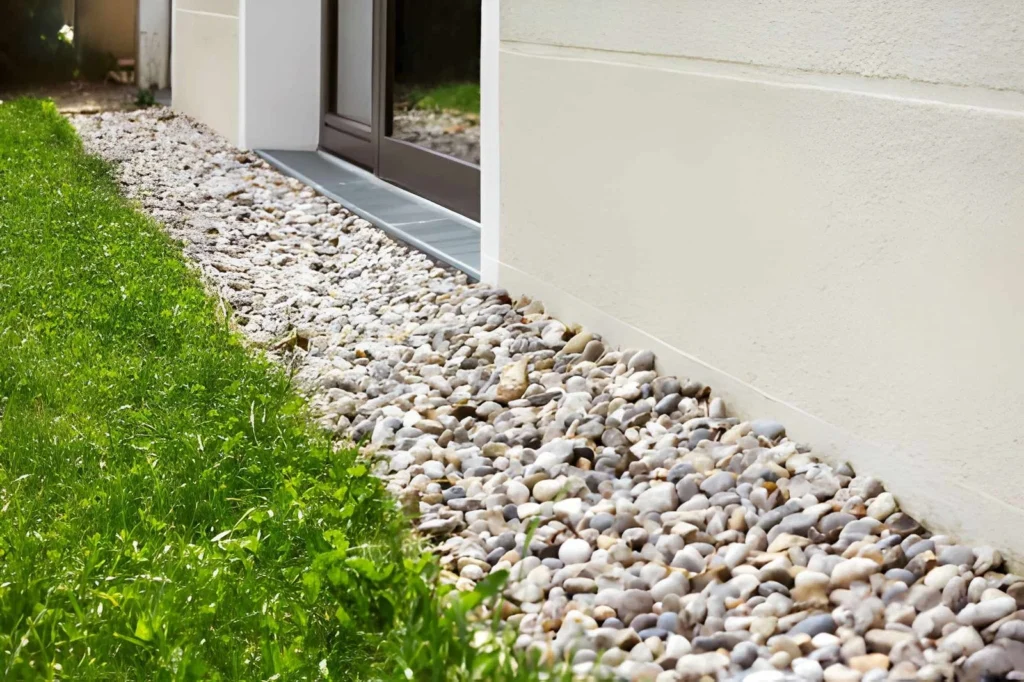
The Long-Term Benefits of Choosing Landscape Rock
Many property owners in regions like Midland/Odessa and San Antonio are turning toward landscape rock as a permanent solution for their garden beds. Unlike organic materials, stone does not break down over time, making it a “one-and-done” investment.
Exceptional Durability and Minimal Maintenance
The most obvious advantage of landscape rock vs. mulch is its longevity. Decorative aggregates, such as Colorado River Rock or Mexican Beach Pebbles, can last for decades without needing to be refreshed. While the initial cost of stone is higher than wood chips, you save money over time because you do not have to pay for annual replenishment. This makes stone an ideal choice for high-traffic areas or commercial properties in Houston and Dallas where recurring maintenance costs need to be kept to a minimum.
Superior Drainage and Erosion Control
In areas prone to heavy downpours, such as the Gulf Coast or during Oklahoma’s storm season, landscape rock provides superior drainage. Because stone is heavy and non-porous, it stays in place during a flood and allows water to seep through into the subsoil quickly. This prevents the “washout” effect often seen with light wood mulches. Furthermore, using a base of Crushed Rock or Road Base beneath your decorative stone can help manage runoff and prevent soil erosion around your home’s foundation.
The Biological Advantages of Using Organic Mulch
While stone offers permanence, organic mulch provides a biological boost to the soil that rocks cannot replicate. For many gardeners in Austin and Fort Worth, the health of the plants is the priority, leading them to choose wood-based covers.
Soil Enrichment and Nutrient Cycling
Mulch is essentially a slow-release fertilizer. As wood chips or bark decompose, they return essential nutrients to the earth, improving the soil structure and feeding beneficial microorganisms. This process is vital for the growth of delicate flowers and shrubs. If you have a garden focused on high-production floral displays or vegetables, the nutrient-rich environment provided by mulch is often superior to the inert nature of stone.
Moisture Retention and Temperature Regulation
Mulch acts like a sponge, soaking up water and releasing it slowly to the roots of your plants. In the scorching Texas heat, this layer of insulation keeps the soil significantly cooler than bare earth or stone. It is important to note that dark-colored landscape rocks can actually absorb and radiate heat, which may stress heat-sensitive plants during a record-breaking summer. Mulch provides a more temperate environment for root systems to thrive.
Strategic Logistics and Installation Factors
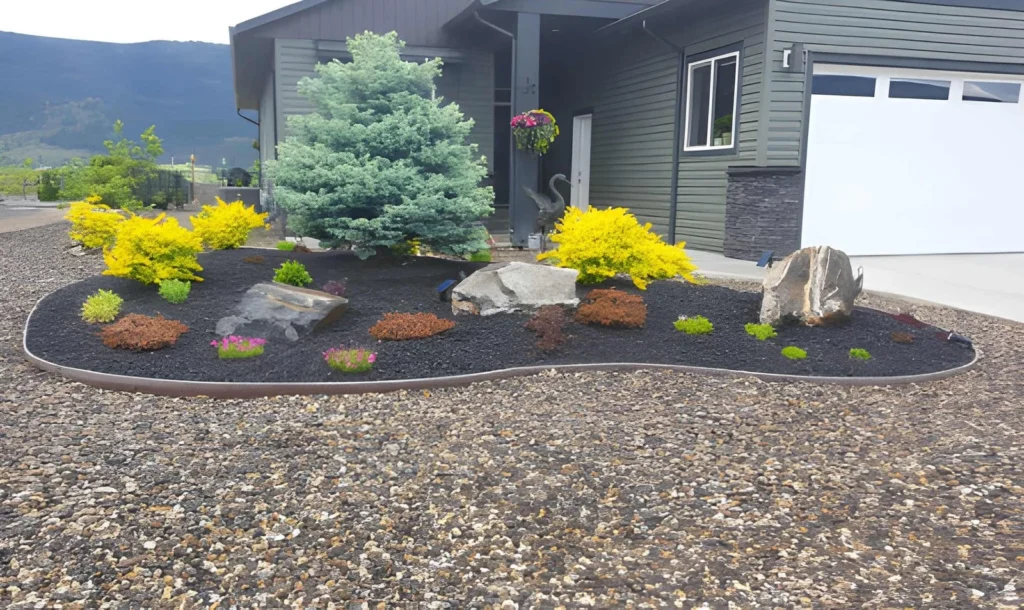
The choice between landscape rock vs. mulch also involves logistical considerations. As an employee-owned company, Select Sand & Gravel specializes in the reliable delivery of these bulk materials, but the installation process varies greatly between the two.
Weight and Hauling Requirements
Landscape rock is significantly heavier than mulch. A cubic yard of stone weighs approximately 2,800 pounds, whereas a cubic yard of mulch may only weigh 600 to 800 pounds. This means that delivering stone requires heavy-duty equipment like Tandem Dump Trucks or End-Dump Trailers. When planning your project, you must account for the physical labor involved in moving stone versus the relatively light work of spreading wood chips.
Weed Prevention and Site Preparation
To get the most out of landscape rock, a high-quality geotextile fabric must be installed first to prevent the stones from sinking into the dirt. Mulch does not strictly require this fabric, though it does need to be weeded more frequently as the wood provides a hospitable environment for seeds to take root.
Conclusion: Making the Right Choice for Your Texas or Oklahoma Landscape
Ultimately, the debate of landscape rock vs. mulch comes down to your specific goals for maintenance and aesthetics. If you prefer a natural, ever-changing garden that feeds your plants, mulch is the clear winner. However, if you desire a modern, clean look that stands the test of time and weather without annual upkeep, landscape rock is the superior investment.
Regardless of your choice, the team at Select Sand & Gravel is ready to provide the high-quality products and professional hauling you need to get the job done right.
[Explore our Decorative Landscape Rock and Soil products here] and request a quote for your next delivery today.

