How Much Rock to Fill a Gabion?
If you’re planning a retaining wall, landscape feature, or erosion control project, one of the key questions is: how much rock to fill a gabion? The answer depends on the size of the gabion basket, the type of rock used, and how tightly the stone is packed.
Gabions are wire mesh cages filled with durable stone, commonly used for both structural and decorative purposes. Choosing the right amount of material ensures your project is stable, cost-effective, and visually appealing.
Understanding Gabion Volume
To calculate how much rock you need, you first need to determine the volume of the gabion basket. Gabions are typically measured in cubic feet or cubic yards.
Basic Volume Formula:
To find the volume:
Length × Width × Height = cubic feet
Then divide by 27 to convert cubic feet into cubic yards.
For example, a gabion basket that measures 6 ft long × 3 ft wide × 3 ft high:
Volume = 54 cubic feet
54 ÷ 27 = 2 cubic yards of rock needed
This gives you a solid estimate for ordering materials such as gabion rock for your project.
Typical Rock Requirements for Gabions
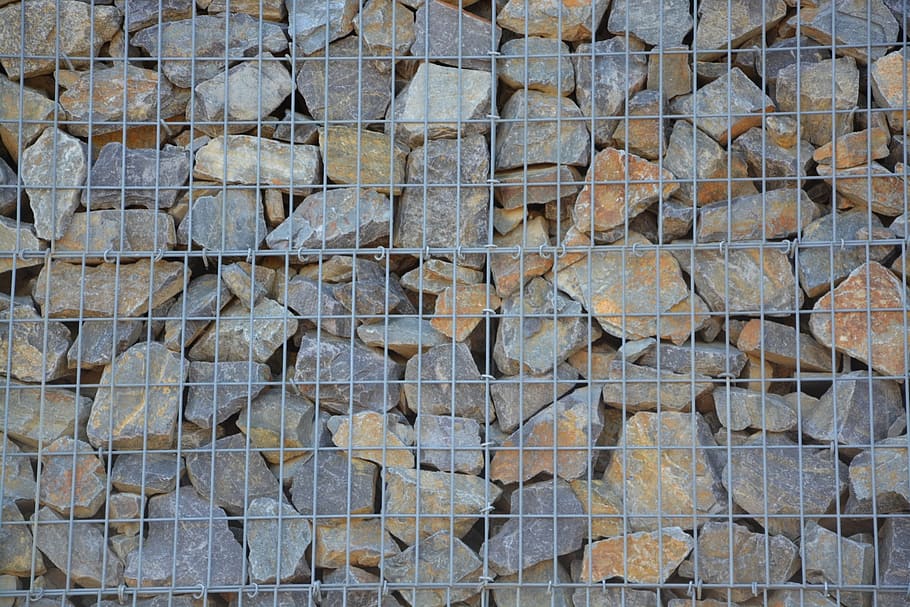
In most cases, one cubic yard of rock fills one cubic yard of gabion space. However, because of gaps between stones, you may need slightly more material depending on how the rock is placed.
General Estimation Guide
Standard estimate: 1 to 1.1 cubic yards of rock per cubic yard of gabion
Larger, angular rocks create more gaps, increasing material needs slightly
Tightly packed stone reduces wasted space
It’s always a good idea to order 5–10% extra material to account for irregular shapes and settling.
Choosing the Right Rock Size
The size and shape of the rock play a major role in how much material is required and how well the gabion performs.
Gabion rock is typically larger than standard gravel and should be big enough to stay inside the mesh openings. Angular stones are preferred because they lock together better, creating a stable structure.
Using high-quality materials from a trusted supplier like Select Sand & Gravel ensures your gabion structure is both durable and long-lasting. In some projects, gabions may also be combined with other materials from rock and gravel products to improve stability and design.
Factors That Affect How Much Rock You Need
Several real-world factors can influence your final material estimate.
1. Packing Method
If rocks are carefully placed by hand, they can fit more tightly, reducing the total volume needed. Dumping rock loosely into the cage may require more material due to air gaps.
2. Rock Shape
Angular rock creates more void space compared to rounded stones, meaning you may need slightly more material to fill the same basket.
3. Gabion Size and Design
Larger gabions or complex designs (such as stepped walls) may require additional rock for proper support and visual consistency.
Tips for Accurate Estimation
- Always measure your gabion dimensions carefully
- Convert measurements into cubic yards for ordering
- Add 5–10% extra rock to avoid shortages
- Choose the correct rock size for your gabion mesh
These simple steps can help prevent delays and ensure your project runs smoothly.
Final Thoughts
So, how much rock to fill a gabion? In most cases, you’ll need about one cubic yard of rock for every cubic yard of gabion space, with a little extra to account for gaps and settling. By calculating volume accurately and selecting the right materials, you can ensure your gabion structure is both strong and visually appealing.
Whether you’re building a retaining wall or a decorative landscape feature, sourcing quality stone from a reliable supplier like Select Sand & Gravel helps ensure long-term performance and a professional finish.

