Will Crushed Concrete Harden?
Crushed concrete is commonly used for driveways, road base, and construction projects, and many property owners ask whether it will harden over time. The simple answer is that crushed concrete does not harden like poured concrete, but it does compact and form a firm, stable surface when installed properly. This is why it is widely used as a base material in both residential and commercial construction.
Crushed concrete is made from recycled concrete that has already hardened in its original form. After being crushed into smaller pieces, it no longer reacts with water like fresh cement. Instead of hardening again, it becomes tightly packed and stable through compaction and pressure.
How Crushed Concrete Becomes Firm
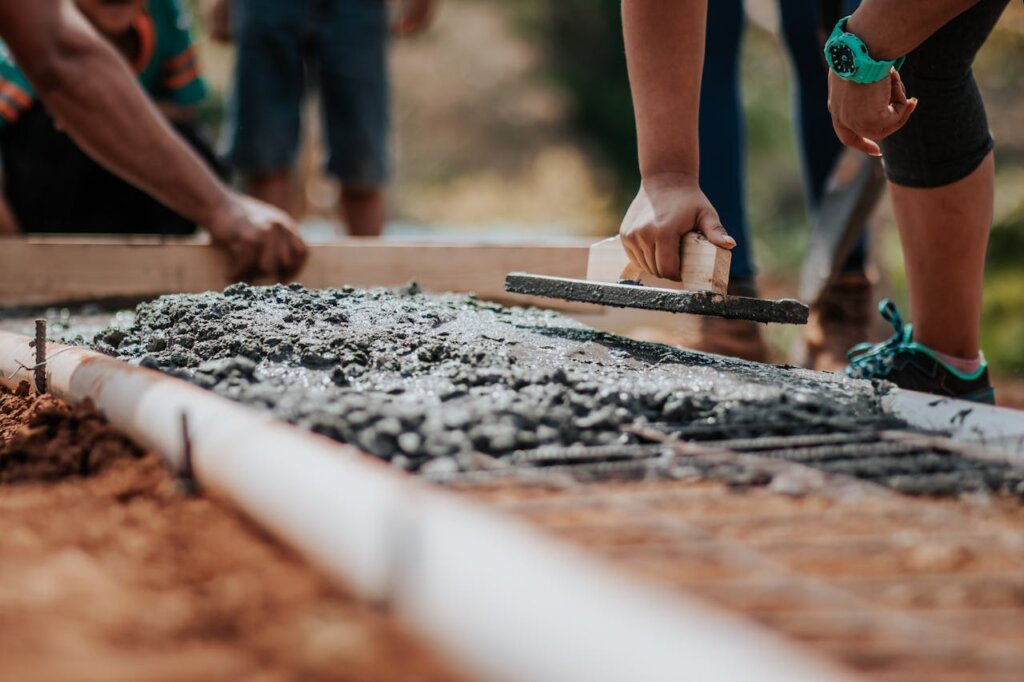
Crushed concrete forms a solid surface through compaction rather than chemical hardening. When the material is spread and compacted using rollers or heavy equipment, the angular pieces lock together and create a dense base. Over time, traffic and natural settling make the surface even firmer.
High-quality material like crushed concrete is often preferred because it compacts evenly and provides long-term durability for driveways, parking areas, and road base projects. The combination of pressure, moisture, and proper grading helps create a surface that feels almost as solid as traditional gravel or stone.
Does Crushed Concrete Turn Into Solid Concrete?
Crushed concrete will not turn back into solid concrete like a poured slab. However, small amounts of residual cement in the recycled material can sometimes react with moisture and create a slightly hardened surface layer. This effect is minor and should not be confused with true concrete hardening.
In most cases, the material remains compacted aggregate that allows some drainage while still providing structural support. This balance makes crushed concrete useful in projects where both stability and permeability are important.
Best Ways to Make Crushed Concrete Harder
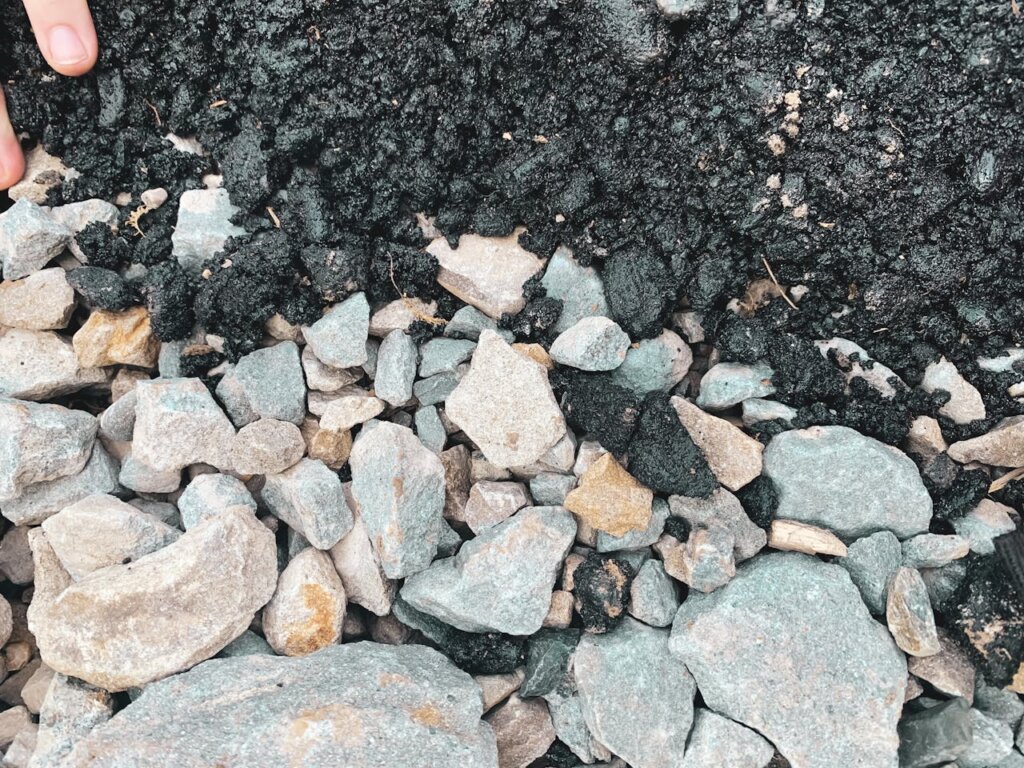
To achieve the most solid surface, proper installation is essential. The material should be spread in layers and compacted thoroughly to remove air pockets and improve density. Adding moisture during compaction can help the particles bind together more effectively.
Many contractors also combine crushed concrete with materials from rock and gravel products to improve surface strength and performance. Regular maintenance, such as occasional regrading or compaction, can further extend the life of the surface.
When Crushed Concrete Works Best
Crushed concrete performs best in areas where a firm, stable surface is needed without the cost of pouring new concrete. It is commonly used for driveways, road base, parking areas, and foundation support because it provides durability and cost efficiency.
However, it may not be ideal for projects that require a completely smooth or decorative surface. In those cases, asphalt, paving stone, or poured concrete may be more appropriate.
Final Thoughts
Crushed concrete does not harden like fresh concrete, but it compacts and becomes firm over time, creating a stable and durable surface. With proper installation and high-quality materials, it can provide long-lasting performance for driveways, construction bases, and landscaping projects.
Working with a trusted supplier ensures you receive properly processed crushed concrete that compacts well and delivers reliable results for your project.

