How to Install Decorative Rock Landscaping: A Complete Step-by-Step Guide
Decorative rock landscaping has become one of the most practical and visually appealing ways to upgrade outdoor spaces. Whether used for residential yards, commercial properties, pathways, or garden beds, decorative rock offers long-term durability, low maintenance, and a clean modern look.
If you are planning to learn how to install decorative rock landscaping, the process is not just about spreading stones, it involves proper planning, ground preparation, selecting the right materials, and ensuring long-term stability. With the right approach and quality materials from a trusted supplier like Select Sand & Gravel, your landscape project can achieve both functionality and aesthetic value.
Why Decorative Rock Landscaping Is a Smart Investment
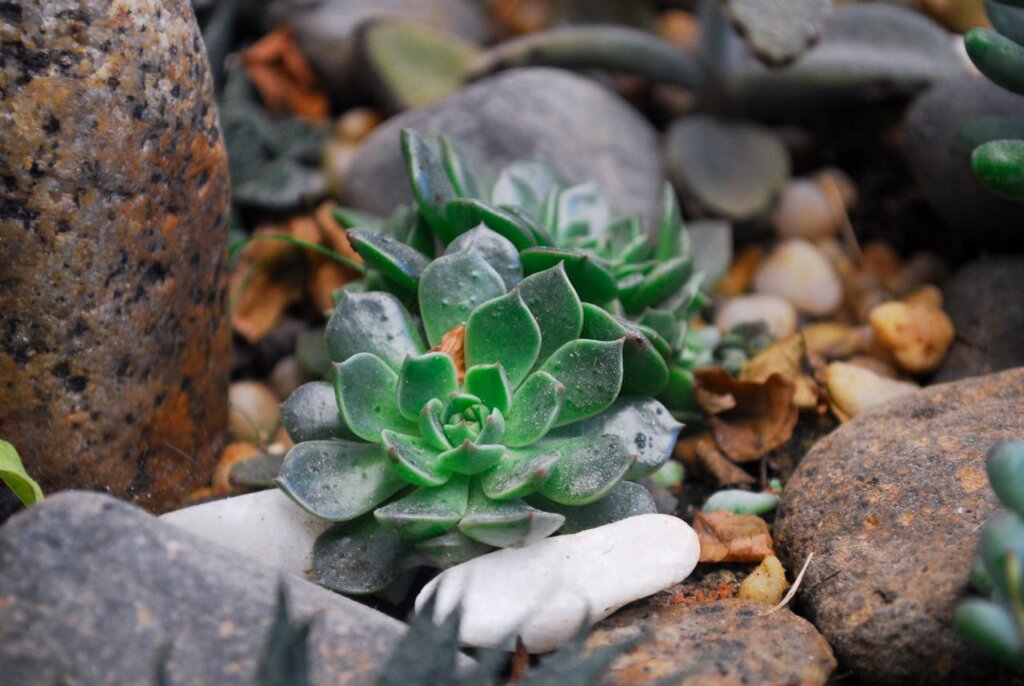
Decorative rock is widely used across Texas and Oklahoma because it performs well in different soil and weather conditions while maintaining its appearance for years. Unlike mulch or organic ground cover, it does not break down, fade quickly, or require frequent replacement.
One of the biggest advantages is its versatility. Materials such as river rock, landscape rock, and decomposed granite can be used for everything from decorative borders to full driveway installations. This makes decorative rock suitable for both residential landscaping and heavy-duty construction environments.
In addition to aesthetics, decorative rock improves drainage and helps reduce soil erosion. It also provides a stable ground cover that performs well in dry and high-traffic areas.
Step 1: Planning Your Decorative Rock Landscape
Every successful landscaping project begins with proper planning. Before purchasing materials, it is important to understand how the space will be used and what type of finish you want to achieve.
Start by evaluating the area—whether it is a garden bed, walkway, driveway border, or full yard redesign. Each application may require a different type of material. For example, smooth river rock is ideal for decorative beds, while compact materials like crushed limestone or road base flex base are better suited for structural applications.
You should also consider drainage patterns, sunlight exposure, and soil condition before finalizing your design. These factors influence both the type and quantity of decorative rock needed.
Step 2: Choosing the Right Decorative Rock Material
Selecting the correct material is one of the most important decisions in the process. Decorative rock comes in different sizes, textures, and colors, each serving a unique purpose.
For example, Texas river rock and Colorado river rock are commonly used for landscaping beds and water features due to their natural appearance. On the other hand, decomposed granite is widely used for pathways because it compacts well and creates a firm walking surface.
For more decorative or premium designs, options like Mexican beach pebble or black basalt can create a modern and high-end finish.
Understanding material function helps ensure that your landscaping not only looks good but also performs well over time.
Step 3: Preparing the Ground Properly
Ground preparation is one of the most critical stages in installing decorative rock landscaping. Without proper preparation, even high-quality materials may shift, sink, or allow weed growth over time.
The area should first be cleared of grass, weeds, and debris. After that, the soil is typically leveled and slightly excavated to create space for the rock layer. In most cases, a depth of 2–4 inches is sufficient depending on the application.
In high-use areas, a base layer such as granite base or select fill dirt may be added to improve stability and compaction before placing decorative rock.
Installing proper edging is also important, as it helps define the area and prevents rock from spreading into unwanted spaces.
Step 4: Installing Weed Barrier and Base Layer
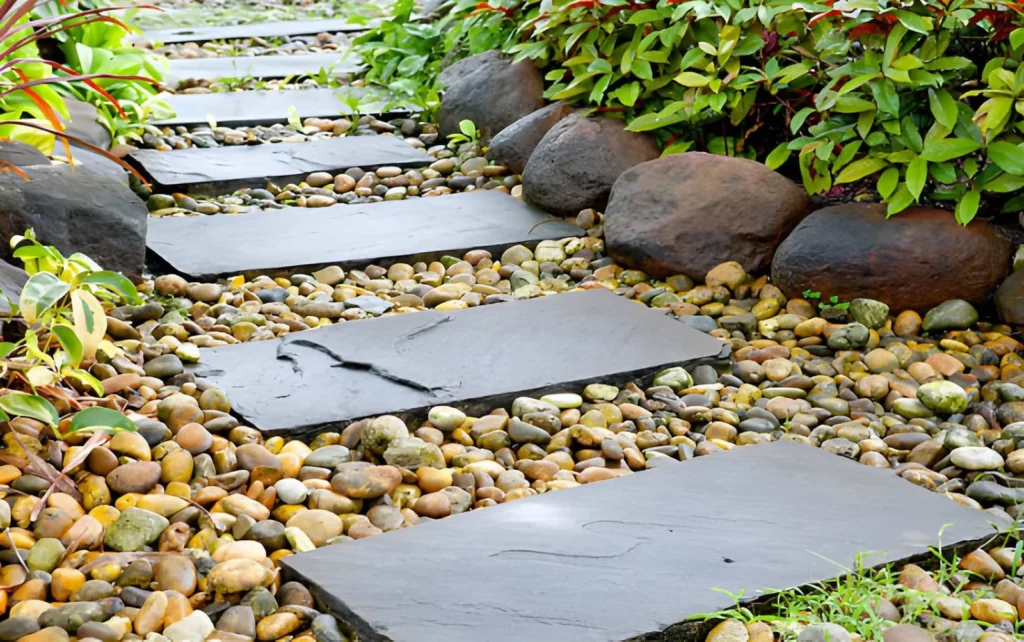
A weed barrier fabric is often installed after ground preparation to minimize weed growth and improve long-term maintenance. While it does not completely eliminate weeds, it significantly reduces their occurrence and makes maintenance easier.
In some cases, especially for driveways or heavily used paths, additional base materials like crushed concrete or stabilized decomposed granite are used to create a more solid foundation.
This step ensures that the decorative rock remains stable and does not sink into the soil over time.
Step 5: Spreading and Leveling the Decorative Rock
Once the base is ready, the decorative rock is delivered and spread across the prepared area. Bulk delivery is often recommended for larger projects, as it ensures consistency and reduces transportation costs.
The rock should be distributed evenly using basic landscaping tools, ensuring a uniform depth across the entire surface. Most decorative rock applications require a depth of approximately 2–3 inches for proper coverage.
During this stage, attention should be given to edges, corners, and transitions between different landscape sections to maintain a clean, professional appearance.
Step 5: Spreading and Leveling the Decorative Rock
After installation, the surface should be inspected and adjusted to ensure even distribution. Any thin areas should be filled, and excess rock should be removed from borders or walkways.
One of the key benefits of decorative rock landscaping is its low maintenance requirement. Unlike organic materials, it does not decompose. However, occasional cleaning and minor adjustments help maintain its appearance over time.
Routine maintenance typically includes removing debris, checking edging stability, and occasionally rinsing dust or dirt buildup.
Why Material Quality Matters in Decorative Rock Landscaping
The success of any decorative rock project depends heavily on the quality of materials used. Poor-quality rock can lead to uneven surfaces, drainage issues, and frequent maintenance problems.
Working with a reliable supplier like Select Sand & Gravel ensures consistent grading, proper sizing, and dependable delivery across Texas and Oklahoma. Whether the project requires sand and gravel delivery in Dallas, bulk topsoil in Austin, or large-scale rock supply, choosing a trusted provider significantly improves project outcomes.
Final Thoughts
Learning how to install decorative rock landscaping is not just about placing stones—it is about proper planning, correct material selection, and precise installation. When done correctly, decorative rock can completely transform outdoor spaces while reducing long-term maintenance costs.
With the right materials from Select Sand & Gravel and proper installation techniques, homeowners and contractors can achieve durable, attractive, and functional landscapes that stand the test of time.

