How Much Does a Yard of Topsoil Weigh? A Complete Guide to Soil Density
Whether you are grading a new lawn in Dallas, building raised garden beds in Oklahoma City, or preparing a commercial landscape in Houston, the success of your project depends on accurate material estimates. One of the most common questions we receive at Select Sand & Gravel is: “How much does a yard of topsoil weigh?”
Understanding the weight of topsoil is about more than just numbers—it’s about logistics, cost-efficiency, and ensuring your hauling equipment can handle the load. Because soil density varies significantly based on composition and moisture, a “simple” answer can often lead to overloaded trucks or underfunded budgets.
In this guide, we’ll break down exactly what goes into the weight of a cubic yard of topsoil and how to plan your next delivery with confidence.
The Baseline: How Much Does a Yard of Topsoil Weigh?
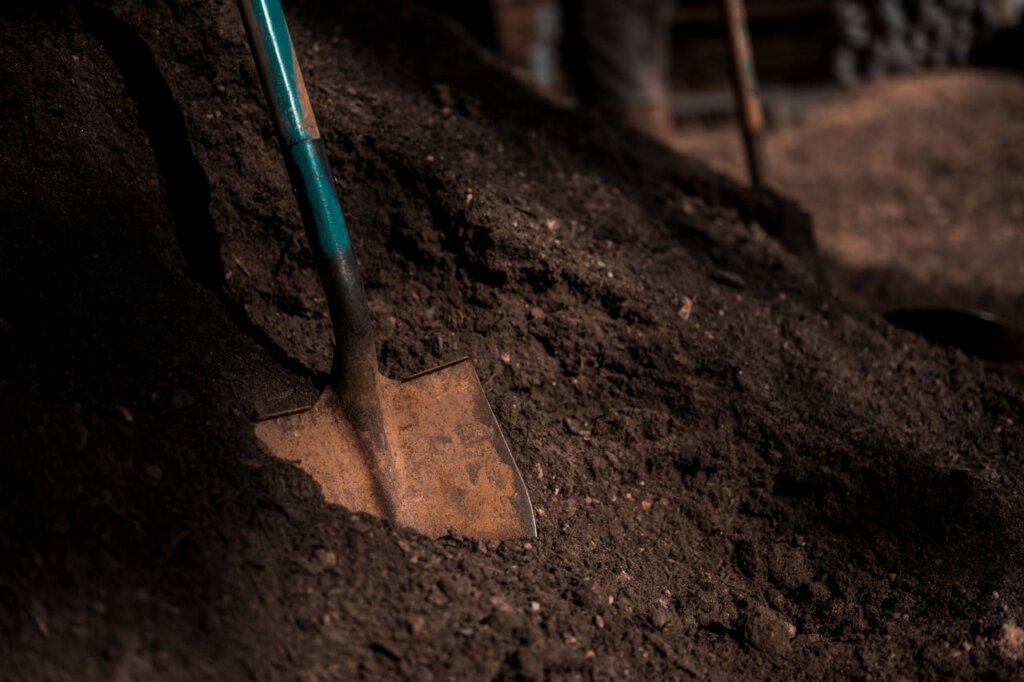
On average, one cubic yard of topsoil weighs between 2,100 and 2,600 pounds. For general project planning, most industry professionals use a benchmark of 2,300 pounds (approximately 1.15 tons) per cubic yard. However, topsoil is a biological material, not a manufactured one. Unlike a ton of steel, a yard of dirt can change weight overnight depending on the weather or how it was processed.
Quick Weight Reference Table
Unit of Measure | Approximate Weight (Dry) | Approximate Weight (Wet) |
1 Cubic Foot | 80 – 90 lbs | 100 – 110 lbs |
1 Cubic Yard | 2,100 – 2,300 lbs | 2,600 – 3,000+ lbs |
5-Gallon Bucket | 40 – 50 lbs | 60+ lbs |
Key Factors Influencing Topsoil Weight
If you are ordering bulk topsoil for a site in San Antonio or Austin, you need to account for specific variables that affect density. Not all “dirt” is created equal.
1. Moisture Content: The Biggest Variable
Water is the primary reason topsoil weight fluctuates. Topsoil is naturally porous, designed to hold water for plant health. When topsoil is saturated after a heavy Texas rain, the water fills the air pockets between soil particles. This can increase the weight of a single cubic yard by 500 pounds or more.
2. Soil Composition and Organic Matter
Topsoil is the uppermost layer of soil, usually the top 5 to 12 inches. Its weight depends on what it’s made of:
- Sandy Topsoil: Larger particles and more "void" space usually make it slightly lighter than heavy clay, but it drains faster.
- Clay-Heavy Soil: Found frequently in parts of North Texas, clay is incredibly dense and holds onto moisture, making it much heavier per yard.
- Screened vs. Unscreened: Screened topsoil has been processed to remove large rocks, roots, and debris. This creates a more uniform (and often slightly lighter) product compared to "raw" fill dirt.
3. Debris and Rock Content
If the topsoil contains a high percentage of small stones or gravel, the weight will increase. Conversely, soil with high organic matter (compost or peat) will be significantly lighter and fluffier.
Topsoil vs. Fill Dirt: Understanding the Difference
Many customers use the terms “topsoil” and “fill dirt” interchangeably, but they serve different purposes and carry different weights.
Topsoil for Growth
Topsoil is rich in nutrients and organic matter. It is meant for the “finish” layer of a landscape where grass, flowers, or crops will grow. Because of the organic matter, it is generally less dense than deep-earth fill.
Fill Dirt for Stability
Fill dirt is taken from deeper in the earth. It lacks organic matter (which would decompose and cause settling) and is used to fill holes or raise elevations. Because it is mostly mineral-based (clay and sand), fill dirt is usually heavier and more compact than topsoil.
Logistics: Can Your Vehicle Handle the Load?
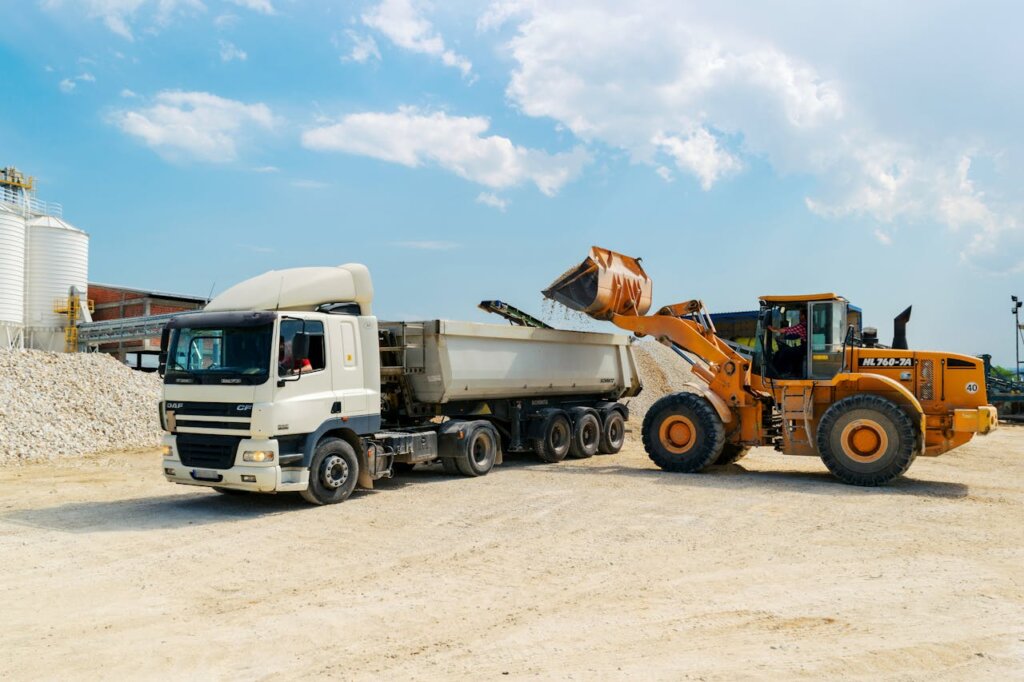
Before you head to a local yard to pick up a load, you must consider the payload capacity of your vehicle. Overloading a truck is not only illegal in Oklahoma and Texas but also incredibly dangerous for your suspension and braking systems.
Half-Ton Pickups (F-150, RAM 1500)
Despite the “half-ton” nickname, most modern light-duty trucks have a payload capacity of 1,500 to 2,200 lbs. Since a yard of topsoil starts at 2,100 lbs (dry), most standard pickups can only safely carry about 1/2 to 3/4 of a yard of topsoil at a time.
Professional Delivery with Select Sand & Gravel
For any project requiring more than a couple of yards, professional delivery is the only logical choice. At Select Sand & Gravel, we utilize high-capacity equipment to ensure your project stays on schedule:
- Tandem Dump Trucks: Great for residential deliveries.
- End-Dump Trailers: Perfect for large-scale construction site hauling and commercial landscaping.
- Specialized Hauling: We provide haul-off services for dirt spoils and construction debris, keeping your site clean and organized.
How to Calculate the Topsoil Tonnage You Need
To ensure you order the right amount from our team, follow this calculation:
- Measure the Area: Length (ft) x Width (ft) = Total Square Feet.
- Choose Your Depth: For new lawns, 4 to 6 inches is recommended. (6 inches = 0.5 feet).
- Calculate Cubic Feet: Square Feet x Depth (ft) = Total Cubic Feet.
- Convert to Cubic Yards: Total Cubic Feet / 27 = Total Cubic Yards.
- Convert to Tons: Multiply your Cubic Yards by 1.2 (to account for average moisture).
Pro Tip: Always order about 10% more than your calculation. Topsoil will settle after the first few waterings or rains, and you don’t want to be left an inch short of your grade.
Why Trust Select Sand & Gravel?
Since the early 1980s, Select Sand & Gravel has built a reputation for reliability across Texas and Oklahoma. As an employee-owned company and part of the Teamshares network, our team members are personally invested in the success of your project.
We understand that when you order topsoil for a project in Midland/Odessa or a road base for a driveway in Fort Worth, you are looking for more than a product—you are looking for the confidence that the material will arrive when needed and as promised.
Beyond standard topsoil, we offer custom orders for:
- Decomposed Granite
- Cement Treated Sand
- Decorative Landscape Rock
- Specialized Soils and Aggregates
Conclusion: Get the High-Quality Soil Your Project Deserves
Understanding how much a yard of topsoil weighs is the secret to a smooth project. By accounting for moisture and density, you prevent the headaches of multiple trips or under-ordering. Whether you’re a homeowner or a commercial contractor, getting the right weight and volume the first time saves you both time and money.
Ready to start your next landscaping or construction project? Let the employee-owners at Select Sand & Gravel handle your material needs with professional hauling and premium products.
[Click here to explore our Topsoil and Fill Dirt products] and request your quote today for delivery in Dallas, Fort Worth, Austin, San Antonio, Houston, or Oklahoma City.

